Democracy 21 and the Democracy 21 Education Fund work to strengthen the integrity and fairness of our democracy and to increase the role of citizens in our political process. The organization brings unique policy and litigation experience and expertise to campaign finance and democracy issues, and to related government integrity, transparency and accountability issues. Since we began in 1997, the organization has played a leading national role in the efforts to address the nation's campaign finance problems through public education, litigation, and other efforts. D21 President Fred Wertheimer has played a key role in every major campaign finance reform and ethics battle in Congress since the post-Watergate reforms in the 1970s and has participated as a lawyer in every major Supreme Court campaign finance case during this period. Democracy 21 manages a coalition of reform groups that meet regularly to develop approaches and strategies for promoting democracy reforms.
Democracy 21
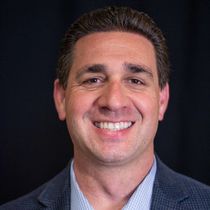
David Meyers is the Executive Editor of The Fulcrum. Before launching The Fulcrum, David spent more than two decades at CQ Roll Call, a leading publisher of political news and information. During his time there, David served as managing editor of Roll Call (“the newspaper of Capitol Hill”) and as managing editor of member information and research, which included co-editing the definitive biographical directory of Congress, “Politics in America.” David went on to lead all of CQ Roll Call’s congressional research teams as vice president of research and content development before shifting to a revenue and strategy role as vice president of business operations for Roll Call, working with the advertising and editorial teams to develop new revenue models and expand the company’s events business. David lives in Fairfax, Va., with his wife, two daughters and rottweiler. A graduate of Tufts University, David is a past president of the Tufts University Alumni Association. He is also a past president of the Washington Press Club Foundation, which works to celebrate and advance the role of women and minorities in the media. David currently serves on the board of directors for Temple B’nai Shalom in Fairfax Station.