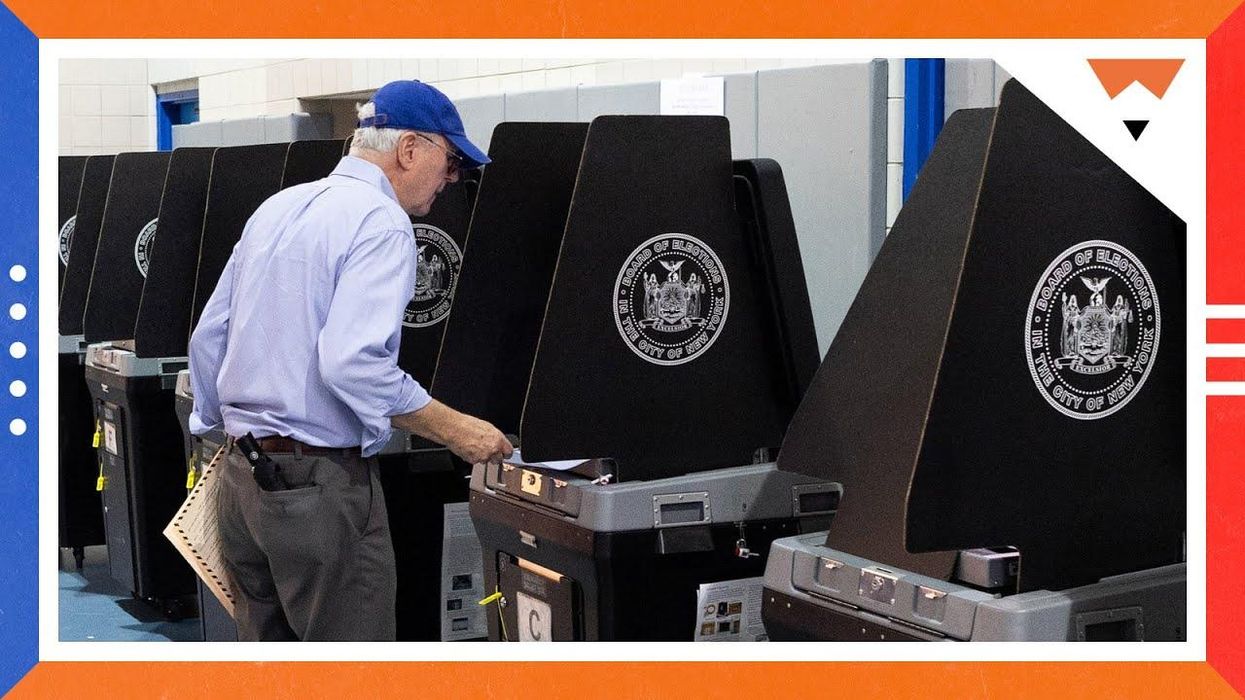

In his new book "Aftermath: The Last Days of the Baby Boom and the Future of Power in America," Washington Post national columnist Philip Bump argues that many of the fissures that the country is facing today — politically, economically, culturally — have to do with the Baby Boomers getting old. In this installment of the FiveThirtyEight Politics podcast, Galen Druke speaks with Bump about what he found.
Search
Top Stories


Read More

Recommended






Building Community Power from Rocinha to Chicago's South and West Sides
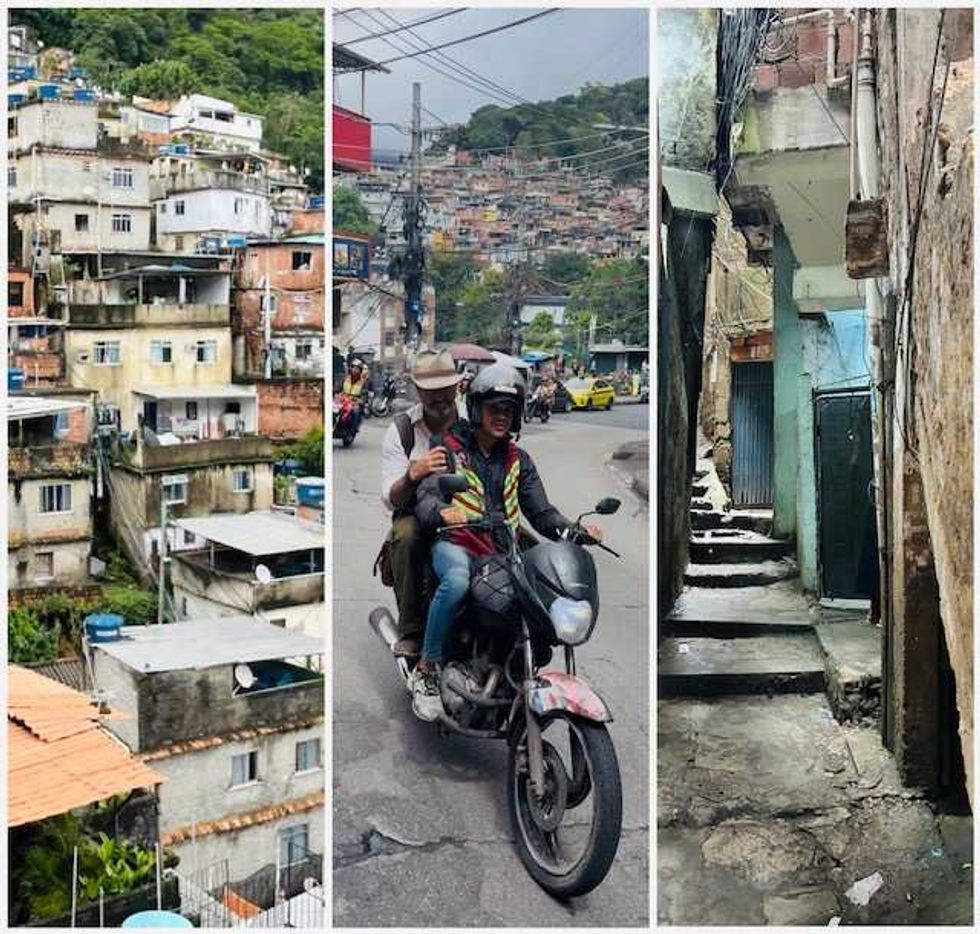 Scenes from Favela Rocinha, Brazil - (R-L) Rows of brick homes, Hugo Balta on a motorcycle taxi, and steep, winding roadsHugo Balta
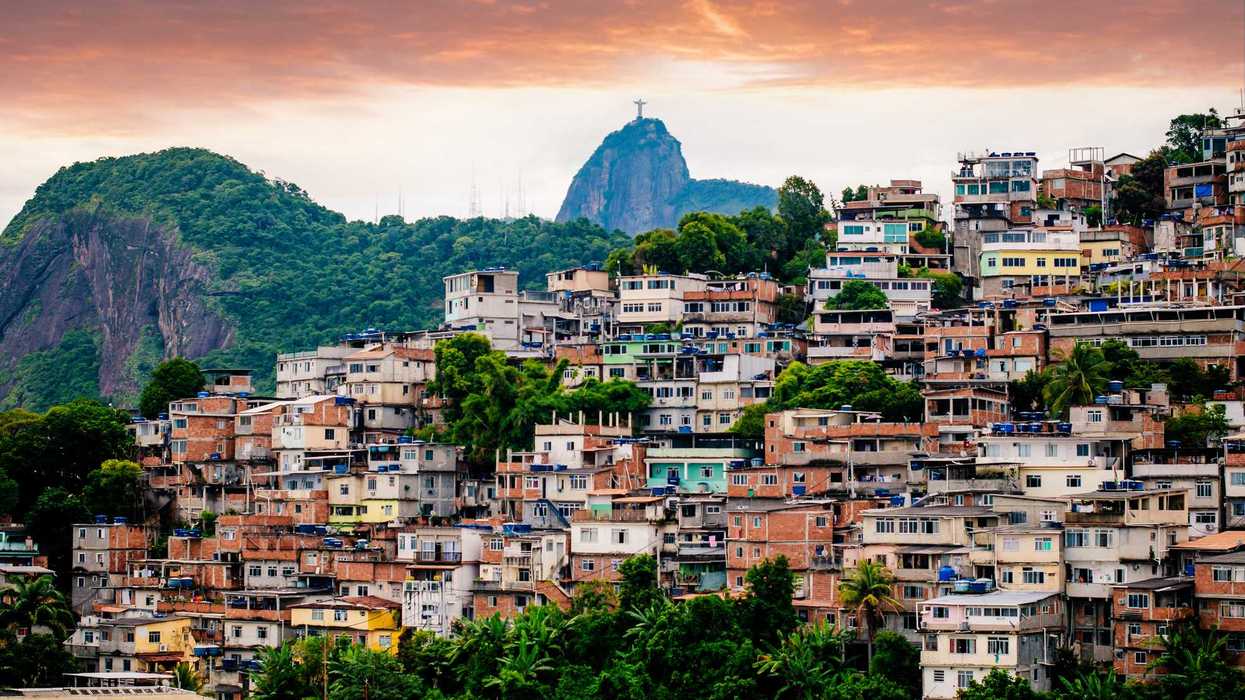
International media often flatten this into a narrative of despair. As my guide Max, who preferred not to give his last name, points out, "From the outside...the TV wants to show bad things about the favela because that's what gives the views. But when you come right here inside... you can see with your eyes the reality." Indeed, inside Rocinha, the reality is far more sophisticated: residents are not waiting for democracy to arrive; they are constructing it themselves. As Max emphasizes, "We are happy people... we are people who help one another."
This relentless struggle resonates deeply with marginalized communities in the United States, finding its sharpest mirror on Chicago's South and West Sides, where I live. In both Rocinha and Chicago’s historic Black and Latino neighborhoods, voters are routinely treated by major political parties as monolithic blocs. They court them aggressively every few years with empty promises, only to systematically forget them once the ballots are counted. This cycle of seasonal exploitation breeds a deep, justifiable apathy—a sentiment felt acutely across the South and West sides as the fast-approaching midterms loom just weeks away.
As a Chicago Votes grassroots organizer observed in a City Bureau report regarding this exact cycle: "We build up incredible amounts of community power before each election through base-building, but after every election, we drop it – all of it. And then we have to start from scratch... What would it look like to actually build political power within our neighborhoods?"
Yet, grassroots organizers in both cities refuse to succumb to cynicism. To break this pattern, Rocinha’s community newspaper, Fala Roça, actively profiles young, Black, favela-born candidates and maintains a local civic directory to transform an ignored voting base into an organized political force. This work directly mirrors the hyper-local voter guides and grassroots infrastructure built by Black and Latino organizers on Chicago's South and West sides. Activists in both hemispheres recognize that true political literacy cannot be top-down; it must be community-led to effectively resist voter suppression, counter institutional neglect, and turn localized frustration into structural power.
The shared battlefront extends heavily into the digital landscape. Research by Data Favela shows that nearly 9 in 10 favela residents have fallen victim to fake news, which spreads rapidly through encrypted apps with immediate consequences for local safety and elections. In Rocinha, youth collectives have stepped in as fact-checkers of last resort. This dynamic is instantly recognizable to immigrant and minority communities across the U.S., particularly in Chicago, where targeted Spanish-language and localized disinformation campaigns weaponize hyper-local anxieties in spaces that mainstream, corporate fact-checking completely fails to reach.
Organizing across cultural lines remains critical to building a united front against these tactics. As Artemio Arreola, an organizer with the Illinois Coalition for Immigrant and Refugee Rights (ICIRR), reflected in the Chicago Tribune, true solidarity comes from helping communities "see that our struggles are connected."
Perhaps the most profound connection lies in how both communities define infrastructure. Civic engagement in Rocinha is a continuous, monthly practice led by collectives like Rocinha Sem Fronteiras. When the state tried to impose a flashy, tourist-centric cable car project that would have displaced hundreds of local families, residents organized, held assemblies, and successfully demanded investments in basic water and sanitation instead. This victory echoes the decades-long environmental justice battles fought on Chicago's South and West sides. For generations, these neighborhoods have mobilized against the state and powerful corporations to block toxic industrial zoning, predatory logistical hubs, or destructive highway projects that threaten to displace families and pollute the air.
Highlighting this shifting battlefront against environmental neglect, Edith Tovar of the Little Village Environmental Justice Organization (LVEJO) noted in a South Side Weekly profile that "there's definitely been a move of people realizing and noticing how the pollution has shifted from coal ash to diesel."
In both Rio and Chicago, the core demand remains identical: low-income communities are forcing authorities to prioritize human dignity—housing, clean air, and clean water—over top-down, profit-driven development. Ballot-box interventions remain essential to this self-determination. For local residents, equal representation is fundamental to their civic identity. As Max frames it: "I believe democracy, it's you choose who you want, and it doesn't matter if you live in the city, if you live in the favela, you can choose [who] you prefer." The lesson binding Rocinha to Chicago is clear: when the state neglects or dismisses a community, the answer is relentless, localized organization. Through self-mapping, hyper-local truth-telling, and community assemblies, these neighborhoods are redefining democracy as a daily practice rather than a periodic event. Their shared message is a universal demand for full citizenship: a ballot is not just a vote—it is an organized assertion of power from the ground up.
Hugo Balta traveled through Brazil, reporting on how the country's efforts to strengthen democracy, expand civic participation, and address environmental challenges may hold valuable insights for the United States.
Balta is executive editor of The Fulcrum, publisher of the Latino News Network, and twice president of the National Association of Hispanic Journalists. He is an accredited Solutions Journalism and Complicating the Narratives trainer with the Solutions Journalism Network.