



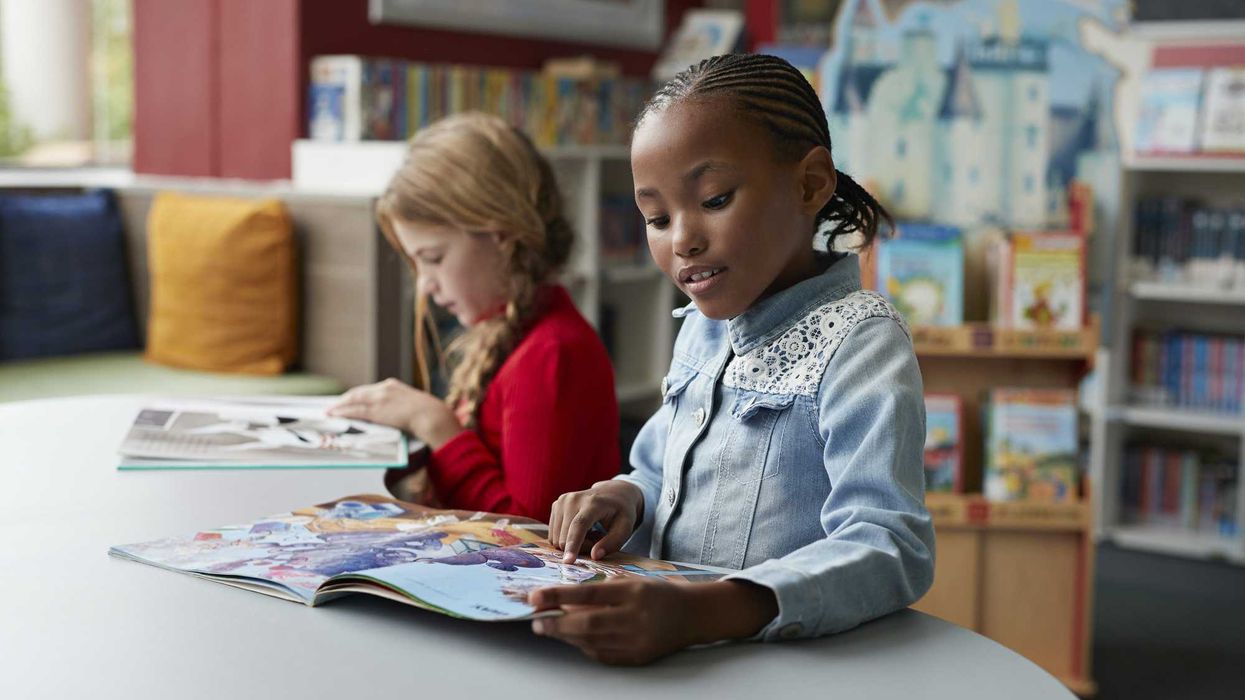

When my son, Jonathan, was born, one of the first children’s books I bought was "So Much" by Trish Cooke. I was captivated by its joyful depiction of a Black family loving their baby boy. I read it to him often, wanting him to know that he was deeply loved, seen, and valued. In an era when politicians are banning books, sanitizing curricula, and policing the teaching of Black history, the idea of affirming Black children’s identities is miscast as divisive and wrong. Forty-two states have proposed or passed legislation restricting how race and history can be taught, including Black history. PEN America reported that nearly 16,000 books (many featuring Black stories) were banned from schools within the last three years across 43 states. These prohibitive policies and bans are presented as protecting the ‘feelings’ of White children, while at the same time ignoring and invalidating the feelings of Black children who live daily with the pain of erasure, distortion, and disregard in schools.
When I hear and see the ongoing devaluation of Black children in schools and public life, I, and other Black parents, recognize this pain firsthand. For instance, recently, my teenage granddaughter, Jaliyah, texted me, asking to visit the National Museum of African American History and Culture in Washington, D.C., because she had heard that the President planned to close it. For what felt like the millionth time, my heart broke with the understanding that too many people fail to rally on behalf of Black children. Jaliyah’s question revealed what so many Black children intuitively understand—that their histories, their feelings, and their futures are often treated as expendable.
To be clear, White children have endless opportunities to make them feel, not only good, but great in school. More than 80 percent of U.S. public school teachers are White. Curricula in K-12 schools center White experiences, and most children’s books still feature White primary characters or “white-facing” animals as proxies for whiteness. Combined, this imbalance sends a powerful message about whose lives matter and whose do not.
While I unequivocally do not advocate book banning and prefer to teach students criticality instead, if anything needs to be banned, it is the endemic whitified curriculum, which teaches White children that they are superior and worthy of protection while other children are not, as noted by Louise Derman-Sparks and Patricia Ramsey in their book, "What If All the Kids are White?" Following the current protocols, White children learn inaccurate, incomplete, and distorted information about people of the global majority as well as the power codes and benefits of racism early on—without even trying. At the same time, children of color are also socialized to devalue Blackness since they see few accurate, affirming portrayals of Black people in classrooms, textbooks, or media.
I often ask educators how they would feel if every teacher they ever had in K-12 schools were Black; if most texts they read centered Black life; and if nearly every image in schoolbooks reflected only Black families. Most respond with disbelief, asking, “You mean for all 12 years?” Yet this is precisely what Black children experience every day in reverse.
Advocates of curriculum restrictions and book bans conveniently overlook how schools socialize all children’s understandings of Black people. As poignantly observed nearly a century ago by Carter G. Woodson, father of Black History Month, “There would be no lynching if it did not start in the schoolroom.” Indeed, schools remain powerful socializers of what children come to believe about Black people’s humanity and place in societal hierarchy.
In schools, students inadvertently learn that it is okay to treat Black children violently. Research by my colleagues and I has demonstrated that Black children encounter multiple forms of violence in schools, such as physical, symbolic, linguistic, curricula and pedagogical, and systemic. While the world is obsessing about White children feeling guilty in schools, Black children’s bodies are being disrespected and mishandled. Their cultural dress, names, hairstyles, and language are being attacked. They are subjected to invisibility in the curriculum and/or inaccurate, distorted, diluted, incomplete, and sanitized versions of Black history. To add insult to injury, Black children are disproportionally represented in Special Education, gifted education, suspensions, and expulsions—and subjected to unfair testing practices. As explained by Bettina Love, these endemic violent acts destroy Black children’s spirits.
Notably, in contrast to unenforced and unfunded mandates to teach Black history (e.g., the 1984 Education Improvement Act in South Carolina), the movement to prohibit Black history and literature has moved at lightning speed, even though banning Black history is not necessary since so little is taught in schools anyway.
Moving forward, it is essential that educators advocate for the teaching of Black history and understand that silence is complicity. To remain silent as school boards and lawmakers erase Black history is to become part of the harm—the violence. While the current political landscape leads many educators to conclude that they have no agency, concrete steps can be taken.
·Incorporate accurate, age-appropriate lessons about Black history year-round—not just in February.
·Audit classroom book collections, libraries, and curricula to ensure they reflect Black history and culture.
·Network with other educators and request professional development, resources, and protection from administrators and policymakers to teach Black history.
Black families will continue to teach Black history to our Jonathan’s and Jaliyah’s at home and in our communities. Since our children spend much of their time in schools, we insist that educators do too.
Gloria Swindler Boutte, PhD, is a Distinguished Professor at the University of South Carolina, and a Public Voices Fellow of the OpEd Project in Partnership with the National Black Child Development Institute.








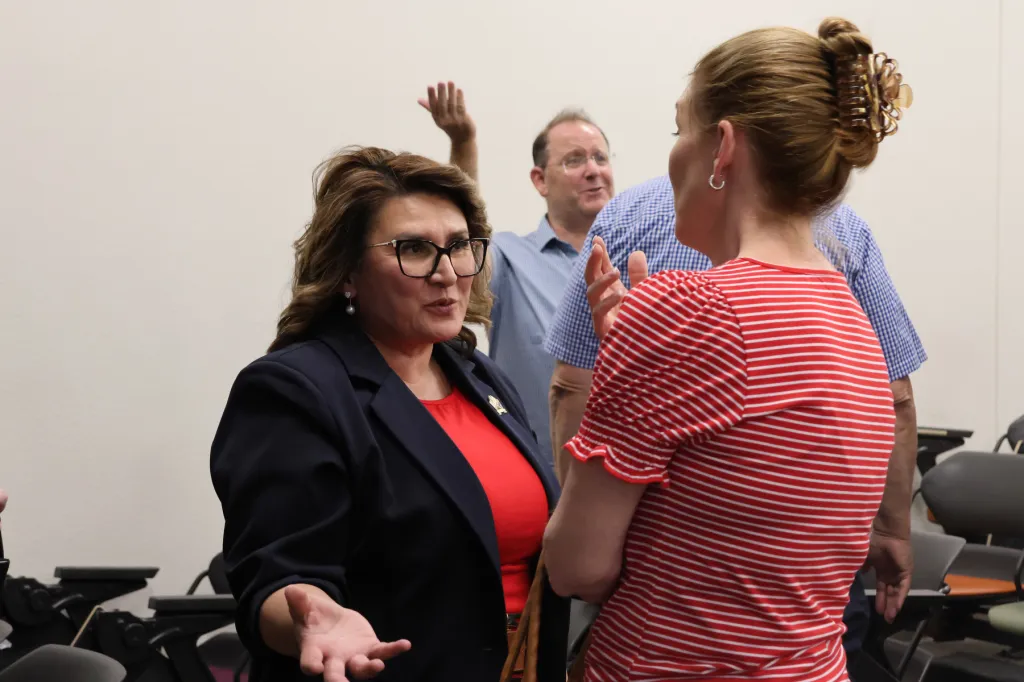 Congressional candidate JoAnna Mendoza has leaned into her working class background as she runs for a seat in the U.S. House to represent Arizona’s 6th congressional district. (Courtesy JoAnna Mendoza campaign)
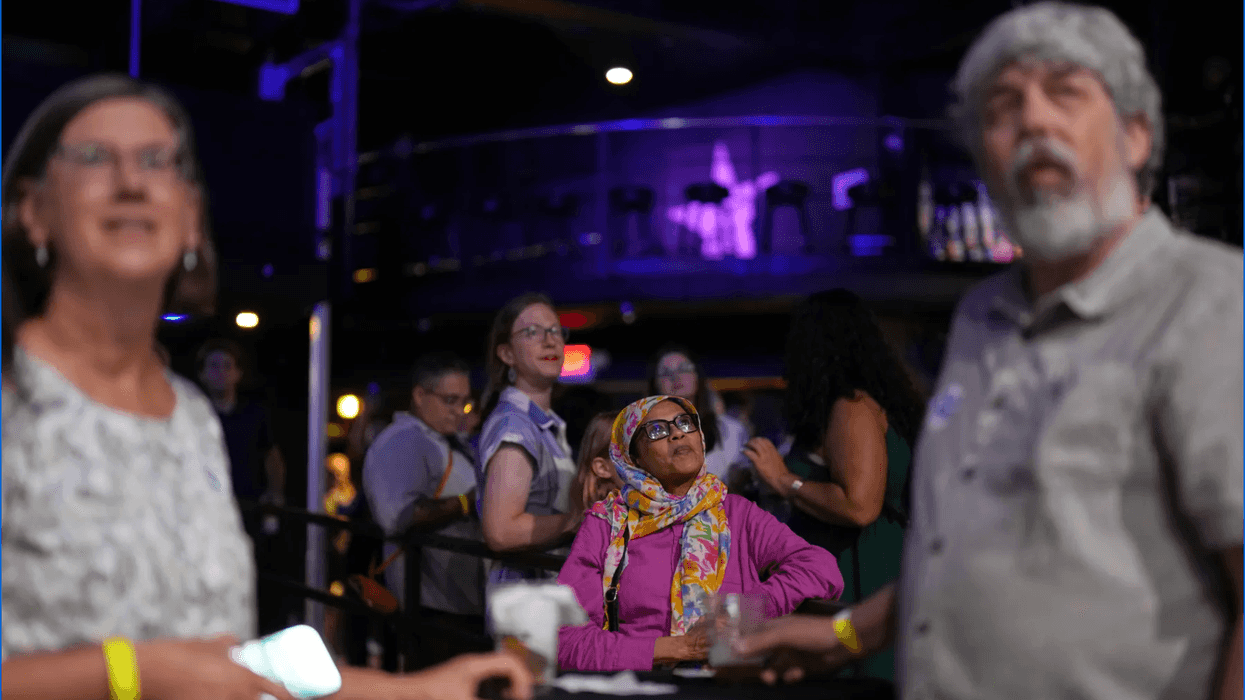
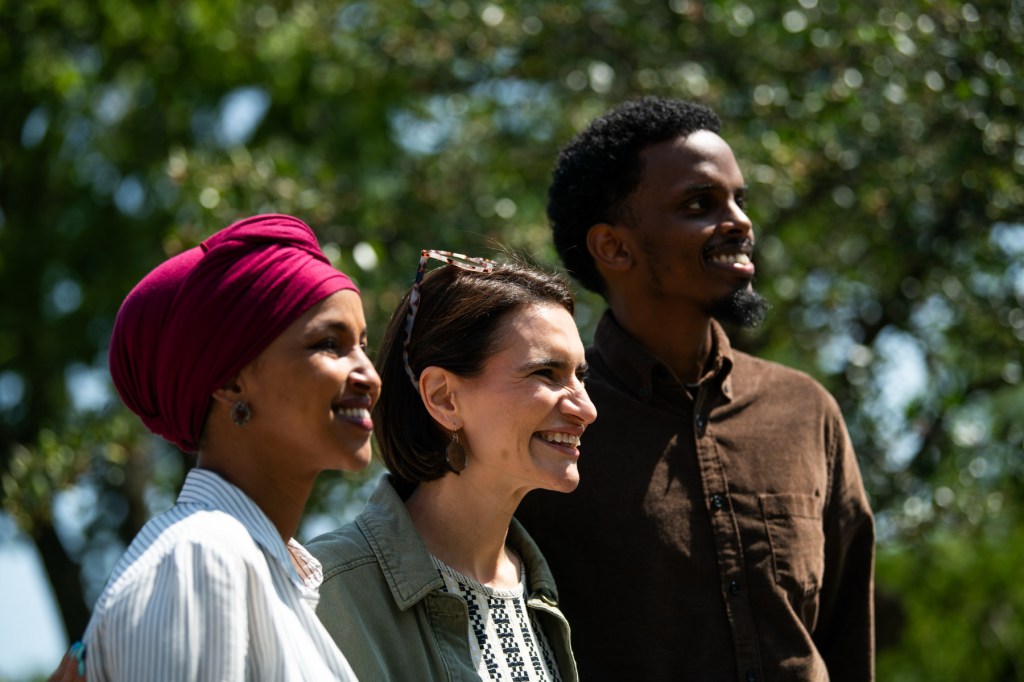 Politicians who come from working class backgrounds, like Minnesota Lt. Gov. Peggy Flanagan (center) and Minnesota state Sen. Omar Fateh (right), are resonating with voters during a particularly challenging economic period. (Stephen Maturen/Getty Images)
The President Invited Iran to Bomb My Home