

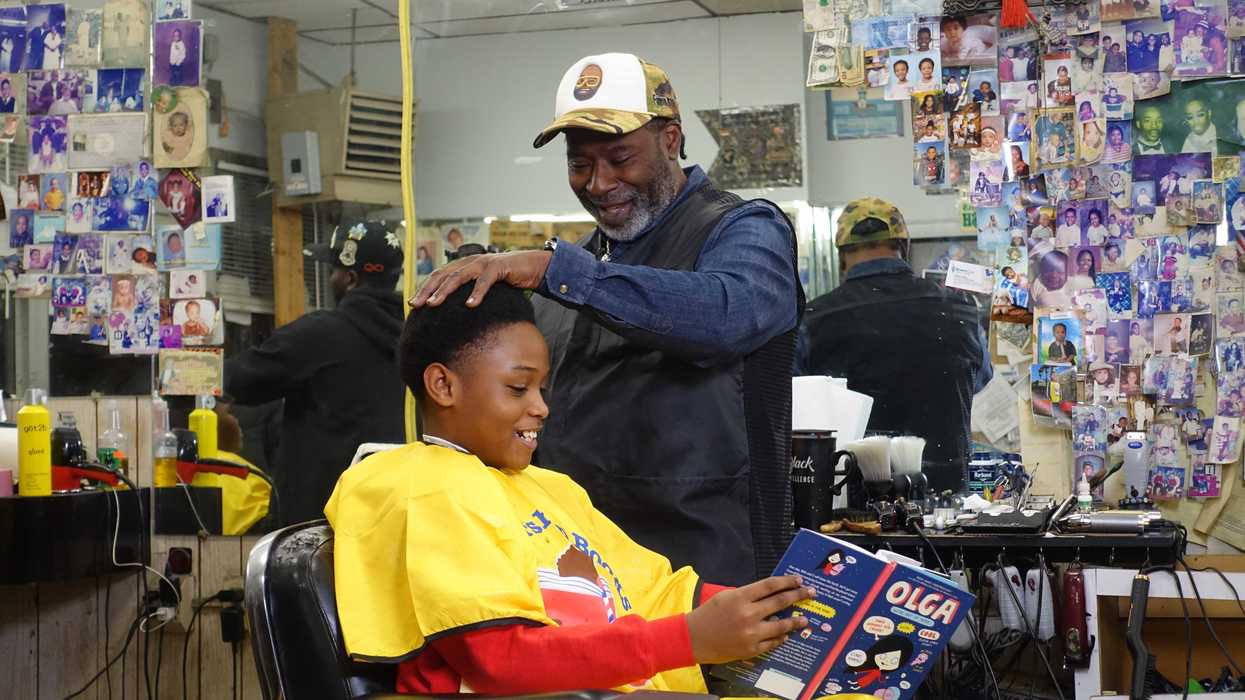

Barbershop Books, an organization whose award‑winning literacy programs celebrate, amplify, and affirm the interests of Black boys while inspiring kids to read for fun, has spent more than a decade transforming everyday community spaces into joyful reading hubs. That mission was on full display this Martin Luther King Jr. Day, when the organization partnered with a neighborhood barbershop in the Bronx—Flava In Ya Hair—to offer free haircuts and free children’s books to local families.
As families examined stacks of Dog Man, Fly Guy, Captain Underpants, and Diary of a Wimpy Kid, barbershop owner Patrick shared that growing up, reading was associated with negative school experiences and used as a punishment at home. “Go in your room and read!” he said.
As a father of young children, Patrick now sees reading differently. He pointed out how beat up Pete the Cat looked. “I had never heard of the book,” he said, “but all the kids love it. You can tell because it’s all torn up.”
This barbershop owner tells a very different story about Black boys and reading than the narrative communicated by national test scores. His experience also highlights what America gets wrong in supporting Black boys on their reading journeys.
When people learn about Barbershop Books’ work creating child-friendly reading spaces in barbershops in New York City, Philadelphia, and other cities, they inevitably ask the same question: How do you choose your books? They often lean in, as if waiting for top-secret information, but my answer is always the same simple response. We ask Black boys what they like to read. We buy the books they recommend. And then we distribute those books to our national network of barbershops.
For many adults, this sounds obvious. But in practice, it’s rare. At a time when schools and families have more data about children than ever before, one thing is often missing from book lists curated for Black boys: direct input from the boys themselves. When you search “book lists for Black boys” online, you’ll rarely see titles like Pete the Cat, Dog Man, or Captain Underpants.
When curation starts and stops with parts of Black boys that adults can see, such as their skin color, books can become small windows and circus mirrors that distort how boys see themselves and understand the world around them. Barbershop Books serves many boys who enjoy reading but who don’t consider themselves readers because the content that most interests them isn’t affirmed by the adults in their lives. My only ask is that if a Black boy asks for a specific book, give him that specific book. If he can’t read it yet, read it to him. And if there’s another book you think he might like, read him that book too.
Carefully curated titles that center and celebrate Black boys and Black history are essential. At a time when children’s access to books is increasingly shaped by adult fear and politics, we must continue to lift up Black authors and illustrators who tell stories that recognize the full humanity of Black boys, their diverse lived experiences, and the history that shapes their present realities. There is space in Black boys’ relationships with stories for joy and silliness, imagination, and curiosity. There’s also room for conversations about history and the many times when humanity has failed to exercise humility, empathy, and compassion. There’s room on Black boys’ bookshelves for Pete the Cat, Crown: An Ode to the Fresh Cut, Bud, Not Buddy, and One Piece.
Black boys are navigating literacy challenges that are too often framed narrowly as skills deficits with little consideration for the conditions that fuel America’s worsening reading motivation crisis. What child or adult wants to be tortured with wack stories or stories read wackily? As a former kindergarten and first-grade teacher, I can confidently say that teaching reading isn’t easy. However, children can’t read more and get worse at reading. So, the question we should all be asking ourselves is what inspires kids to read for fun?
For more than a decade, Barbershop Books has focused on cultivating Black boys' reading identities by partnering with barbershops to make reading feel possible, enjoyable, and worth choosing. In these male-centered cultural hubs, Black boys feel welcomed, affirmed, and supported. Beyond their entrepreneurship and artistry, many barbers serve as mentors and role models who make reading visible and normalized rather than forced.
The Barbershop Books program isn’t just a good idea or a feel-good story. It works. A two-year evaluation led by NYU education professor Dr. Susan Neuman, funded by the William Penn Foundation, found that Black boys in barbershops with the Barbershop Books program are significantly more likely to be observed reading than boys in shops without it. When asked how they saw themselves, boys most often identified as gamers, followed by basketball players. But in participating barbershops, Black boys were just as likely to identify as readers as they were as basketball players. This matters because when boys identify as readers, they read more for fun and perform better in school.
Black History Month invites us to reflect on legacy, resistance, and possibility. One way to honor America's many freedom fighters is by protecting Black boys’ right to joy, curiosity, and agency. And sometimes it takes the form of a book about a blue cat and his four groovy buttons.
Alvin Irby is the founder and executive director of Barbershop Books, the 2025 Grand Prize winner of the Wharton School’s Lipman Family Prize at the University of Pennsylvania. His writing on literacy and education has been widely syndicated, reaching millions of readers.










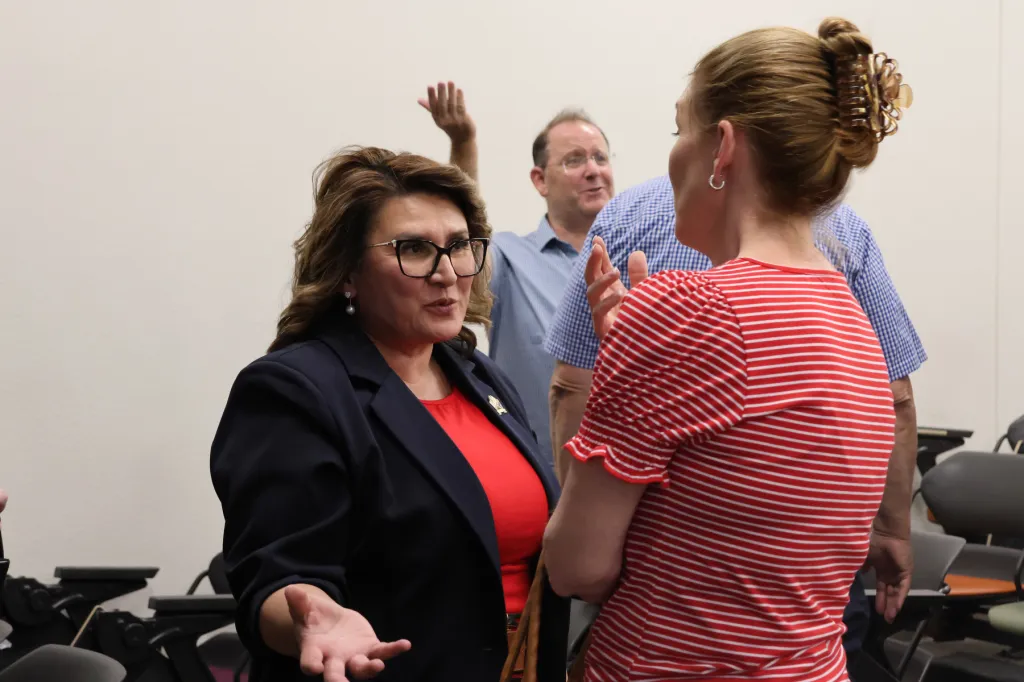 Congressional candidate JoAnna Mendoza has leaned into her working class background as she runs for a seat in the U.S. House to represent Arizona’s 6th congressional district. (Courtesy JoAnna Mendoza campaign)
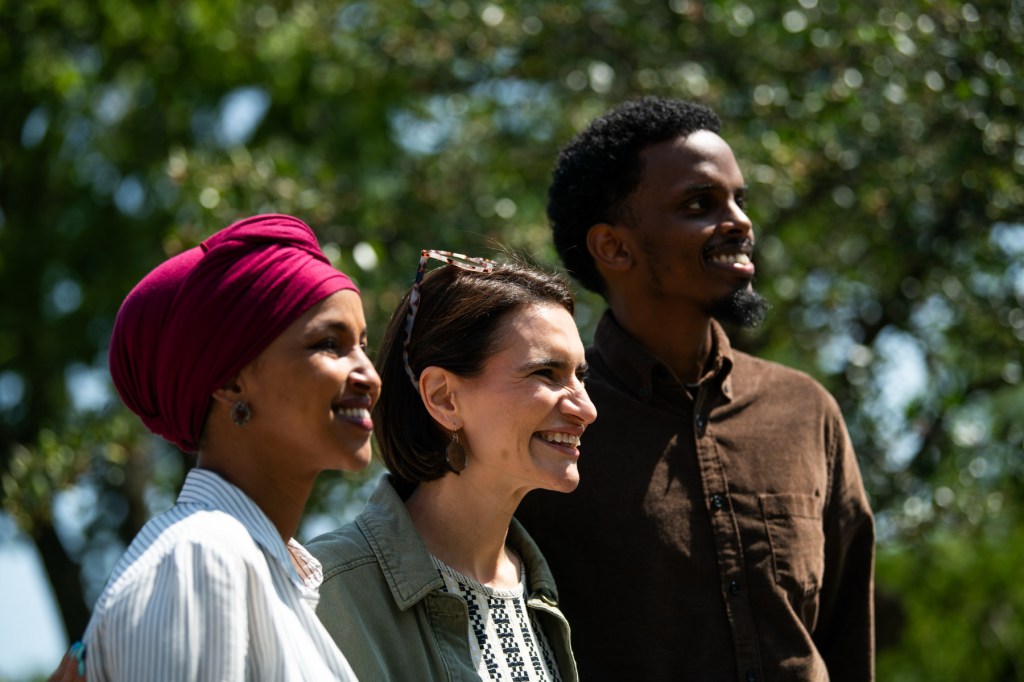 Politicians who come from working class backgrounds, like Minnesota Lt. Gov. Peggy Flanagan (center) and Minnesota state Sen. Omar Fateh (right), are resonating with voters during a particularly challenging economic period. (Stephen Maturen/Getty Images)