

Two weeks ago, more than 50 kids gathered at Busch Gardens in Tampa, Florida, not for the roller coasters or the holiday decorations, but to be legally united with their “forever” families.
Events like this happened across the country in November in celebration of National Adoption Month. When President Bill Clinton established the observance in 1995 to celebrate and encourage adoption as “a means for building and strengthening families,” he noted that “much work remains to be done.” Thirty years later, that work has only grown.
Adoption in the United States is declining. International adoptions have plummeted from a high of nearly 23,000 in 2004 to under 1,300 in 2023. Some of this is due to policy changes curtailing adoption from countries that once made up most foreign adoptees, but the shift doesn’t end there. Domestic U.S. adoptions from foster care have fallen as well and are now at their lowest level since 2003.
This is not because the need has disappeared. There are 117,000 children in the U.S. foster care system waiting to be adopted. Globally, the number of waiting children is estimated in the tens of millions – including from the countries from which American families can still adopt.
Meanwhile, millions of Americans desperately want to be parents. Nearly 1 in 5 married women aged 15-49 have experienced infertility, and demand for IVF and surrogacy is soaring. An astonishing 10% of American women of child-bearing age have undergone some kind of fertility treatment, guided by doctors who focus almost exclusively on medical interventions, rarely discussing adoption at all.
There are so many children who need families—and families who need children—yet adoption remains an afterthought. Eighty-six percent of Americans say they have a positive view of adoption. Almost 40% say they’ve considered it. But fewer than 1% have adopted. As sociologist Allen Fisher writes, “adoption is a possibility that is often considered, but seldom chosen”.
Why the gap between interest and action?
There are fears about the unknowns, the emotional toll, or how friends or family will react. There is the unsettling feeling of relinquishing control over one of life’s most consequential decisions. These are real concerns that need to be thoughtfully weighed and considered. For those who decide to move forward, they must then contend with the financial costs and bureaucratic hurdles from multiple governmental and non-profit agencies–and, in international cases, two different countries.
An intercountry adoption can take years to complete, and wait times are only increasing, leaving children in limbo longer despite the harm this causes them. As the National Council for Adoption has advocated, this is in part because “rather than forging new partnerships and engaging in active diplomacy, the State Department has settled into regulatory box-checking.” Congress has the opportunity–and the responsibility–to hold the State Department accountable for prioritizing children's needs and restoring adoption pathways that will give more children loving, permanent homes, sooner.
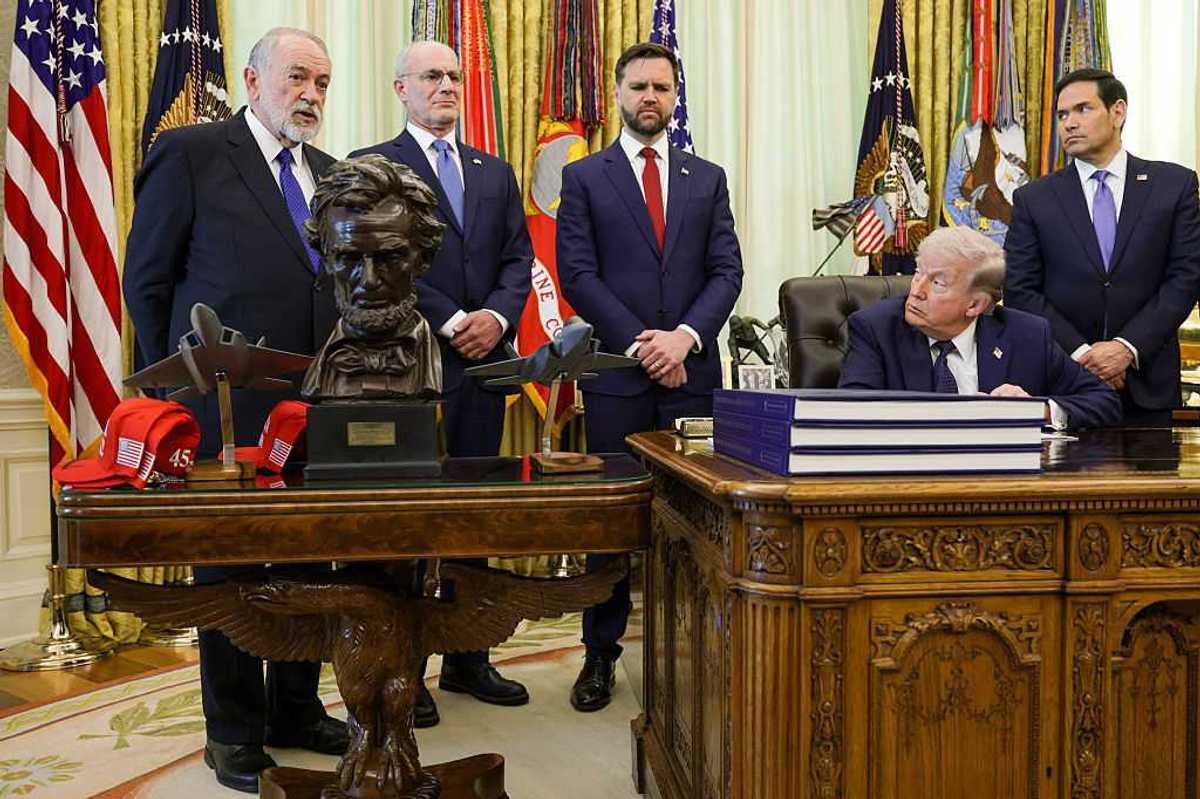
On the domestic front, urgent action is needed as well. In a promising step, President Trump signed an Executive Order two weeks ago directing the Secretary of Health and Human Services to modernize the child welfare system by reducing unnecessary paperwork and improving transparency, efficiency, and outcomes for American foster youth. The initiative could be transformative - but only if the 962-word order is followed-up with real, concrete actions and tangible policy changes. That work is only now beginning.
Despite the imperfections and challenges, I know firsthand that adoption remains one of the most meaningful decisions a family can make. After years of paperwork–home studies, background checks, financial reports, and recommendation letters–that were more exhaustive than a college or job application, my husband and I adopted a little boy in 2021. In addition to the anxiety of a global pandemic, we added the general nervousness of first-time parents and the unique questions that come with adoption. What happened in the years before we met our child? What would it mean to parent a child not biologically related? Would that change the love we felt?
It didn’t. We love him as fully and fiercely as any parents love their child—because he is ours, not by biology but by choice. We have watched him grow into a joyful, deeply empathetic and thoughtful child who embraces his unique identity. He proudly says he has “two homes” and many parents. Our family has expanded not just through him but through his foster family, who are now part of our extended family as well. And yes, we still get a laugh when unknowing strangers debate whether he looks more like me or my husband.
Adoption means paperwork and uncertainty and years of waiting—but also transformational love, expanded identity, and deep belonging. In a world where so much feels broken and divided, creating family across differences is a quiet but radical expression of hope. A declaration that every child is worthy of love, stability, and family—not just in theory, but in practice. And in a culture where the conversation often stops at “awareness,” adoption is the work of showing up.
Let this be an invitation to take one small step. Learn about the foster care system and the kids in your community who are waiting. Talk to someone who has adopted or was adopted. Read a story different from your own. And if you’re already considering fostering or adopting, go one step deeper. Talk to a social worker. Attend an information session. Fill out a form, sign up for a class, or make the call you’ve been putting off.
Adoption won’t solve all of the world’s problems—but it will change a child’s world. And it may just change yours.
Amy Chen is a senior business executive with two decades of leadership experience in the consumer, food, and tech industries and a grateful adoptive mother. She is a PD Soros Fellow and a Public Voices Fellow with The OpEd Project.