

Everyone has a stake in keeping the unemployment rate low. A single percentage point increase in unemployment is tied to a jump in the poverty rate of about 0.4 to 0.7 percentage points. Higher rates of unemployment are likewise associated with an increase in rates of depression among the unemployed and, in some cases, reduced mental health among their family members. Based on that finding, it's unsurprising that higher rates of unemployment are also correlated with higher rates of divorce. Finally, and somewhat obviously, unemployment leads to a surge in social safety spending. Everyone benefits when more folks have meaningful, high-paying work.
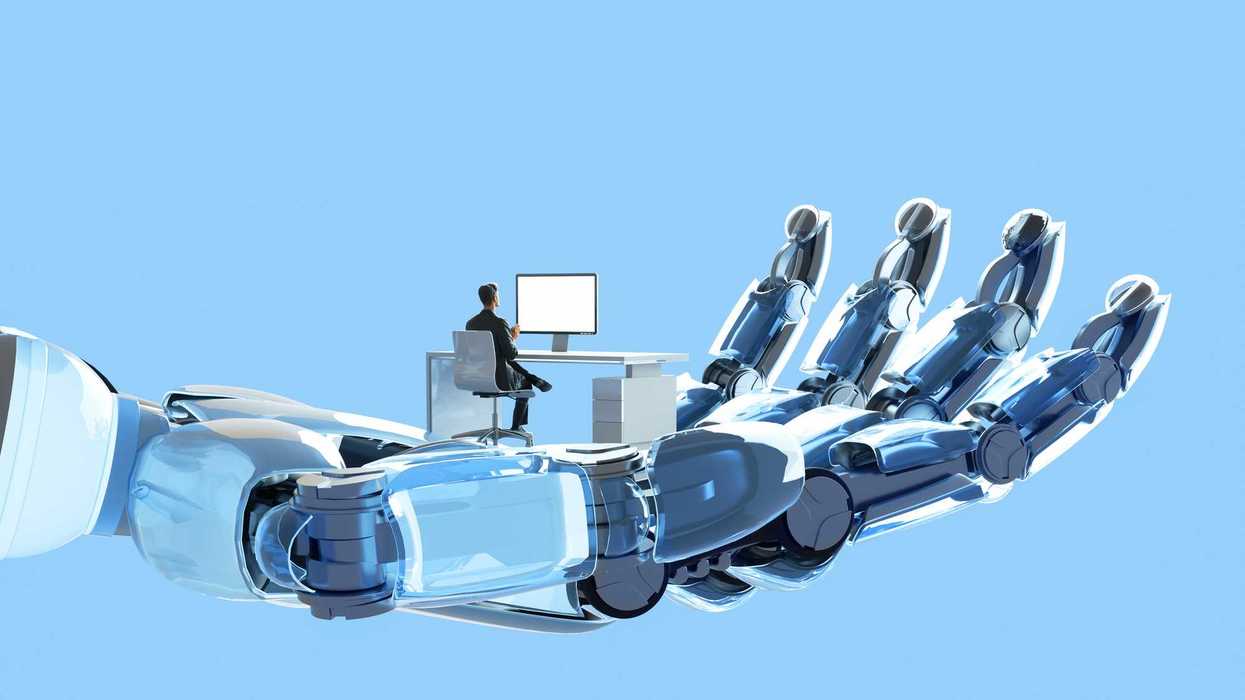
That’s why everyone needs to pay attention to the very real possibility that AI will lead to at least a temporary surge in unemployment. Economists vary in their estimates of how AI will lead to displacement. Gather three economists together, and they’ll probably offer nine different predictions—they’ll tell you that AI is advancing at different rates in different fields, that professions vary in their willingness to adopt AI, and that a shifting regulatory framework is likely to diminish AI use in some sectors. And, of course, they’re right!
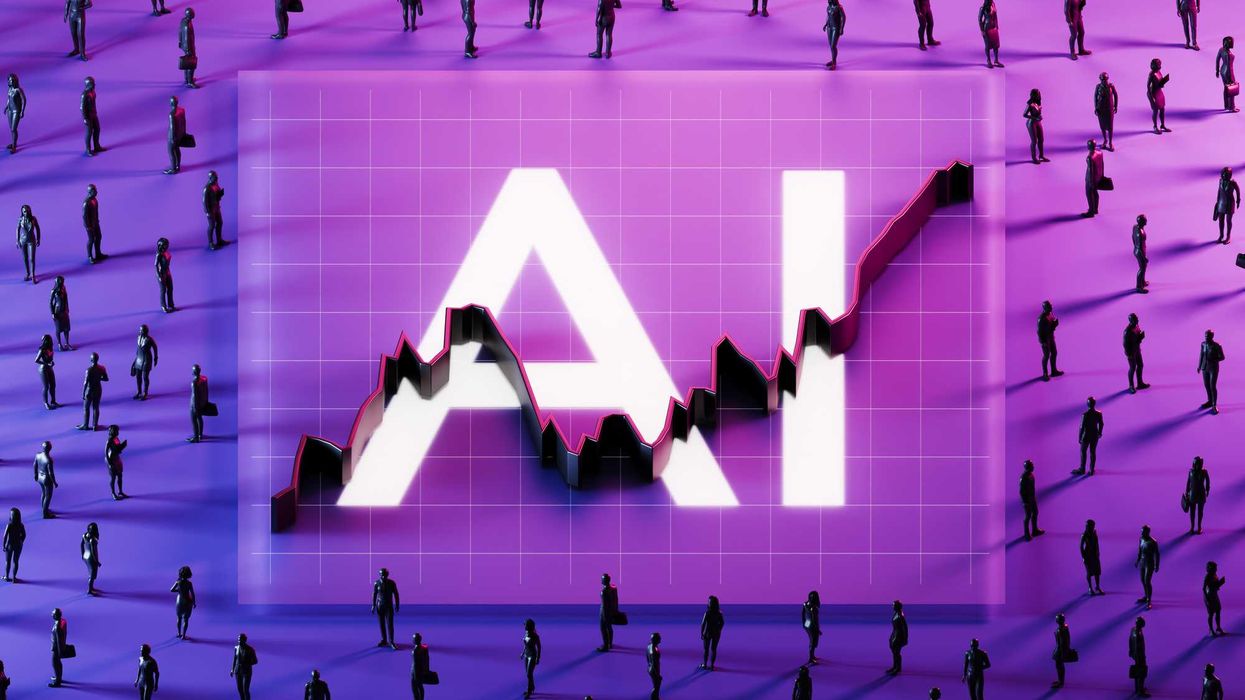
Given that we all have a stake in navigating this uncertain unemployment picture, we need to lean into a bend, but don’t break economy: one in which AI is accepted as a driver of innovation, as well as a disruptor of the status quo, but not a destroyer of economic well-being and opportunity. AI, like waves of prior technology, can spur the sort of productivity gains that are associated with economic growth that benefits us all. A brief by the Penn Wharton Budget Model forecasts productivity gains and related increases in GDP of 1.5% by 2035 and around 3% by 2055.
While GDP is not a measure of human well-being nor economic security among the public, it’s a signal of growth and economic opportunity that at least presents us with the opportunity to invest more in our communities, institutions, and innovators. Those eager to put AI back in the bottle risk depriving Americans of the chance to help build the future by learning new skills and starting new ventures. As summarized by Robert D. Atkinson, “Without productivity growth to create a ‘bigger pie’ there is no way for living standards to increase, especially given that the worker-to-retiree ratio will decline over the next two decades as baby boomers retire.”
The key is that we invest more in the transition period between the jobs of today and those of tomorrow. Our track record on this front is sorely lacking. Retraining programs tend not to lead to long-term increases in earnings. Focused on helping displaced workers find “in-demand” jobs, these programs are more focused on the immediate needs of employers rather than the future well-being of the employee. For example, many programs direct participants into low-wage, high-turnover roles such as certified nursing assistant positions and long-haul trucking.
A clearer, more reliable path toward economic security in the Age of AI is necessary so that people do not fear technology but rather embrace it and the growth it may bring about. A few policy proposals can move us in that direction. For one, we should replicate and scale up the Investing in Manufacturing Communities Partnership (IMCP) program. This effort may have saved more than 1,000 jobs through investments in novel projects across the country. A similar approach—private-public efforts that invest in emerging opportunities in regional economic hubs—could be applied across several sectors.
Second, it's time to reauthorize and expand the Small Business Innovation Research and Small Business Technology Transfer programs. Developed as part of America's Seed Feed, these programs target U.S. small businesses as engines of innovation and new jobs. Over the course of 1995-2017, support for small businesses resulted in an average of 65,000 jobs per year. That’s an incredible record of success that deserves ongoing support.
In sum, fear-mongering about the economic disruptions posed by AI is at odds with historical precedent and is unproductive. “Historically,” based on research by the Organization for Economic Cooperation and Development (OECD), “the income-generating effects of new technologies have proved more powerful than the labor-displacing effects: technological progress has been accompanied not only by higher output and productivity, but also by higher overall employment.” Speculative reports and exaggerated headlines deny this reality and undermine efforts to invest in transition programs.
The progress forecasted by the OECD will only be paired with societal progress if we take the creation of economic bridges seriously—let’s help people connect to the jobs of the future rather than rile them up in defense of the status quo.
Kevin Frazier is an AI Innovation and Law Fellow at Texas Law and author of the Appleseed AI substack.