
Skip to content
Search

Latest Stories

Follow Us:
Top Stories

Hate gerrymandering? This beer is for you.

Fair Maps IPA

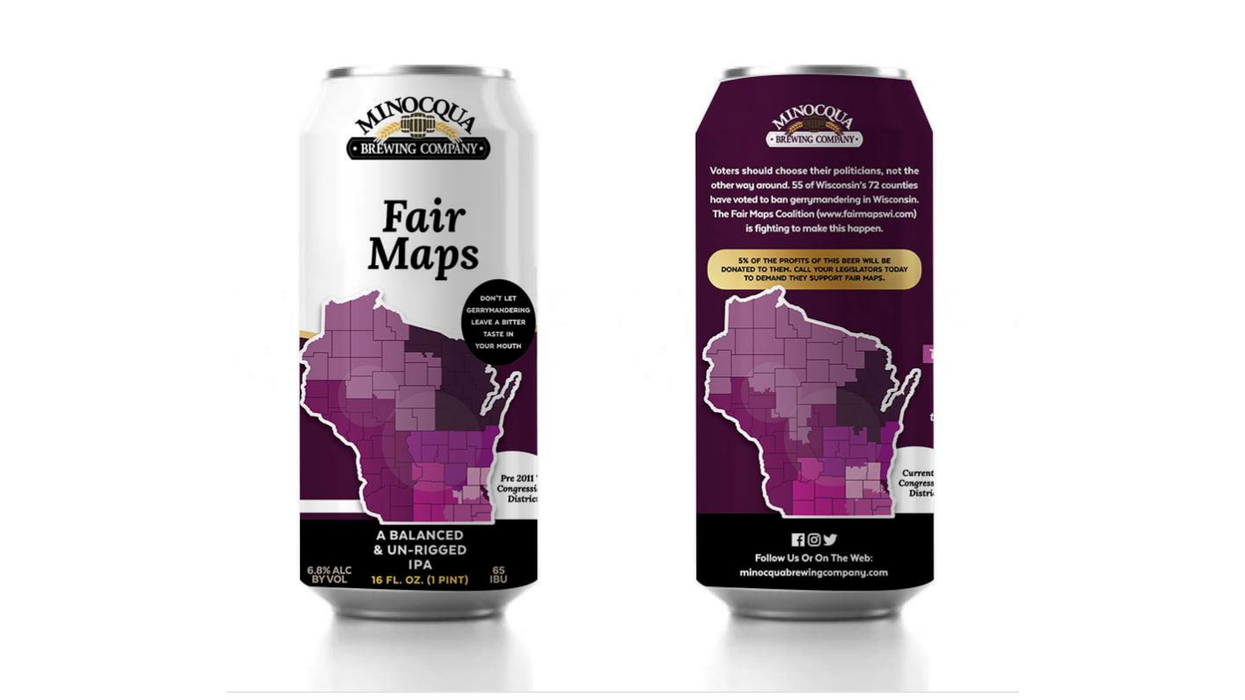
Minocqua Brewing Company says its new Fair Maps IPA is "balanced and unrigged."

Courtesy Kirk Bangstad

Wisconsinites will soon get a taste of fair redistricting — literally. A local brewery is launching a beer next week to promote anti-gerrymandering efforts in the state.

Because he sees partisan mapmaking as the root of political dysfunction in Wisconsin, Minocqua Brewing Company owner Kirk Bangstad has created the "balanced and unrigged" Fair Maps IPA.

While "gerrymandering leaves a bitter taste in your mouth," Bangstad has said, the Fair Maps IPA won't. It has floral and citrus notes and the classic hoppiness of an IPA.


Wisconsin's election maps are a notorious example of partisan gerrymandering — GOP lawmakers a decade ago distorted districts to preserve their party's power. But as the country faces another round of redistricting this year, reform advocates are fighting to make the process more fair and transparent.

Over the past decade, 55 of Wisconsin's 72 counties have passed resolutions calling for fair maps. With public support continuing to grow as mapmakers gear up for their decennial task, Bangstad saw an opportunity to invent this reform-minded brew. By doing so, he hopes to bring more attention to the issue and help build momentum for change.

The front of each can of Fair Maps IPA shows Wisconsin's state legislative and congressional districts prior to 2011, then the back reveals the drastic change in election maps after the last round of redistricting. The can also includes a brief message about reform efforts in the state, encouraging consumers to call their state legislator to demand fair maps.

"Maybe they'll call Republicans and just hammer away so much that they can't sleep at night until they vote for fair maps," Bangstad said.

The first cases of Fair Maps IPA will be available in Madison and Lac de Flambeau on Monday. Bangstad said the beer is already in high demand so he plans to make more soon, so people in other parts of the state can quench their anti-gerrymandering thirst.

While the beer won't be available to out-of-staters, anyone can purchase Fair Maps T-shirts and sweatshirts from the Minocqua Brewing Company's online store. Five percent of all profits from the Fair Maps IPA and merchandise sales will be donated to the Wisconsin Fair Maps Coalition, which advocates for fair and transparent redistricting.

"The Fair Maps Coalition is really grateful for the support of Minocqua Brewing. Partisan gerrymandering hurts us all — Democrats, Republicans and independents. It creates hyperpartisanship and makes legislators unaccountable to their constituents, no matter their party affiliation," said coalition organizer Carlene Bechen.

Read More

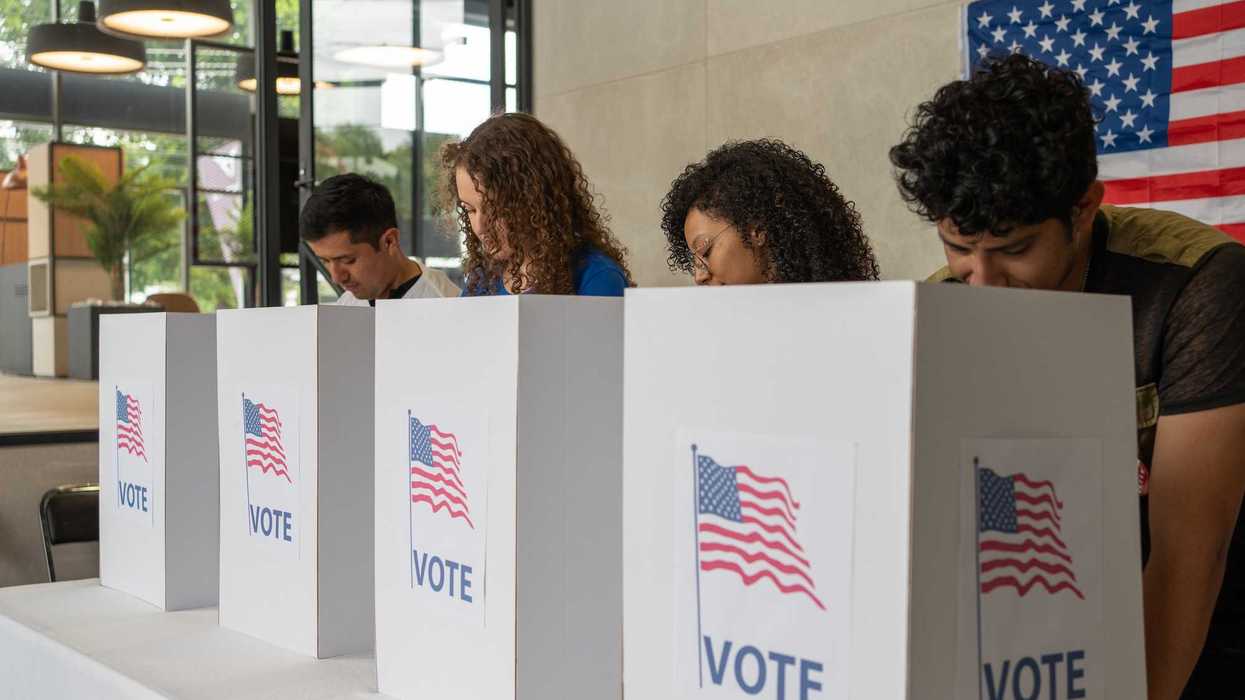
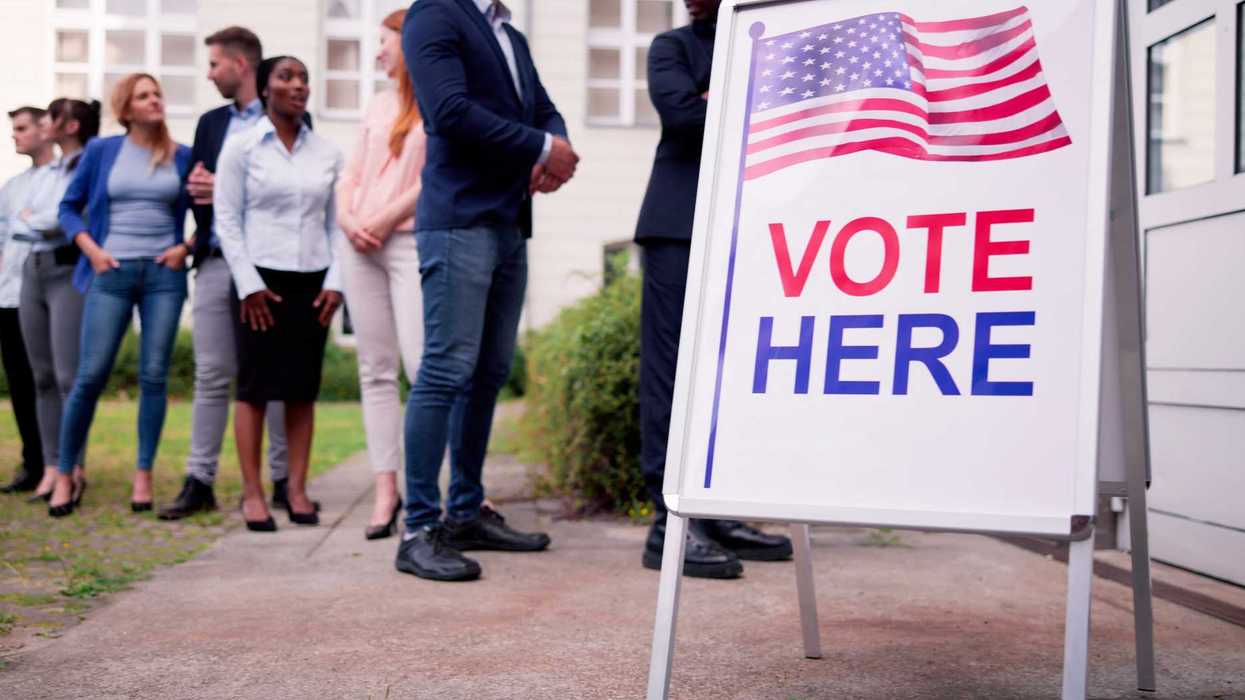
With the focus on the voting posters, the people in the background of the photo sign up to vote.

Should the U.S. nationalize elections? A constitutional analysis of federalism, the Elections Clause, and the risks of centralized control over voting systems.

Getty Images, SDI Productions

Why Nationalizing Elections Threatens America’s Federalist Design

The Federalism Question: Why Nationalizing Elections Deserves Skepticism

The renewed push to nationalize American elections, presented as a necessary reform to ensure uniformity and fairness, deserves the same skepticism our founders directed toward concentrated federal power. The proposal, though well-intentioned, misunderstands both the constitutional architecture of our republic and the practical wisdom in decentralized governance.

The Constitutional Framework Matters

The Constitution grants states explicit authority over the "Times, Places and Manner" of holding elections, with Congress retaining only the power to "make or alter such Regulations." This was not an oversight by the framers; it was intentional design. The Tenth Amendment reinforces this principle: powers not delegated to the federal government remain with the states and the people. Advocates for nationalization often cite the Elections Clause as justification, but constitutional permission is not constitutional wisdom.

Keep ReadingShow less
Postal Service Changes Mean Texas Voters Shouldn’t Wait To Mail Voter Registrations and Ballots

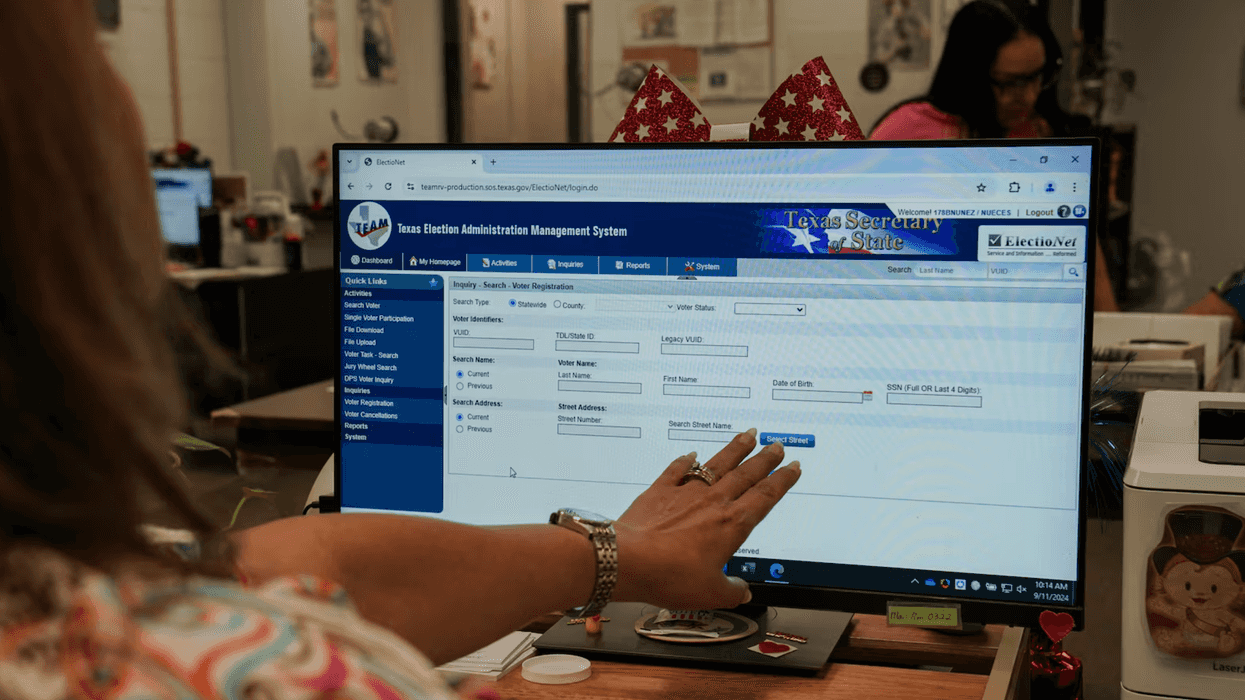
A voter registration drive in Corpus Christi, Texas, on Oct. 5, 2024. The deadline to register to vote for Texas' March 3 primary election is Feb. 2, 2026. Changes to USPS policies may affect whether a voter registration application is processed on time if it's not postmarked by the deadline.

Gabriel Cárdenas for Votebeat

Postal Service Changes Mean Texas Voters Shouldn’t Wait To Mail Voter Registrations and Ballots

Texans seeking to register to vote or cast a ballot by mail may not want to wait until the last minute, thanks to new guidance from the U.S. Postal Service.

The USPS last month advised that it may not postmark a piece of mail on the same day that it takes possession of it. Postmarks are applied once mail reaches a processing facility, it said, which may not be the same day it’s dropped in a mailbox, for example.

Keep ReadingShow less
Post office trucks parked in a lot.

Changes to USPS postmarking, ranked choice voting fights, costly runoffs, and gerrymandering reveal growing cracks in U.S. election systems.

Photo by Sam LaRussa on Unsplash.

2026 Will See an Increase in Rejected Mail-In Ballots - Here's Why

While the media has kept people’s focus on the Epstein files, Venezuela, or a potential invasion of Greenland, the United States Postal Service adopted a new rule that will have a broad impact on Americans – especially in an election year in which millions of people will vote by mail.

The rule went into effect on Christmas Eve and has largely flown under the radar, with the exception of some local coverage, a report from PBS News, and Independent Voter News. It states that items mailed through USPS will no longer be postmarked on the day it is received.

Keep ReadingShow less
People voting at voting booths.

A little-known interstate compact could change how the U.S. elects presidents by 2028, replacing the Electoral College with the national popular vote.

Getty Images, VIEW press

The Quiet Campaign That Could Rewrite the 2028 Election

Most Americans are unaware, but a quiet campaign in states across the country is moving toward one of the biggest changes in presidential elections since the nation was founded.

A movement called the National Popular Vote Interstate Compact (NPVIC) is happening mostly out of public view and could soon change how the United States picks its president, possibly as early as 2028.

Keep ReadingShow less