



Skip to content
Search

Latest Stories

Follow Us:
Top Stories

Reexploring the Godhead

Reexploring the Godhead
Andrew Holt/Getty Images

Rev. Laura George, J.D, serves as Executive Director of The Oracle Institute and author of The Light: And the New Human.

Since the dawn of consciousness, humanity has crafted false belief systems about God: mythological and anthropomorphic depictions of “The Light.” Today, many people seek a new theosophy and an integrated Godhead, worthy of our 21st Century minds and hearts. We are reexploring the Godhead – well beyond the New Age inquiry of the last century. Instead, “New Humans” recognize the many social, scientific, and spiritual forces that are shifting the Godhead toward belief systems founded on a genderful/genderless concept of deity.


The reason for our inquiry is clear: The ancient religions and antiquated holy books no longer suffice to provide meaningful, relevant answers to the primordial questions of human existence. Rather, it is the current merger of science and spirituality, coupled with the new concept of Holism, that provide New Humans with cutting-edge answers. Thus, while no new theosophy is yet on the horizon, the religion of tomorrow will be based on a “Tower of Truth” that includes the best of philosophy, psychology, physics, ethics, neo-humanism, and panpsychism.

The lingering issue will be how to placate (and possibly subdue) the old humans who still subscribe to outdated dogma that validates the barbaric “eye for an eye” moral code. We also have the issue of how to handle those who still believe God is a guy in the sky. Thankfully, the patriarchy associated with “Daddy Deism” is slowly losing ground, which is why we see the Culture War growing and the rise of White Nationalism – an ugly backlash akin to Custer’s Last Stand. The emerging “God Gap” in belief systems is just getting started, incidentally. Look for more mayhem during this “Great Cusp” – the period of intense socio-spiritual chaos that always accompanies a major paradigm shift.

In short: When the Godhead shifts, so does the paradigm. And since people of faith vastly outnumber atheists, expect new and novel theosophies. Let us hope that New Humans adopt increasingly more sophisticated and peaceful belief systems about the cosmos and our interrelationships. Over time, as the Spectrum of Consciousness continues to vertically expand, we should start seeing positive patterns of both individual growth and societal maturity – to the benefit of believers and atheists alike.
Read More

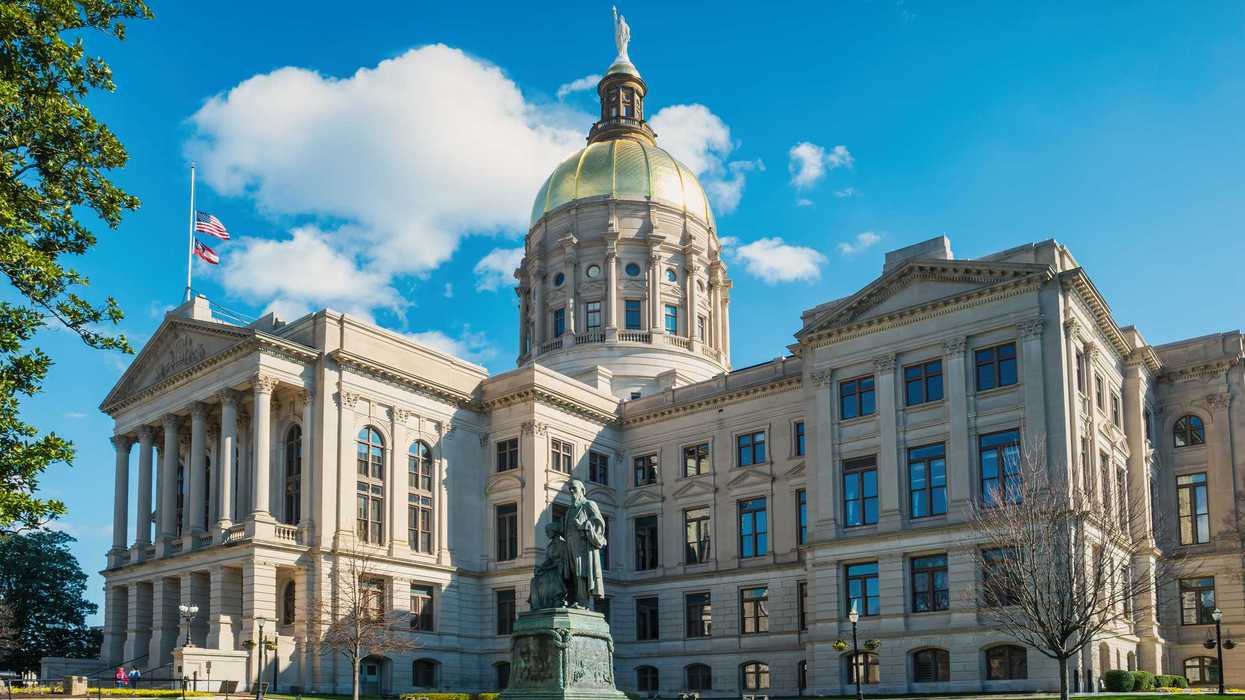
U.S. Capitol.
As government shutdowns drag on, a novel idea emerges: use arbitration to break congressional gridlock and fix America’s broken budget process.
Getty Images, Douglas Rissing

Congress's productive 2025 (And don't let anyone tell you otherwise)

The media loves to tell you your government isn't working, even when it is. Don't let anyone tell you 2025 was an unproductive year for Congress. [Edit: To clarify, I don't mean the government is working for you.]

1,976 pages of new law

At 1,976 pages of new law enacted since President Trump took office, including an increase of the national debt limit by $4 trillion, any journalist telling you not much happened in Congress this year is sleeping on the job.

Keep ReadingShow less
Someone using an AI chatbot on their phone.

AI-powered wellness tools promise care at work, but raise serious questions about consent, surveillance, and employee autonomy.

Getty Images, d3sign

Why Workplace Wellbeing AI Needs a New Ethics of Consent

Across the U.S. and globally, employers—including corporations, healthcare systems, universities, and nonprofits—are increasing investment in worker well-being. The global corporate wellness market reached $53.5 billion in sales in 2024, with North America leading adoption. Corporate wellness programs now use AI to monitor stress, track burnout risk, or recommend personalized interventions.

Vendors offering AI-enabled well-being platforms, chatbots, and stress-tracking tools are rapidly expanding. Chatbots such as Woebot and Wysa are increasingly integrated into workplace wellness programs.

Keep ReadingShow less
Women holding signs to defend diversity at Havard

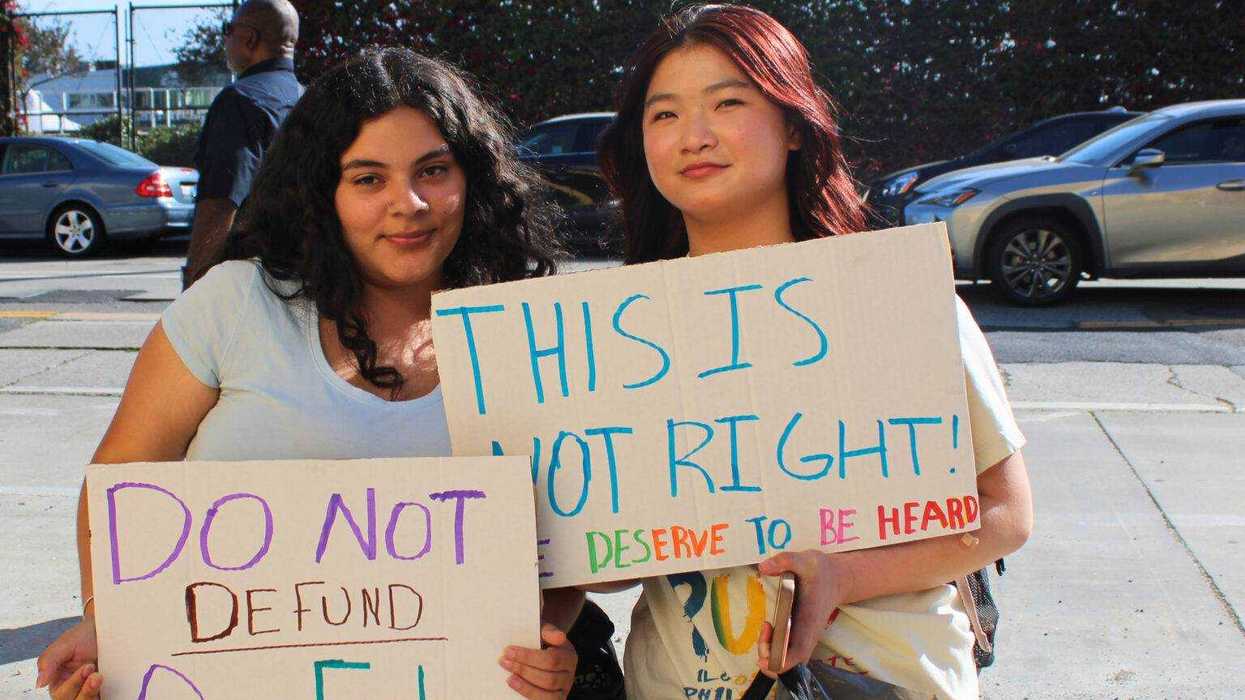
Harvard students joined in a rally protesting the Supreme Courts ruling against affirmative action in 2023.

Craig F. Walker/The Boston Globe via Getty Images

Diversity Has Become a Dirty Word. It Doesn’t Have to Be.

I have an identical twin sister. Although our faces can unlock each other’s iPhones, even the two of us are not exactly the same. If identical twins can differ, wouldn’t most people be different too? Why is diversity considered a bad word?

Like me, my twin sister is in computing, yet we are unique in many ways. She works in industry, while I am in academia. She’s allergic to guinea pigs, while I had pet guinea pigs (yep, that’s how she found out). Even our voices aren’t the same. As a kid, I was definitely the chattier one, while she loved taking walks together in silence (which, of course, drove me crazy).

Keep ReadingShow less
The Domestic Sting: Why the Tariff Bill is Arriving at the American Door
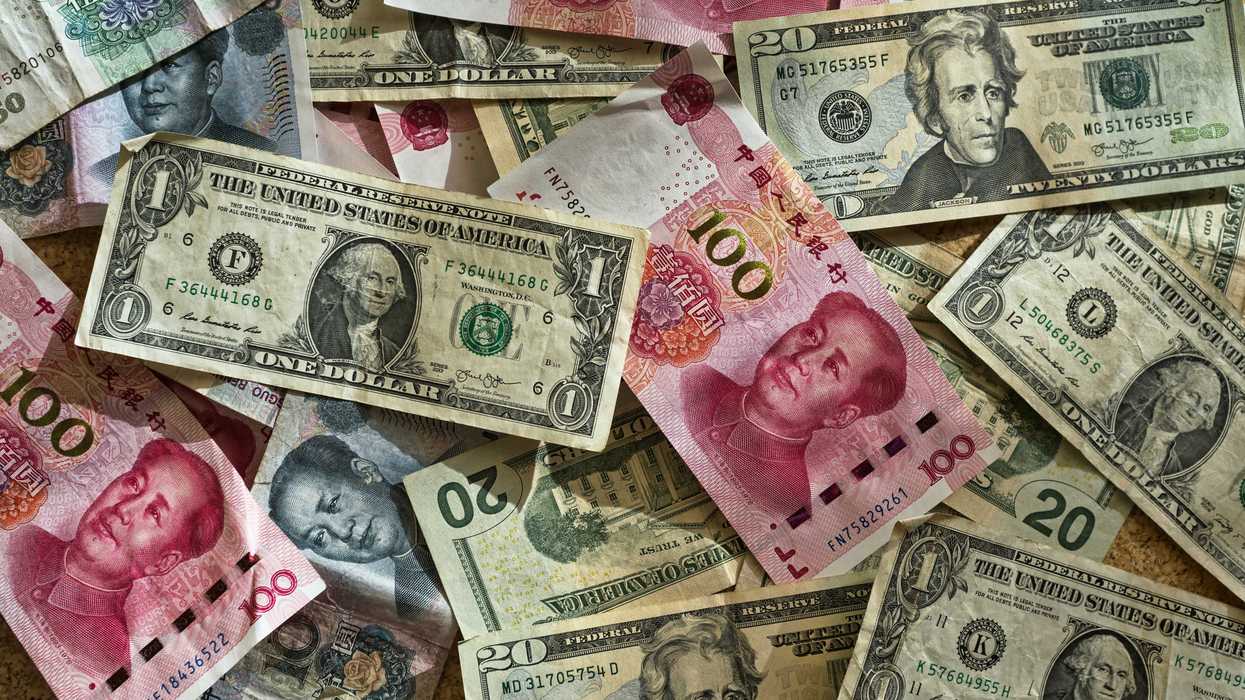
photo of dollar coins and banknotes
Photo by Mathieu Turle on Unsplash

The Domestic Sting: Why the Tariff Bill is Arriving at the American Door

America's tariff experiment, now nearly a year old, is proving more painful than its architects anticipated. What began as a bold stroke to shield domestic industries and force concessions from trading partners has instead delivered a slow-burning rise in prices, complicating the Federal Reserve's battle against inflation. As the policy grinds on, economists warn that the real damage lies ahead, with consumers and businesses absorbing costs that erode purchasing power and economic momentum. This is not the quick victory promised but a protracted burden that risks entrenching higher prices just as the economy seeks stability.

The tariffs, rolled out in phases since early March 2025, have jacked up the average import duty from 2 percent to around 17 percent. Imported goods prices have climbed 4 percent since then, outpacing the 2 percent rise in domestic equivalents. Items like coffee, which the United States cannot produce at scale, have seen the sharpest hikes, alongside products from heavily penalized countries such as China. Retailers and importers, far from passing all costs abroad as hoped, have shouldered much of the load initially, limiting immediate sticker shock. Yet daily pricing data from major chains reveal a creeping pass-through: imported goods up 5 percent overall, domestic up 2.5 percent. Cautious sellers absorb some hit to avoid losing market share, but this restraint is fading as tariffs are embedded in supply chains.

Keep ReadingShow less