



Skip to content
Search

Latest Stories

Top Stories

Voting Rights Act

Voting Rights Act
YinYang for Getty Images

The 1965 federal law, modified five times since, that bans racial discrimination in state voting laws and legislative district mapmaking. It also created a system of special oversight for elections and redistricting in states and counties with histories of discrimination, which the Supreme Court effectively stopped in 2013. See preclearance and Shelby County v. Holder .

Read more about the Voting Rights Act.


Read More

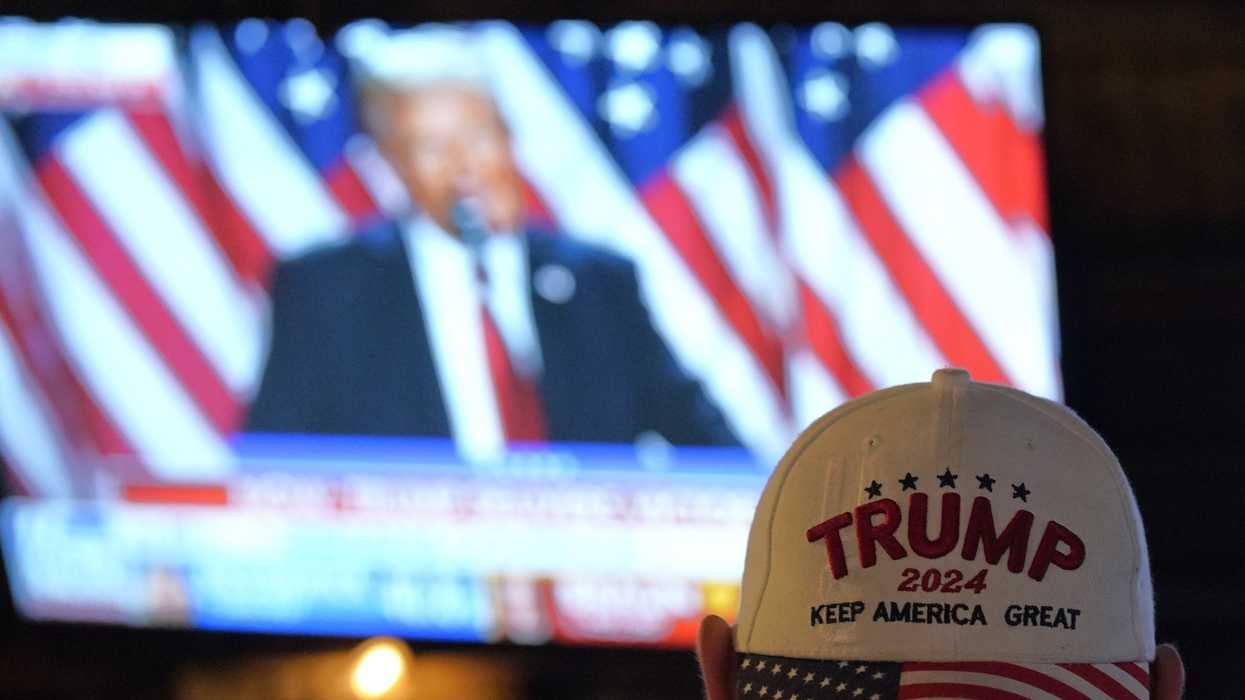
Man wearing Trump hat watches Trump on TV

Trump’s 10-to-1 rule aims to cut red tape, but fewer regulations can mean weaker food safety, Head Start services, and checks on presidential power.

Wu Xiaoling/Xinhua via Getty Images

Trump’s 10-to-1 Rule Gives the Presidency Too Much Power

We only think about the plumbing in our homes when something goes wrong. The same is true for government bureaucracy. Rules, procedures, and bureaucrats operate largely out of sight, making sure food is safe, Social Security checks arrive, workplaces are safe, and children with disabilities receive the services promised to them by law. Yes, there is plenty of red tape in government, just as an old house can accumulate pipes that no longer serve much purpose. But ripping out pipes simply because there are too many of them is not much of a plumbing strategy. Yet the Trump administration has made the number of federal regulations it eliminates a measure of success. That raises a more important question: When does cutting bureaucracy stop making government more efficient and start making it less capable?

1. The Case for Cutting Red Tape

Keep ReadingShow less
US Capitol building
white dome building near body of water during daytime
Photo by José Matute on Unsplash

We The People

On November 19, 1863, President Abraham Lincoln concluded the Gettysburg Address with a vision of democracy that has endured for more than a century:

“That this nation, under God, shall have a new birth of freedom, and that government of the people, by the people, for the people, shall not perish from the earth.”

Keep ReadingShow less
The U.S. Capitol in autumn.

New surveys of nearly 20,000 battleground voters find bipartisan majorities say Congress ignores the public, and that more public influence would help.

Philip Yabut/Getty Images

Americans Say the People Can Lead Congress to Common Ground; It Appears They Are Right

New surveys in battleground states and districts across the country, as well as nationwide, find that Americans—both Republicans and Democrats—believe Congress does what most Americans would do less than half the time.

They also found that majorities agree that if Congress were to be more influenced by the people, it would be more likely to find common ground. In fact, surveys show that majorities of Republicans and Democrats agree on what to do about many issues that Congress is stuck on.

Keep ReadingShow less