


Skip to content
Search

Latest Stories

Top Stories

Election websites crash in Florida, Pennsylvania as deadlines loom

computer error, online voter registration
filo/Getty Images

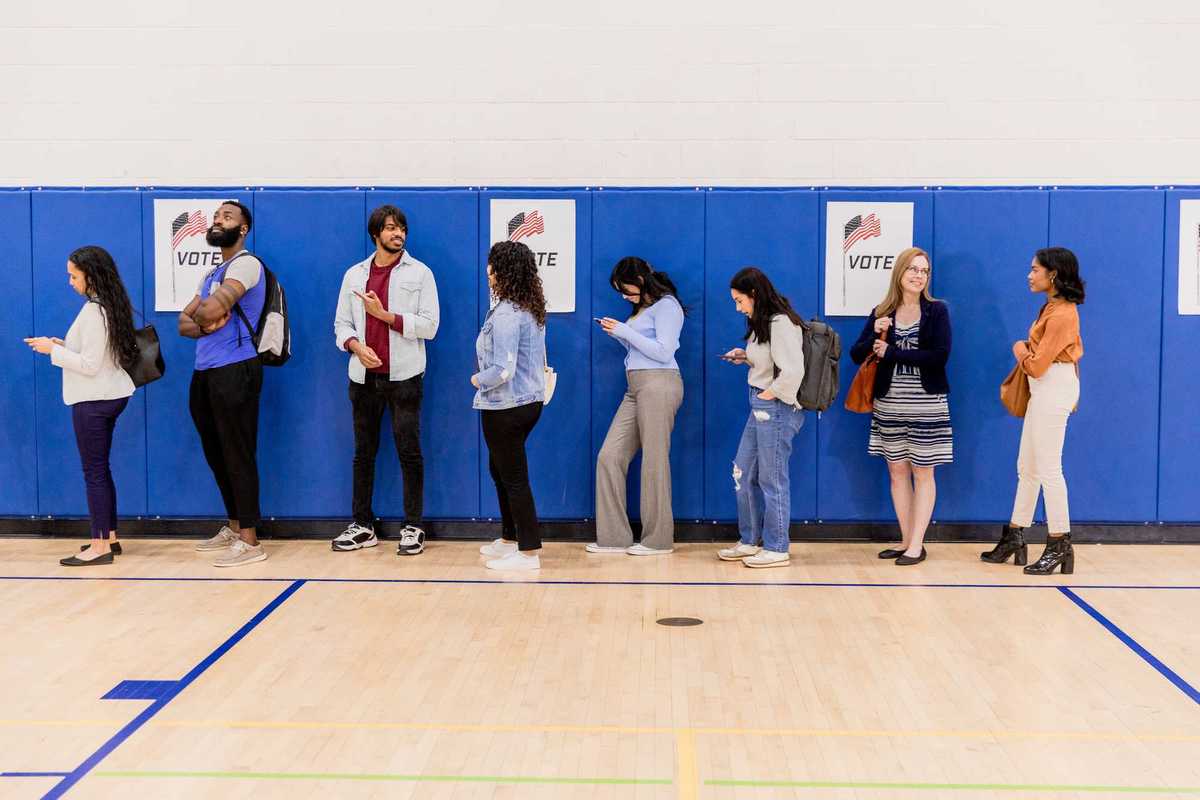
As important deadlines drew near, state election websites in two presidential battlegrounds have crashed in recent days, leaving voters unable to access online services.

Pennsylvania's site was down over the weekend, and Florida's online system seized up on Monday, the state's registration deadline. Both sites have since been restored, and Florida on Tuesday allowed people to continue signing up to vote until 7 p.m. (Pennsylvanians have another two weeks to register.)

Because the vote totals in both are expected to be extremely close, and because Florida (with 29 electoral votes) and Pennsylvania (with 20) will be central to deciding the presidency, they have seen as much litigation (filed by both parties) and scrutiny from voting rights groups as any state.


Florida's GOP secretary of state, Laurel Lee, tweeted Monday evening that due to a high volume of traffic on the voter registration website, users had been experiencing delays for about 15 minutes. Toward of the end of the day, the site was accessed by an unprecedented 1.1 million users every hour, she said.

But voting rights advocates were quick to point out that this is not the first time the state's online election systems have failed at a critical time. It also happened on the last day to register for the 2018 midterm election.

This time, Juan Peñalosa, executive director of the state Democratic Party, suggested without evidence that the system had been taken down on purpose, tweeting that the Florida GOP's "suppression machine is in full effect."

But Republican Gov. Ron DeSantis signed off on the announcement that the online and by- mail registration deadline had been extended a day.

Pennsylvania's site was down most of the weekend, with officials reporting services were restored Monday morning. Democratoc Secretary of State Kathy Boockvar blamed the outage on an equipment failure at a data center. She said there was no evidence of malicious interference and no data had been lost.

The deadline to register in Pennsylvania is Oct. 19, and voters have until Oct. 27 to request an absentee ballot. This is the first year with no-excuse mail voting in the state.

While all the online voter services, including registration and mail ballot applications, have been restored, other agencies, such as Human Services and the Liquor Control Board, are still experiencing problems. State officials said they are working with the contractor, Unisys, to fix any remaining issues.



Read More

An empty grocery cart in a market.

NYC Mayor Zohran Mamdani proposes five city-run grocery stores. See the arguments for and against, from food deserts to bodega concerns and the $70M cost.

Getty Images, Kwangmoozaa

Government-Owned Grocery Stores: Accessible Nutrition or Government Overreach?

Issue Introduction

Over the past few years, affordability has become the most central issue affecting Americans and the quality of life in the United States. The prices of groceries and basic necessities have risen 25-30% since the COVID-19 pandemic and are projected to rise another 3.2% in 2026. At the same time, the exodus of grocery chains from rural and low-income areas has scattered food deserts throughout individual states. Recent mass closures include Grocery Outlet’s shuttering of 36 stores and continued shut-downs of many Albertsons locations. These factors have led politicians to make affordability a major campaign issue.

During his progressive campaign for mayor of New York City, Zohran Mamdani raised the idea of opening grocery stores owned and operated by the city government to provide New Yorkers with affordable groceries. In his April 2026 public address that marked his first 100 days in office, Mayor Mamdani announced plans for the first of five city-run grocery stores. Mamdani’s proposed initiative will use $70 million in capital funding to build five city-owned municipal stores–one in each borough–and place them under control of the New York City Economic Development Corporation (NYCEDC). NYCEDC will then select third-party operating staff in accordance with city standards for affordability and proper labor practices. Public opinion following the announcement continues to be divided between uproar and support.

Keep ReadingShow less
Land of the Free, Home of the Capitalism Didn’t Fail America. America Failed to Moderate Capitalism
Monopoly's mr. monopoly in a graffiti collage
Photo by Artur Ament on Unsplash

Land of the Free, Home of the Capitalism Didn’t Fail America. America Failed to Moderate Capitalism

The signs are everywhere. For many Americans, buying power has improved only modestly despite decades of economic growth. Corporate profits are at an all-time high. We have reached a level of wealth inequality last seen almost a hundred years ago. By many measures, our capitalist economy seems to have failed to deliver broadly shared prosperity.

However, the failure isn’t with the free market as an economic approach. Instead, it’s our failure to regulate and moderate the free market, or more accurately, that we have spent 40 years undermining or removing the regulations of the New Deal that made our economy work for more Americans.

Keep ReadingShow less
Woman putting savings in a white piggy bank.

America’s economy now rewards asset ownership over wages. A policy proposal: a $35,000 Birthright Account for every child, and how it could be funded.

Guido Mieth/Getty Images

The American Dream Needs a New Economic Operating System

It is, by now, not an exaggeration to state that the traditional American Dream—work hard, buy a house, raise a family, and retire securely—is failing. It was built for a labor-based economy in which steadily rising wages allowed ordinary families to accumulate wealth. But America has become an asset-based economy, and ownership of those assets is extraordinarily concentrated.

Since the 1980s, the returns from capital have far outpaced the returns from labor. Inflation-adjusted wages for ordinary workers have risen only modestly, while the real value of equities has multiplied many times over. Housing, education, healthcare and childcare costs have soared, employment has become less secure, and defined-benefit pensions have largely disappeared. Even two-income households with respectable jobs often struggle to buy a home, build savings and accumulate enough for retirement.

Keep ReadingShow less