

Skip to content
Search

Latest Stories

Top Stories

Podcast: Why Republicans are losing Gen Z

Podcast: Why Republicans are losing Gen Z

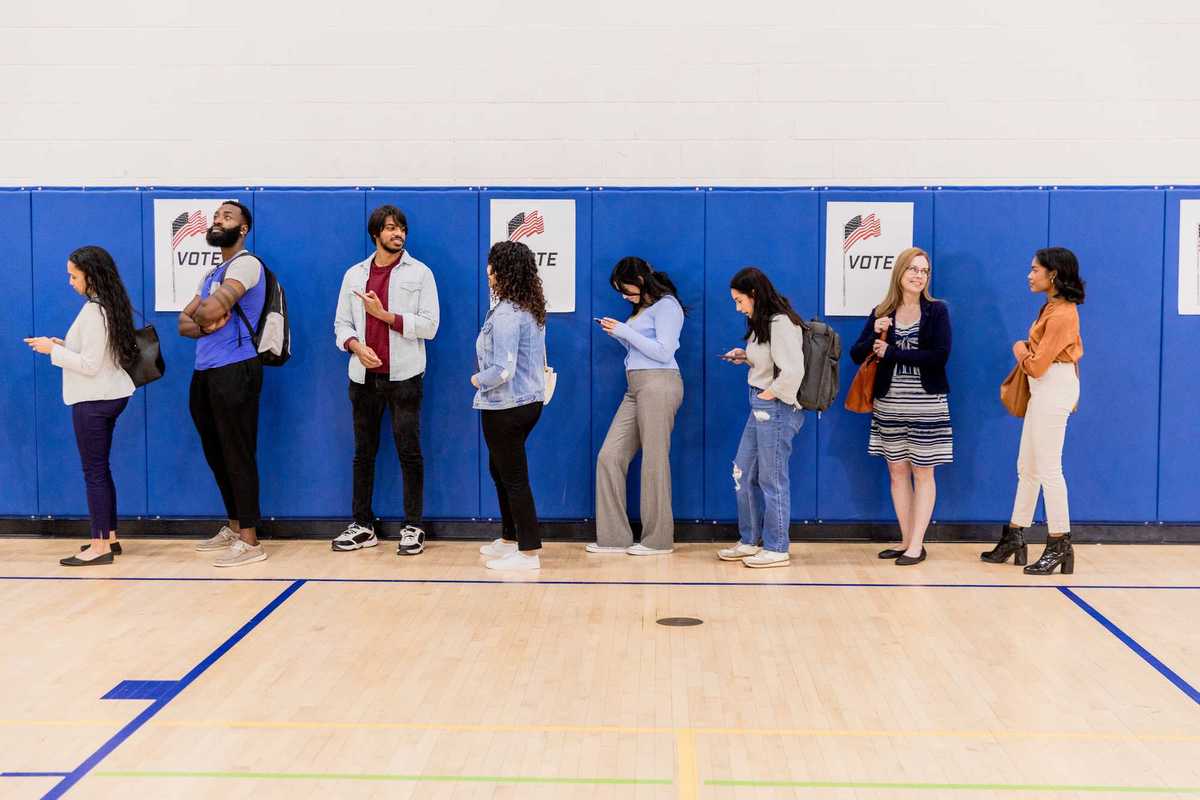
Almost 70 percent of Generation Z voted for Democrats in November’s midterm elections. As the years go by, Republicans are getting a smaller and smaller slice of the youth vote.

The last episode of Let's Find Common Ground explored why Democrats are failing with rural voters. This time, the GOP is asked why the party does so poorly with young voters.


Generation Z is often described as overwhelmingly liberal, driven by strong feelings on abortion, gun violence, and climate change. But this episode's guests – two young Republicans – say it’s not that simple, and that if Republicans engaged in better marketing and outreach, they could win over many of the young electorate.

Listen here.

Read More

A nurse giving a patient a shot.

A pregnant woman receives a COVID-19 vaccine at a pharmacy in Pennsylvania in 2021. Hannah Beier/Reuters.

Hannah Beier/Reuters

Amid Confusing CDC Guidance About Vaccines, Study Highlights New Risk of COVID-19 During Pregnancy

In the first 18 months of the COVID-19 pandemic, tens of thousands of pregnant women were wheeled into hospitals where they fought for their lives and the lives of the babies they carried.

It took the Centers for Disease Control and Prevention until August 2021, eight months after the first vaccine was administered, to formally recommend the COVID-19 shot for pregnant and breastfeeding mothers. The CDC had found that pregnant women with COVID-19 faced a 70% increased risk of dying, compared with those who weren’t. They also faced an increased risk of being admitted to the intensive care unit, needing a form of life support reserved for the sickest patients, and delivering a stillborn baby. In recommending the vaccine, the CDC assured them that the shot was safe and did not cause fertility problems.

Keep ReadingShow less
A nurse giving a patient a shot.

A pregnant woman receives a COVID-19 vaccine at a pharmacy in Pennsylvania in 2021. Hannah Beier/Reuters.

Hannah Beier/Reuters

Amid Confusing CDC Guidance About Vaccines, Study Highlights New Risk of COVID-19 During Pregnancy

In the first 18 months of the COVID-19 pandemic, tens of thousands of pregnant women were wheeled into hospitals where they fought for their lives and the lives of the babies they carried.

It took the Centers for Disease Control and Prevention until August 2021, eight months after the first vaccine was administered, to formally recommend the COVID-19 shot for pregnant and breastfeeding mothers. The CDC had found that pregnant women with COVID-19 faced a 70% increased risk of dying, compared with those who weren’t. They also faced an increased risk of being admitted to the intensive care unit, needing a form of life support reserved for the sickest patients, and delivering a stillborn baby. In recommending the vaccine, the CDC assured them that the shot was safe and did not cause fertility problems.

Keep ReadingShow less
Person filling out absentee ballot.

Twenty-six states will elect Secretaries of State in 2026, with key battlegrounds and rising concerns over election deniers shaping the future of U.S. election integrity.

Getty Images, Cavan Images

Why 26 Secretary of State Races in 2026 Could Shape U.S. Election Integrity

The Fulcrum strives to approach news stories with an open mind and skepticism, striving to present our readers with a broad spectrum of viewpoints through diligent research and critical thinking. As best we can, we remove personal bias from our reporting and seek a variety of perspectives in both our news gathering and selection of opinion pieces. However, before our readers can analyze varying viewpoints, they must have the facts.

How many states will be holding elections in November 2026 for Secretary of State:

26 U.S. states will hold elections for Secretary of State. The states are: Alabama, Arizona, Arkansas, California, Colorado, Connecticut, Georgia, Idaho, Illinois, Indiana, Iowa, Kansas, Massachusetts, Michigan, Minnesota, Nebraska, Nevada, New Mexico, North Dakota, Ohio, Rhode Island, South Carolina, South Dakota, Vermont, Wisconsin, and Wyoming.

Keep ReadingShow less