


Skip to content
Search

Latest Stories

Follow Us:
Top Stories

Video: How do we stabilize our democracy?

Losers’ Consent: How do we stabilize our democracy?

The insurrection at the U.S. Capitol on January 6 was not an isolated incident. Instead, it marked the culmination of the ongoing degradation of our political culture. A successful democracy relies upon the consent of its losers— both voters and candidates. But over the last two decades, American political losers have increasingly refused to consent to the winners. R Street Institute looks at what can be done to reverse this trend and develop a healthier political culture?


Read More

Plane on the tamarac in Seattle, Washington

Plane on the tamarac in Seattle, Washington

Photo provided

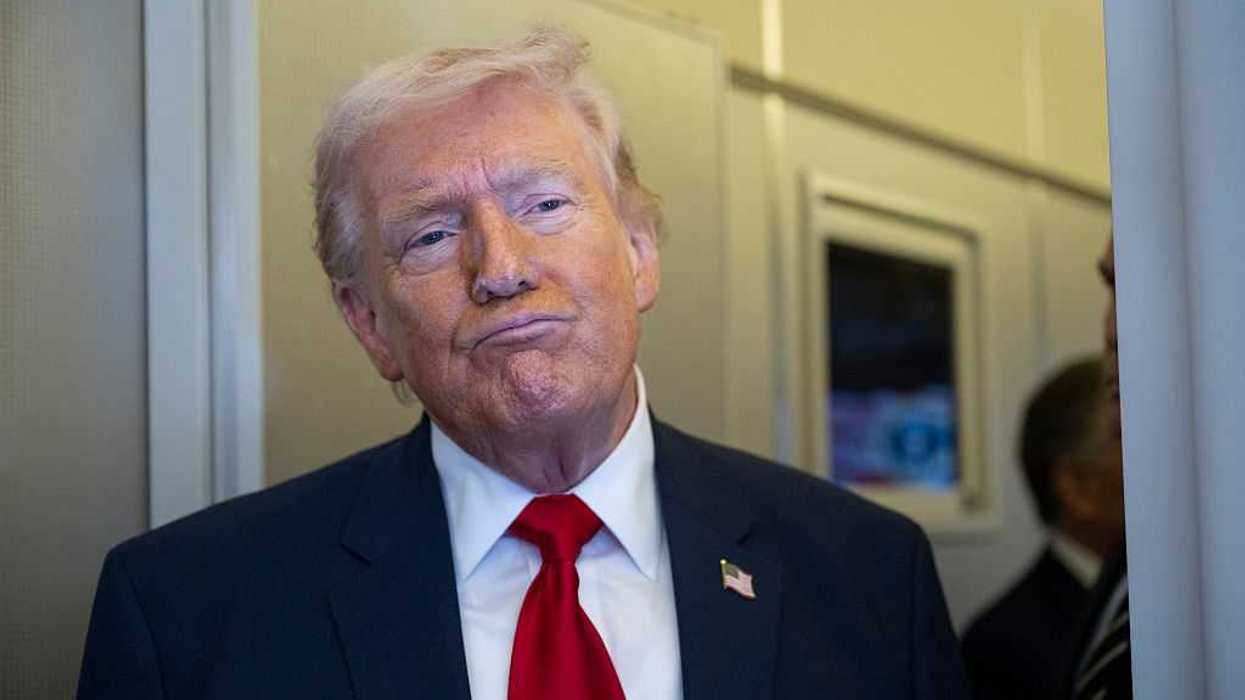
Trump’s Post-Midterm Contrition Was a Mirage—And Immigrant Communities Are Paying the Price

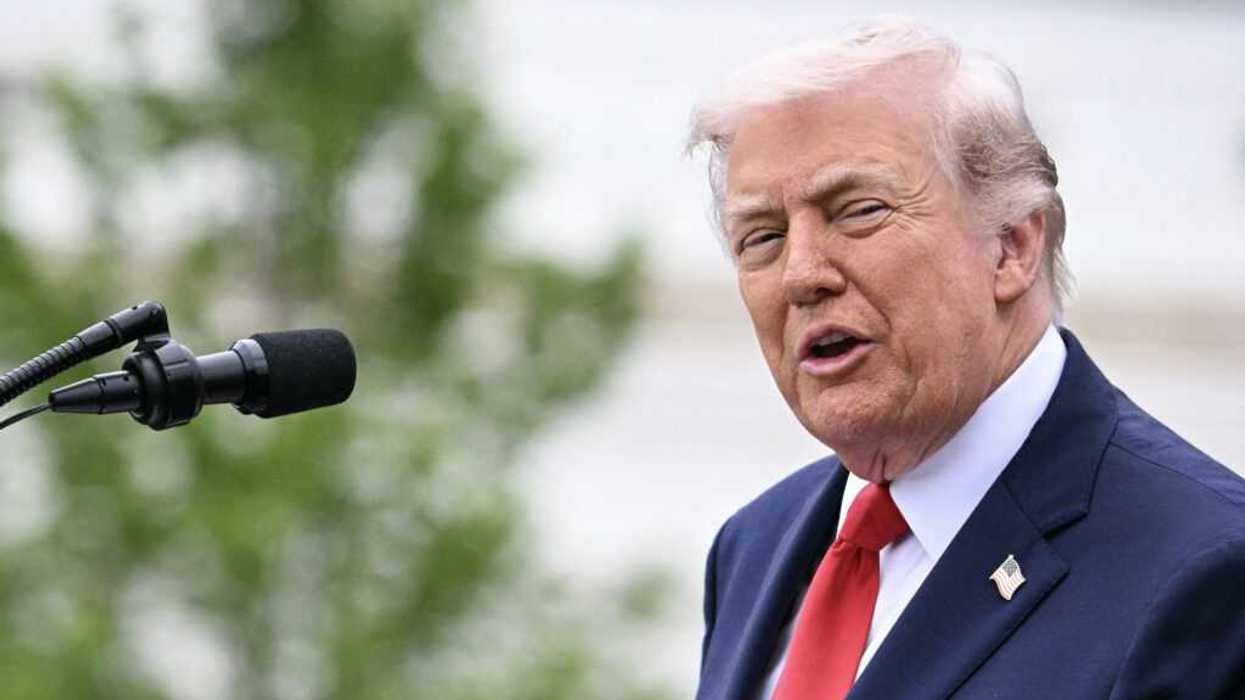
In the immediate aftermath of the 2026 midterm elections, as voters delivered a decisive blue wave in rebuke of the MAGA agenda, President Donald Trump briefly adopted a tone of political self-reflection. Appearing on CBS’s 60 Minutes, the president conceded that his administration’s sweeping deportation campaign had gone too far and cost Republicans at the ballot box.

“I get very high marks for getting the bad ones out, but I get hurt because we also took people that had good jobs,” Trump admitted during the broadcast, acknowledging that his mass deportation policies might have been “too tough”.

Keep ReadingShow less
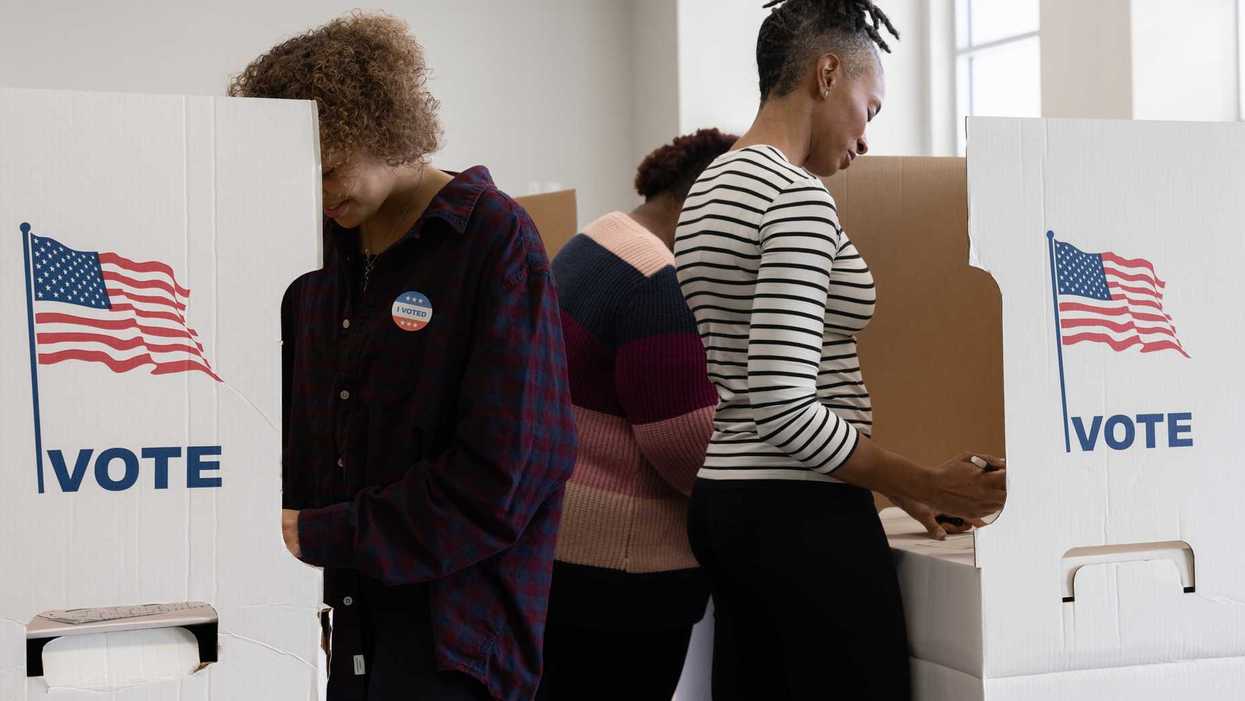
Three women at the polls voting.

Drawing on political psychology and the November 2026 midterm results, this analysis explores how voter expectations around trust and accountability shaped the vote.

LPETTET/Getty Images

When Expectations Become Demands

When I taught voting behavior and political psychology at California State University, Bakersfield, I regularly asked students what qualities they wanted in a president. The answers were familiar—honesty, trustworthiness, fairness, empathy, experience—resembling the lists that appear in national public opinion surveys.

But one semester, a student offered a description I have remembered ever since: “I want the president to be like a really good boyfriend.”

Keep ReadingShow less
The Masculinity Midterms
Sarah Porter for The 19th; Getty Images

The Masculinity Midterms

In April, Republican Rep. Tony Gonzales of Texas resigned after being accused of having improper relationships with staff, including a former staffer who died by suicide. The Republican who ran to replace him, gun influencer Brandon Herrera, known online as “the AK Guy,” had a long history of using profane and misogynistic language to denigrate women.

The district had gone for President Donald Trump by 15 points in 2024. But on Tuesday, Democrat Katy Padilla Stout flipped the seat, which stretches along the U.S.-Mexico border from El Paso to San Antonio. Padilla Stout, a former child welfare attorney and teacher, will be the first Latina to represent the district.

Keep ReadingShow less
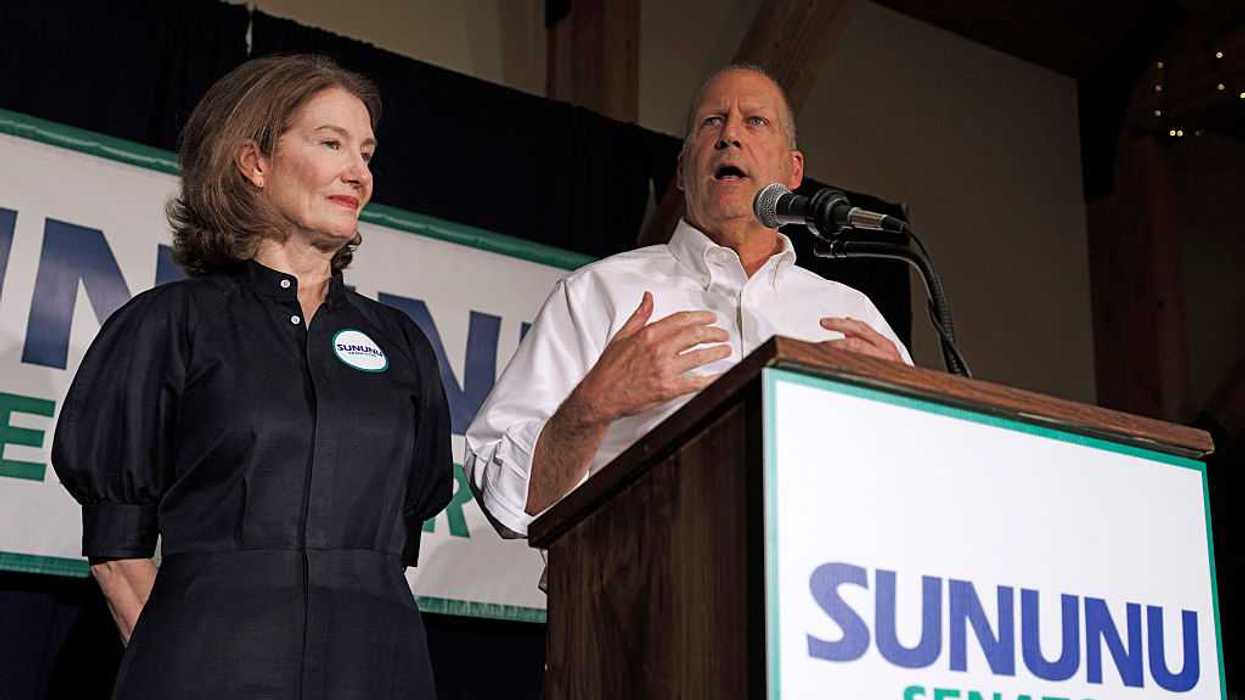
​New Hampshire Republican Senate candidate John Sununu accompanied by his wife Kitty, speaks to supporters at his primary election night watch party on September 8, 2026 in Manchester, New Hampshire

New Hampshire Republican Senate candidate John Sununu accompanied by his wife Kitty, speaks to supporters at his primary election night watch party on September 8, 2026 in Manchester, New Hampshire

CJ Gunther/Getty Images

The Responsibilities of an Inherited Political Name

A familiar surname lets a candidate begin a campaign with part of the introduction already done. The difficult question is which introduction voters have heard. They may know the candidate’s record, trust a relative’s judgment, or have a different person in mind. Those possibilities can produce the same answer to a pollster while describing very different political choices.

New Hampshire’s Senate race makes the distinction unusually visible. John E. Sununu is a former senator whose father, John H. Sununu, and brother Chris both served as governor. Several careers enter a contest for one office through the same surname. The voters must decide how much of that accumulated reputation belongs to the man seeking their vote.

Keep ReadingShow less