


Skip to content
Search

Latest Stories

Top Stories

Super PACs tied to major parties misled voters, complaint alleges

Money in politics
erhui1979/Getty Images

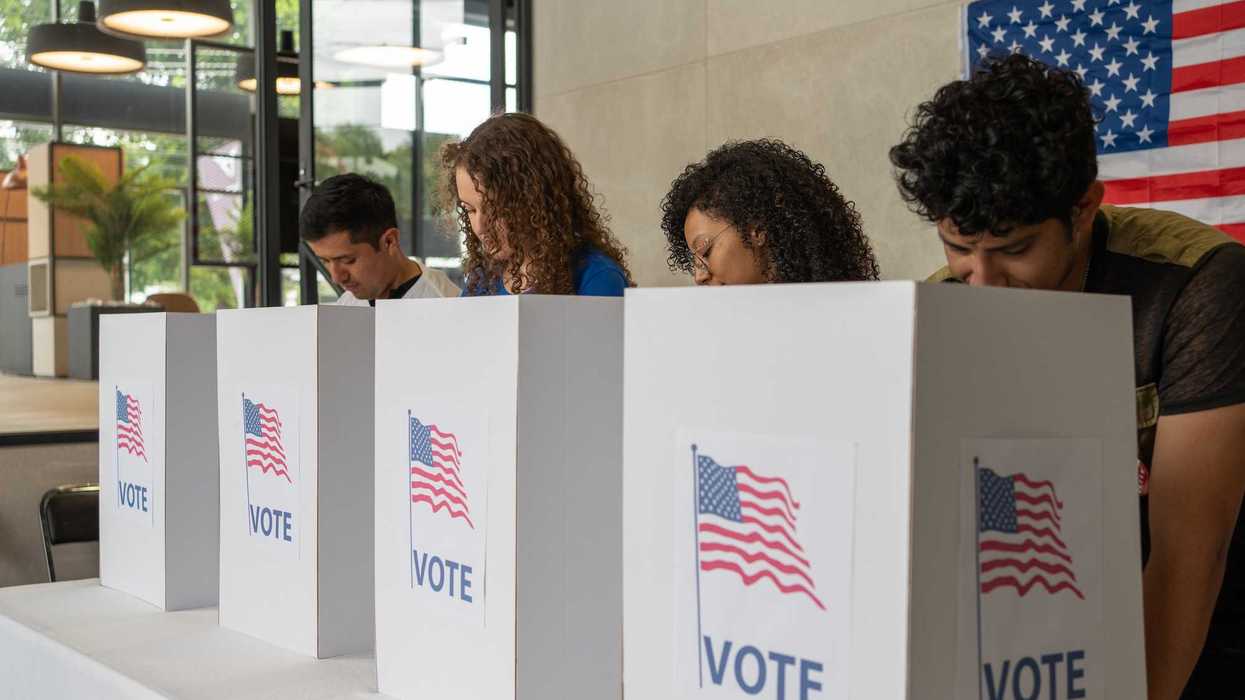
Political groups with names like Keep Kentucky Great and Texas Forever sound innocuous and homegrown, but are largely — and secretly — financed by prominent D.C.-based funding organizations, according to a campaign finance watchdog organization.

The nonpartisan Campaign Legal Center on Thursday filed a 50-page complaint with the Federal Election Commission against 18 of these seemingly local super PACs for allegedly violating federal law by not disclosing their affiliations, and therefore "denying voters the right to know who is spending big money to influence their vote."

Between 2017 and 2020, the 18 super PACs collectively spent more than $200 million to influence voters in competitive federal elections. And nearly all their funding came from five national groups, including the Republican Senate Leadership Fund and the Democratic Senate Majority PAC, the Campaign Legal Center found.


Super PACs can raise and spend unlimited amounts of money to influence federal elections, but unlike traditional political action committees they cannot give directly to political candidates. Instead, they can use their enormous funds on advertising overtly advocating for or against candidates. Super PACs are also mandated by federal law to disclose their donors and affiliations.

The fact that the 18 super PACs in question received most of their funding from established political groups in Washington "clearly demonstrates" an affiliation that qualifies for disclosure, the Campaign Legal Center argues.

For example, the Senate Leadership Fund provided all or nearly all the funding to Peachtree PAC (Georgia), Plains PAC (Iowa and Kansas), Keep Kentucky Great, The Maine Way PAC, Faith and Power PAC (North Carolina), American Crossroads (national), DefendArizona and Mountain Families PAC (West Virginia) in the 2018 or 2020 elections. Similarly, the Senate Majority PAC provided all or the significant majority of the funding for Sunflower State PAC (Kansas), Carolina Blue (North Carolina), Texas Forever, Highway 31 (Alabama) and Red and Gold (Arizona) during those same elections.

In both instances, the super PACs spent millions on congressional elections in key states without disclosing their affiliations to the major fundraising arms of Republican and Democratic leadership in Congress.

A number of the political groups named in the complaint are also considered "pop-up" super PACs because they were created in the final weeks of an election to spend big on one or a handful of congressional races. These super PACs often "strategically timed their spending such that the public did not learn the true source of the mystery group's communications until after the election," the complaint says.

"Senior leaders of both parties have been steering money from wealthy special interests to front groups specifically designed to trick voters," said Adav Noti, the nonprofit's senior director of trial litigation and chief of staff. "Voters have a right to know when big money is flowing into their elections from D.C.-based groups hiding their agendas and funding behind fake names."

The Campaign Legal Center hopes their complaint into the super PACs' misconduct prompts "swift investigation and a firm crackdown by the FEC."

The Fulcrum has reached out to all 18 super PACs named in the complaint. Highway 31 offered no comment and others have yet to respond. The Fulcrum will update this article as necessary.

Read More

Celebrating Congressional Excellence: Democracy Awards 2025
United States Capitol in Washington, D.C.

Celebrating Congressional Excellence: Democracy Awards 2025

In a moment of bipartisan celebration, the Congressional Management Foundation (CMF) will honor the winners of its 2025 Democracy Awards, spotlighting congressional offices that exemplify outstanding public service, operational excellence, and innovation in governance.

The ceremony, scheduled for this Thursday, September 18, 2025, in Washington, D.C., will recognize both Republican and Democratic offices across multiple categories, reinforcing the idea that excellence in Congress transcends party lines.

Keep ReadingShow less
Political Assassinations Are Part of the “Constitutional Rot” That Afflicts America
Gen Z and the Dangerous Allure of Political Violence

Political Assassinations Are Part of the “Constitutional Rot” That Afflicts America

Americans are learning that democracy is a fragile thing. If it is taken for granted, it can wither almost imperceptibly.

Signs of that withering are everywhere. I won’t rehearse them here.

Keep ReadingShow less
Meacham: Political Violence in America Linked to Deep Questions of Identity and Inclusion

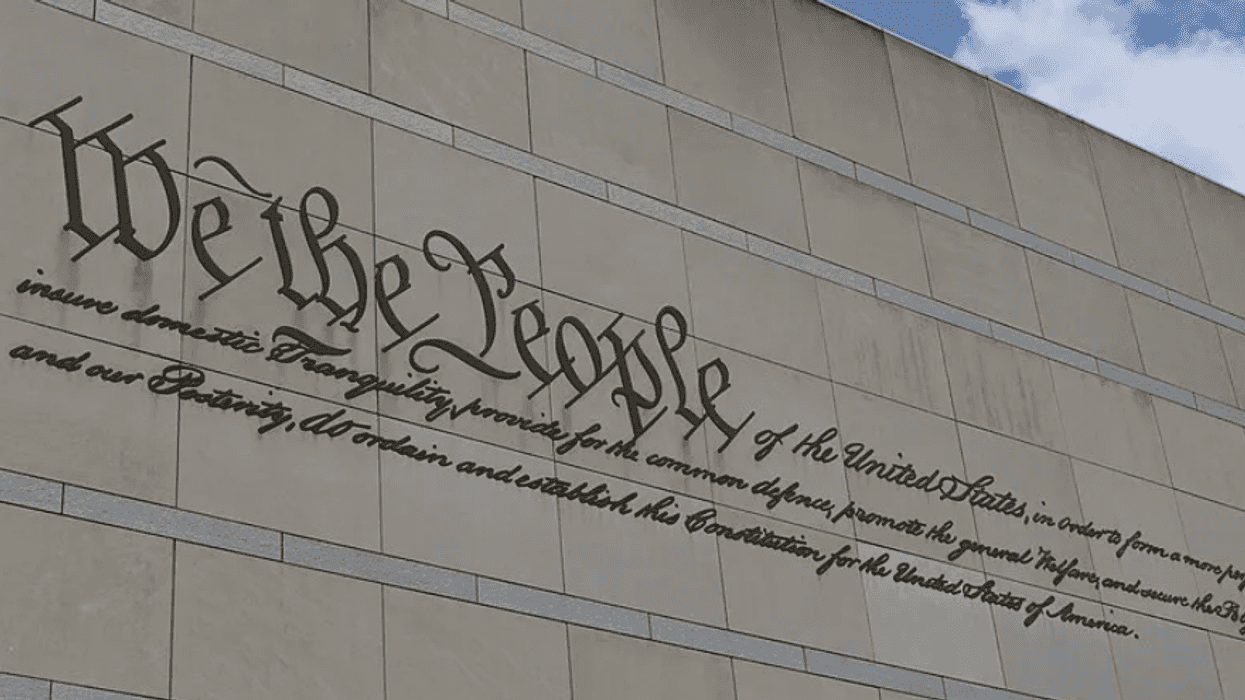
"Who is an American? Who deserves to be included in ‘We the people" - Jon Meacham

AI generated illustration

Meacham: Political Violence in America Linked to Deep Questions of Identity and Inclusion

In a sobering segment aired on CBS Sunday Morning, Pulitzer Prize-winning historian Jon Meacham addressed the escalating wave of political violence in the United States and its implications for the future of American democracy. Speaking with journalist Robert Costa, Meacham reflected on the recent assassination of conservative activist Charlie Kirk and a string of violent incidents targeting political figures and institutions.

"We do not want to be in a place where, because you disagree with someone, you pick up a gun. That is not what the country can be. And if it is, then it's something different. It's not the America we want," he said.

Keep ReadingShow less
Two speech bubbles overlapping each other.

Political outrage is rising—but dismissing the other side’s anger deepens division. Learn why taking outrage seriously can bridge America’s partisan divide.

Getty Images, Richard Drury

Taking Outrage Seriously: Understanding the Moral Signals Behind Political Anger

Over the last several weeks, the Trump administration has deployed the National Guard to the nation’s capital to crack down on crime. While those on the right have long been aghast by rioting and disorder in our cities, pressing for greater military intervention to curtail it, progressive residents of D.C. have tirelessly protested the recent militarization of the city.

This recent flashpoint is a microcosm of the reciprocal outrage at the heart of contemporary American public life. From social media posts to street protests to everyday conversations about "the other side," we're witnessing unprecedented levels of political outrage. And as polarization has increased, we’ve stopped even considering the other political party’s concerns, responding instead with amusement and delight. Schadenfreude, or pleasure at someone else’s pain, is now more common than solidarity or empathy across party lines.

Keep ReadingShow less