

Skip to content
Search

Latest Stories

Follow Us:
Top Stories

Podcast: A deep dive into the administrative state

Podcast: A deep dive into the administrative state

The passage of the Inflation Reduction Act shines a light on the administrative state. How will the billions of dollars for Medicaid, green energy, and other provisions be spent and turned into policy? With the help of people whose jobs are largely nonpartisan and non-political. Complaints about government bureaucracy are nothing new but have recently moved beyond rhetoric to a concerted attack on policy implementation.

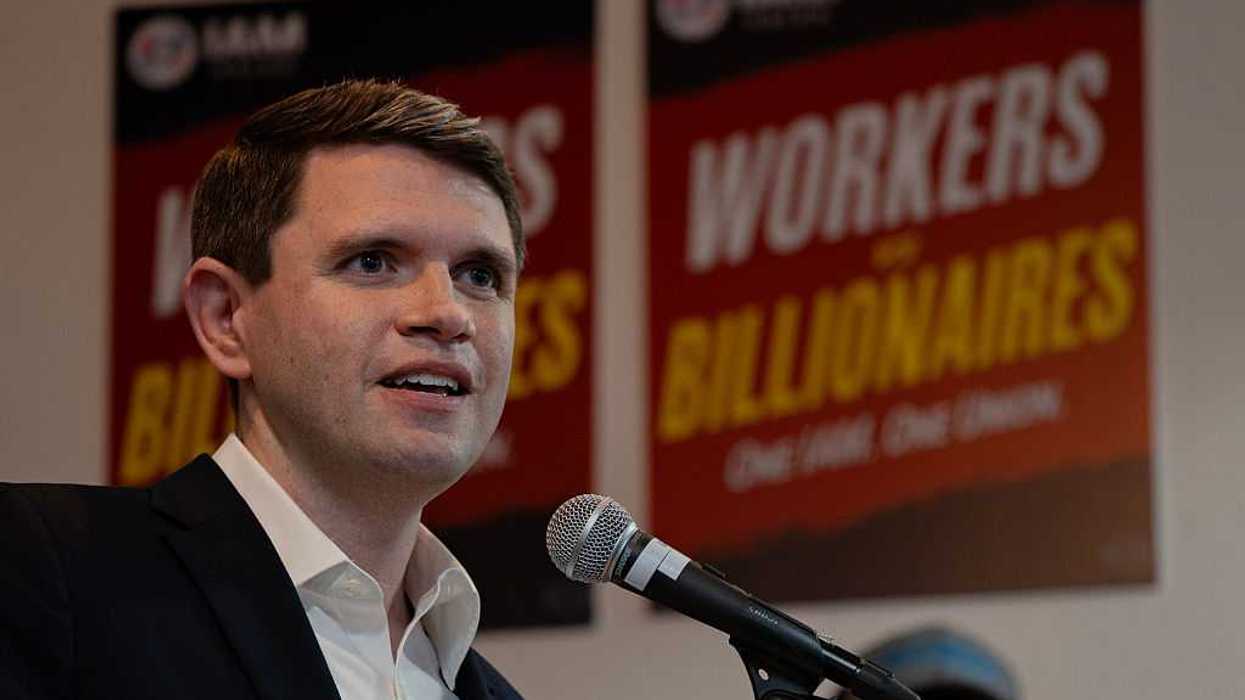
Don Moynihan, the McCourt Chair at the McCourt School of Public Policy at Georgetown, writes about the administrative state in his newsletter, Can We Still Govern? He joins the “Democracy Works” podcast to discuss the promise of the Inflation Reduction Act, the looming peril of Schedule F, and whether a bipartisan, policy-focused coalition can emerge in 2022 and beyond.

https://open.spotify.com

Read More

artificial intelligence

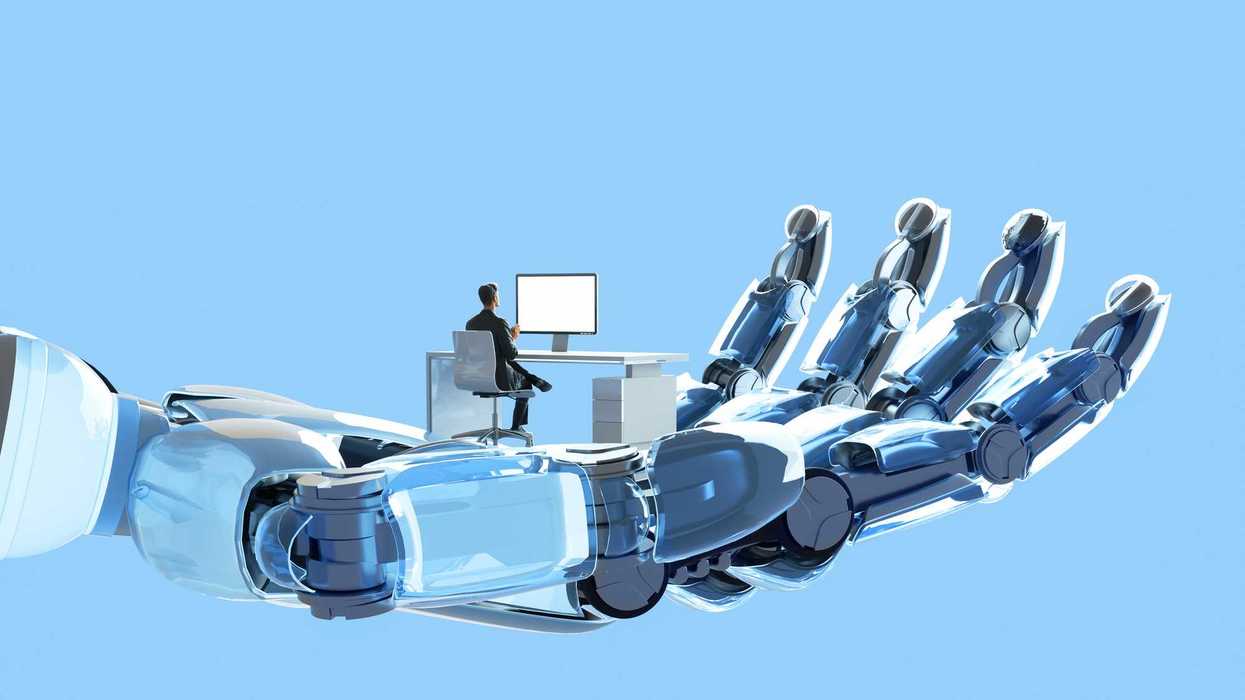
Rather than blame AI for young Americans struggling to find work, we need to build: build new educational institutions, new retraining and upskilling programs, and, most importantly, new firms.

Surasak Suwanmake/Getty Images

Blame AI or Build With AI? Only One Approach Creates Jobs

We’re failing young Americans. Many of them are struggling to find work. Unemployment among 16- to 24-year-olds topped 10.5% in August. Even among those who do find a job, many of them are settling for lower-paying roles. More than 50% of college grads are underemployed. To make matters worse, the path forward to a more stable, lucrative career is seemingly up in the air. High school grads in their twenties find jobs at nearly the same rate as those with four-year degrees.

We have two options: blame or build. The first involves blaming AI, as if this new technology is entirely to blame for the current economic malaise facing Gen Z. This course of action involves slowing or even stopping AI adoption. For example, there’s so-called robot taxes. The thinking goes that by placing financial penalties on firms that lean into AI, there will be more roles left to Gen Z and workers in general. Then there’s the idea of banning or limiting the use of AI in hiring and firing decisions. Applicants who have struggled to find work suggest that increased use of AI may be partially at fault. Others have called for providing workers with a greater say in whether and to what extent their firm uses AI. This may help firms find ways to integrate AI in a way that augments workers rather than replace them.

Keep ReadingShow less
Our Doomsday Machine

Two sides stand rigidly opposed, divided by a chasm of hardened positions and non-relationship.

AI generated illustration

Our Doomsday Machine

Political polarization is only one symptom of the national disease that afflicts us. From obesity to heart disease to chronic stress, we live with the consequences of the failure to relate to each other authentically, even to perceive and understand what an authentic encounter might be. Can we see the organic causes of the physiological ailments as arising from a single organ system – the organ of relationship?

Without actual evidence of a relationship between the physiological ailments and the failure of personal encounter, this writer (myself in 2012) is lunging, like a fencer with his sword, to puncture a delusion. He wants to interrupt a conversation running in the background like an almost-silent electric motor, asking us to notice the hum, to question it. He wants to open to our inspection the matter of what it is to credit evidence. For believing—especially with the coming of artificial intelligence, which can manufacture apparently flawless pictures of the real, and with the seething of the mob crying havoc online and then out in the streets—even believing in evidence may not ground us in truth.

Keep ReadingShow less
How Gavin Newsom’s Prop 50 is Reshaping California - For Better or For Worse
Getty Images, Mario Tama

How Gavin Newsom’s Prop 50 is Reshaping California - For Better or For Worse

Prop 50 is redrawing California’s political battlefield, sparking new fears of gerrymandering, backroom mapmaking, and voters losing their voice. We cut through the spin to explain what’s really changing, who benefits, and what it could mean for competitive elections, election reform, and independent voters. Plus, Independent CA-40 candidate Nina Linh joins us to spell out how Prop 50’s map shifts are already reshaping her district - and her race.

Keep ReadingShow less