

Skip to content
Search

Latest Stories

Follow Us:
Top Stories

Podcast: Reducing polarization all by yourself

Podcast: Reducing polarization all by yourself

Across the board— from voter access to questions of race and gender, and views of the economy— the gap between Republicans and Democrats has grown wider in recent years. According to recent polling, a rising share of Americans say that having political conversations with those they disagree with is “ stressful and frustrating ”.

Political polarization and the recent actions of party leaders have prevented compromise and resolution of critical problems.


How Do We Fix It discusses five personal ways to reduce polarization with guest, Kamy Akhavan, Director of the Center for the Political Future at the University of Southern California, and former CEO of the well-known non-partisan site procon.org

Listen now

Read More

Plane on the tamarac in Seattle, Washington

Plane on the tamarac in Seattle, Washington

Photo provided

Trump’s Post-Midterm Contrition Was a Mirage—And Immigrant Communities Are Paying the Price

In the immediate aftermath of the 2026 midterm elections, as voters delivered a decisive blue wave in rebuke of the MAGA agenda, President Donald Trump briefly adopted a tone of political self-reflection. Appearing on CBS’s 60 Minutes, the president conceded that his administration’s sweeping deportation campaign had gone too far and cost Republicans at the ballot box.

“I get very high marks for getting the bad ones out, but I get hurt because we also took people that had good jobs,” Trump admitted during the broadcast, acknowledging that his mass deportation policies might have been “too tough”.

Keep ReadingShow less
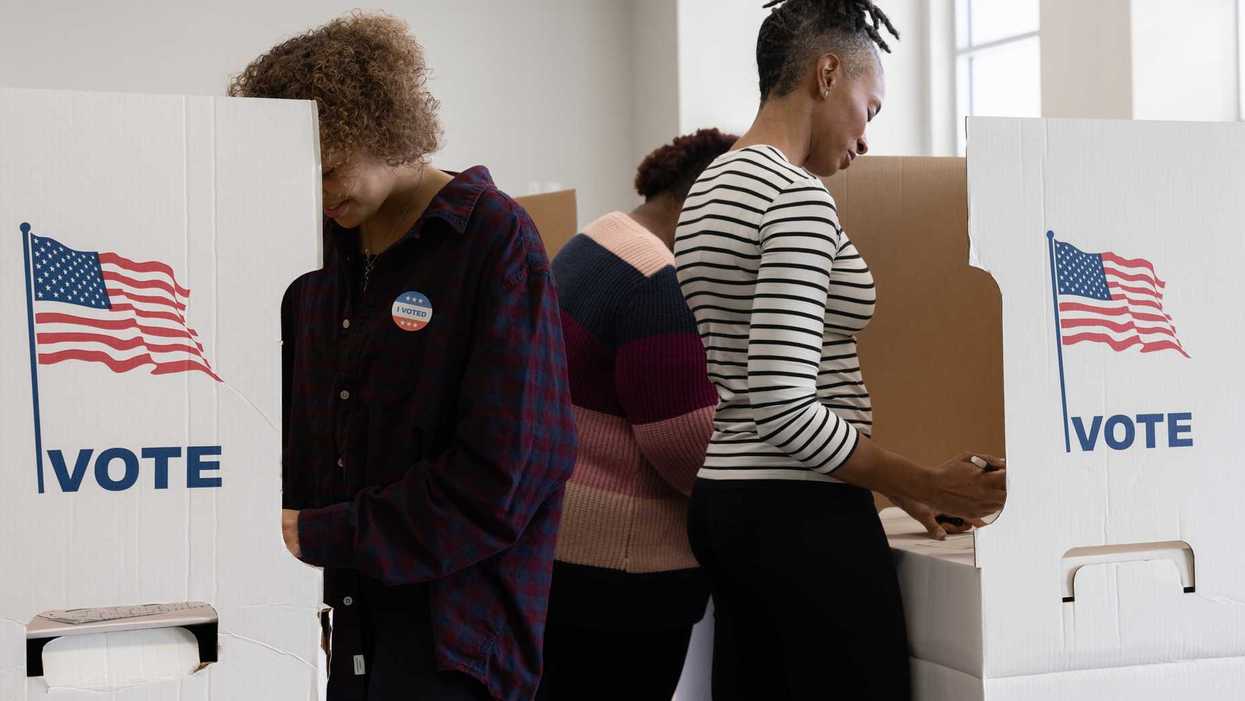
Three women at the polls voting.

Drawing on political psychology and the November 2026 midterm results, this analysis explores how voter expectations around trust and accountability shaped the vote.

LPETTET/Getty Images

When Expectations Become Demands

When I taught voting behavior and political psychology at California State University, Bakersfield, I regularly asked students what qualities they wanted in a president. The answers were familiar—honesty, trustworthiness, fairness, empathy, experience—resembling the lists that appear in national public opinion surveys.

But one semester, a student offered a description I have remembered ever since: “I want the president to be like a really good boyfriend.”

Keep ReadingShow less
The Masculinity Midterms
Sarah Porter for The 19th; Getty Images

The Masculinity Midterms

In April, Republican Rep. Tony Gonzales of Texas resigned after being accused of having improper relationships with staff, including a former staffer who died by suicide. The Republican who ran to replace him, gun influencer Brandon Herrera, known online as “the AK Guy,” had a long history of using profane and misogynistic language to denigrate women.

The district had gone for President Donald Trump by 15 points in 2024. But on Tuesday, Democrat Katy Padilla Stout flipped the seat, which stretches along the U.S.-Mexico border from El Paso to San Antonio. Padilla Stout, a former child welfare attorney and teacher, will be the first Latina to represent the district.

Keep ReadingShow less
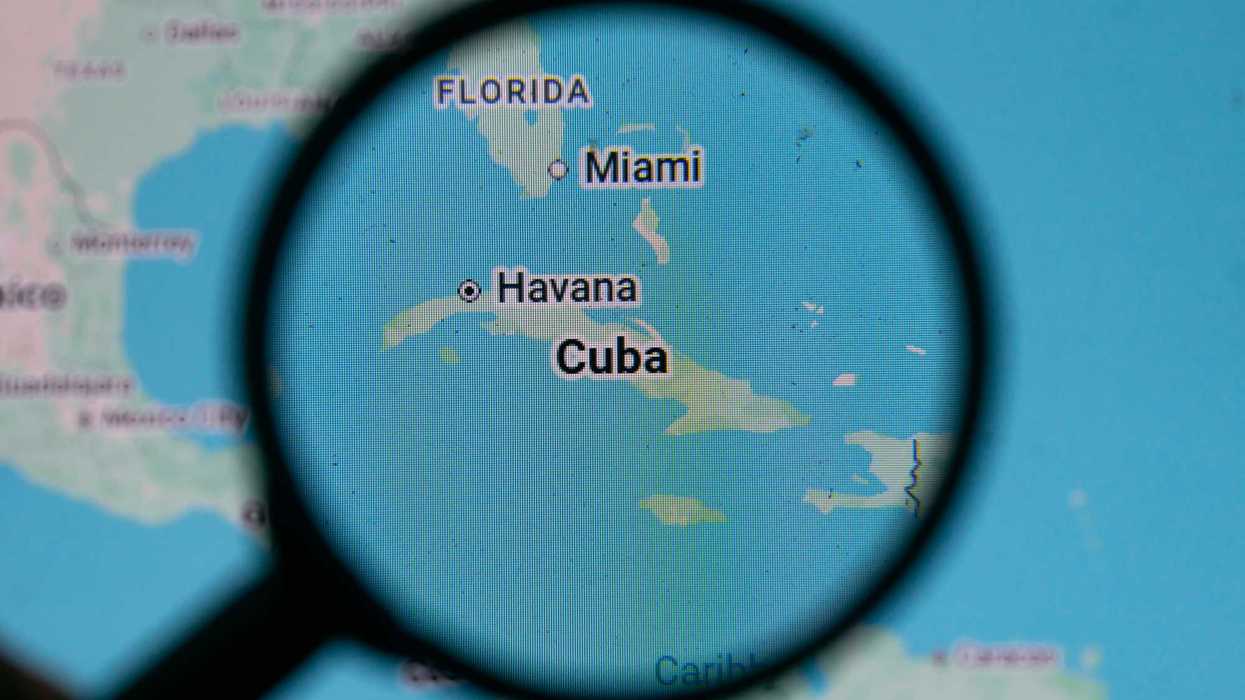
Magnified map showing Cuba and nearby Florida with overlay text tied to Donald Trump, Nicolas Maduro, Miguel Díaz-Canel, politics and military threat context amid rising regional tensions.

After the UN vote on the Cuba embargo dropped to a 30-year low, Washington faces a grid collapse and migration crisis—unless it licenses UN-monitored fuel.

sreeyashlohiya/Getty Images

Trump Won the Cuba Vote. Now He Owns Cuba's Collapse.

Bruno Rodríguez Parrilla did not wait for his turn. While Mike Waltz held up photographs of Cuban leaders wearing luxury watches, Cuba's foreign minister rose from his seat, advanced on the American ambassador, and called him a liar in the General Assembly hall. Waltz told him to back away. Within a day, Washington had expelled a Cuban diplomat it accused of shoving an American colleague, and the annual vote against the US embargo had produced its weakest result in three decades.

The resolution passed, as it has almost every year since 1992. The tally was 130 in favor, 17 against and 25 abstentions. A year ago it drew 165. In 2015 and 2017 it drew 191. Germany and Italy abstained for the first time in 34 years, and Colombia, Costa Rica and Ecuador were among the no votes.

Keep ReadingShow less