
Skip to content
Search

Latest Stories

Follow Us:
Top Stories

Video: What happened in Virginia?

What Happened In Virginia

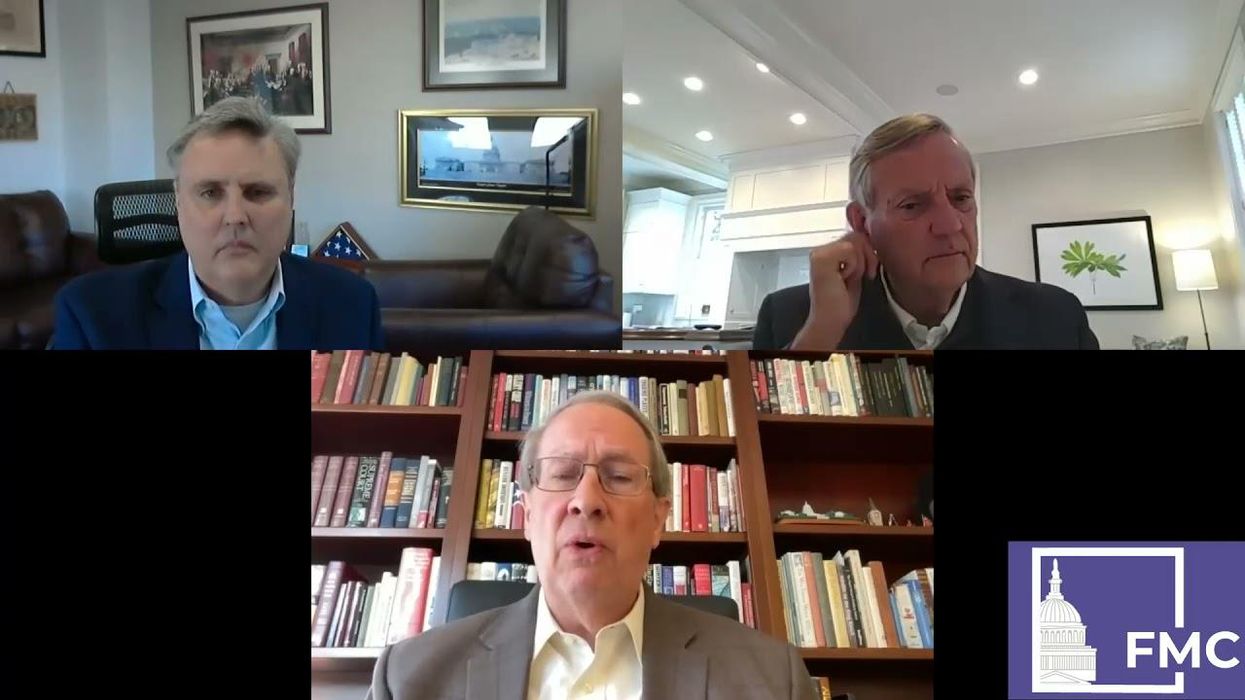
From social media to cable news, all the American public sees from our leaders are partisan attacks and hyperbolic rhetoric, but that's not the way it has to be. To prove it, Former Members of Congress (FMC) and the Fulcrum have joined forces to bring you Congress at a Crossroads.

The monthly video series brings together former members of both parties to discuss the structural issues in today's Congress, as well as the hottest political issues. They won't always agree, but they will always treat each other with respect and civility.


This month, our host, FMC CEO Pete Weichlein sat down with Former Reps. Bob Goodlatte (R-VA) and L.F. Payne (D-VA) to analyze the results of the recent Virginia gubernatorial election, including what Glenn Youngkin did right, how Democrats can regain the ground they lost, and what this means for the 2022 midterm elections.

Read More

FEMA Review Council Proposes Long List of Reforms to Federal Disaster Assistance

The Federal Emergency Management Agency (FEMA) Headquarters Building in Washington, DC.

(Photo by Michael M. Santiago/Getty Images)

FEMA Review Council Proposes Long List of Reforms to Federal Disaster Assistance

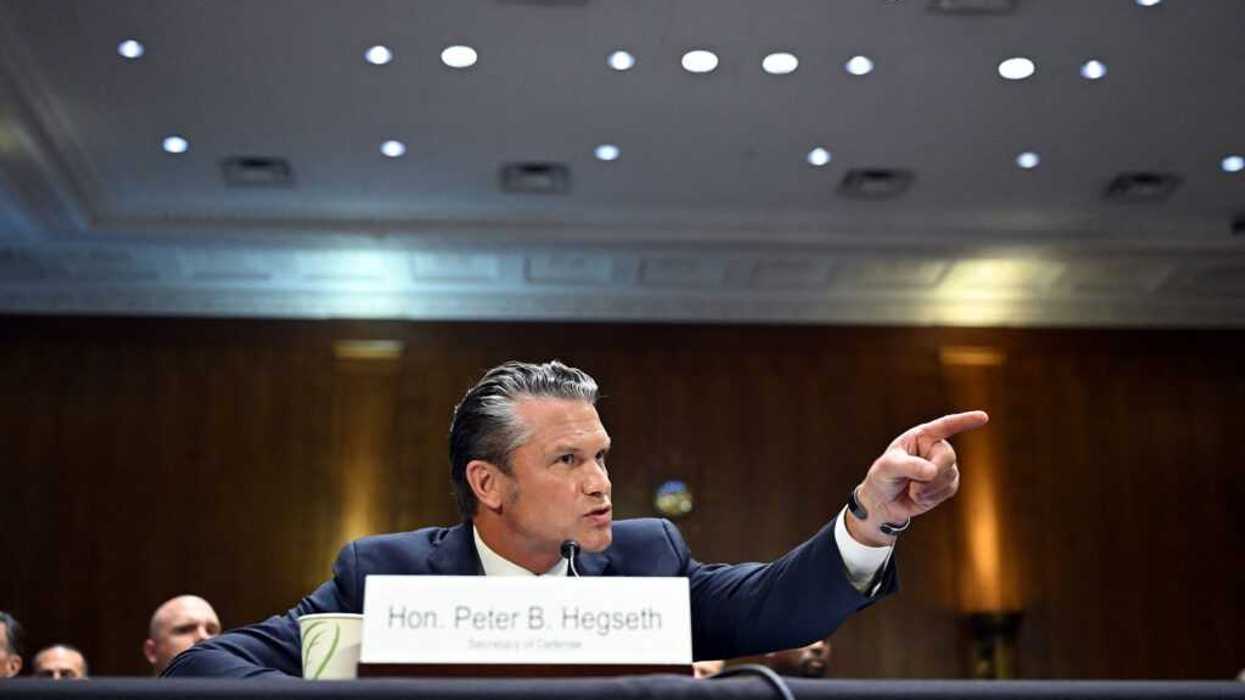
WASHINGTON — Nearly a year after President Donald Trump threatened to abolish the Federal Emergency Management Agency, a review council he appointed released a final report on Thursday to overhaul the agency by reducing administrative costs and shifting responsibility for disaster response to states.

The review council was created in January 2025 through Executive Order 14180. According to the order, the council, led by Homeland Secretary Markwayne Mullin and Defense Secretary Pete Hegseth, was tasked with evaluating and improving the agency's efficacy and disaster response.

Keep ReadingShow less
What Will It Take To Truly Negotiate Paid Leave? Getting to "Yes" on Three Questions
blue and yellow i heart you print textile
Photo by Sandy Millar on Unsplash

What Will It Take To Truly Negotiate Paid Leave? Getting to "Yes" on Three Questions

Everyone in the United States deserves time to care for themselves and their loved ones, whether to see a baby’s first smile or hold the hand of a parent who takes their last. Last month, Virginia became one of a growing number of U.S. jurisdictions enacting statewide paid leave programs—forward-looking states that have taken matters into their own hands in the absence of a federal policy that the vast majority of the public across party lines wants and has wanted for quite some time.

Beginning in 2028, Virginia will join its regional mid-Atlantic neighbors, the District of Columbia, Maryland, Delaware, New Jersey, and New York in guaranteeing this basic protection to millions of workers caring for a new child, a loved one, or their own serious health need. Pennsylvania’s legislature, too, is moving paid leave legislation, and with bipartisan support. Evidence shows that paid family and medical leave programs offer multiple sources of value to workers, families, businesses, and communities.

Keep ReadingShow less
DHS Funding During the Shutdown
Getty Images, Charles-McClintock Wilson

DHS Funding During the Shutdown

When Congress failed to approve funding for the Department of Homeland Security for the remainder of this fiscal year in February, almost all of its employees began to work without pay. That situation changed, however, on April 3, when President Donald Trump issued a memorandum ordering the DHS secretary and director of the Office of Management and Budget to “use funds that have a reasonable and logical nexus to the functions of DHS” to pay its employees and issue back pay.

Trump shifted money to avoid the political embarrassment that would be caused by the collapse of airport security screening through the actions of disgruntled agents and the disruption to air travel that would ensue. But it’s legally dubious.

Keep ReadingShow less
From Colombia to Connecticut: The urgent need to end FGM in the Americas

Journalists gather in front of the Connecticut State Capitol Building during a press conference on SB259 and an anti-FGM art installation

Bryna Subherwal, Equality Now

From Colombia to Connecticut: The urgent need to end FGM in the Americas

Across the Americas, hundreds of thousands of women and girls are living with or have undergone female genital mutilation (FGM). These affected populations are citizens and residents of countries where protections are incomplete, entirely focused on criminalisation, inconsistently enforced, or entirely absent.

FGM is not a “foreign” issue. It is a human rights violation unfolding within national borders, one that all governments in the Americas have the legal and moral responsibility to address.

Keep ReadingShow less