

Skip to content
Search

Latest Stories

Follow Us:
Top Stories

PAC trio sets new standard in early spending on a re-election

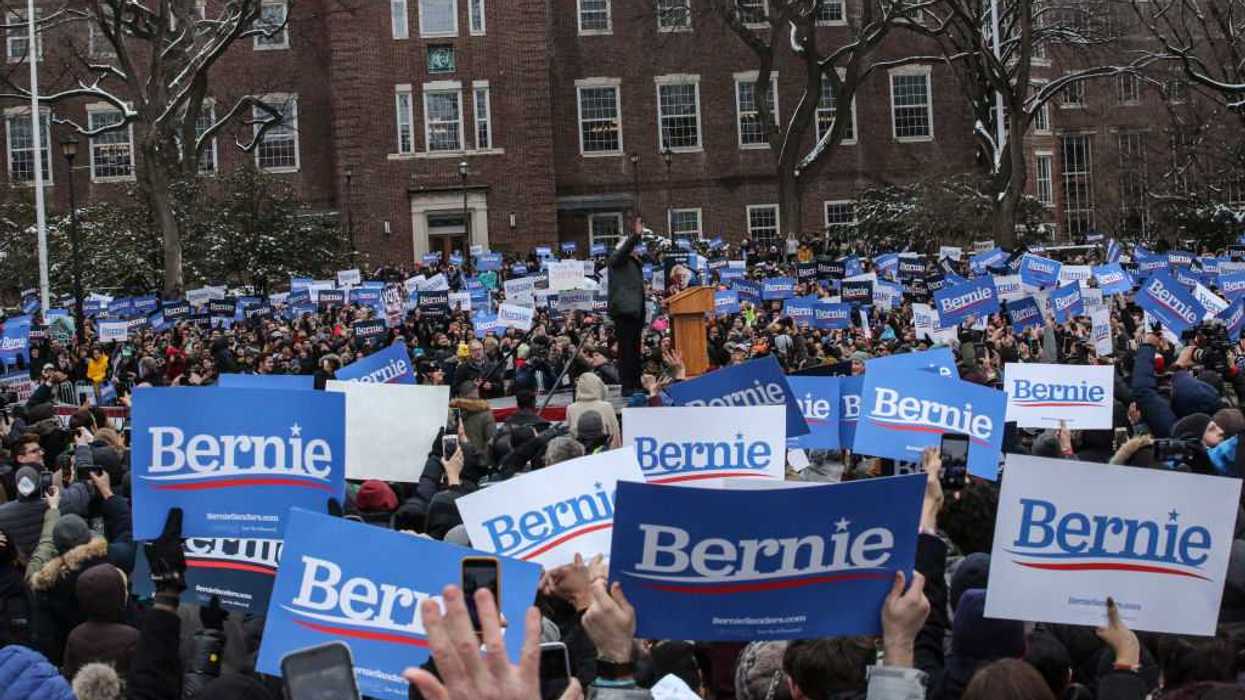
An unprecedented burst of spending by outside groups is heralding the start of President Trump's re-election campaign. "Independent expenditures for multiple hybrid-PACs advocating for Trump's candidacy totaled over $1.27 million since the start of this year," the Center for Responsive Politics reports, while at a similar point in President Obama's re-election campaign such spending totaled a few hundred thousand dollars.

And the three outside spending groups dominating this effort are all linked to Dan Backer, a prominent attorney advocating for a loosening of campaign finance rules: the Committee to Defend the President, the Great America PAC and America Fighting Back PAC.


Read More

Hand placing VOTE sticker on shirt

Hand placing VOTE sticker on shirt

Photo provided

The Latino Vote Keeps Changing. Why Do We Keep Calling It a Realignment?

After the 2024 presidential election, the headlines suggested that Latino voters were moving toward the Republican Party. Donald Trump’s gains were interpreted as evidence of a possible political realignment, particularly among working-class Latino voters and younger men.

Two years later, the story has reversed. Latino voters, we are told, are returning to the Democrats.

Keep ReadingShow less
President Donald Trump and Stephen Miller

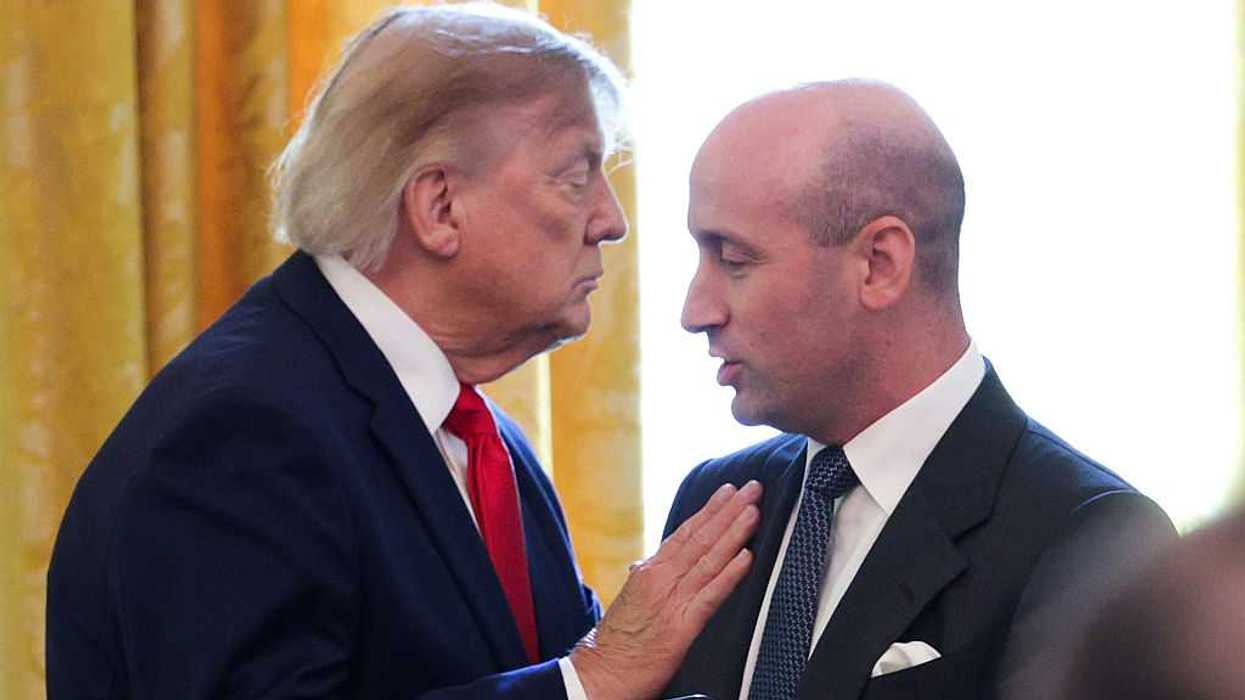
President Donald Trump departs a roundtable discussion on cybercrime with White House Deputy Chief of Staff and Homeland Security Advisor Stephen Miller (R) in the East Room of the White House on October 21, 2026, in Washington, DC.

(Photo by Alex Wong/Getty Images)

Trump’s Elevation of Stephen Miller Proves His Promise to Work With Democrats Is a Farce

In the immediate aftermath of Tuesday’s sweeping midterm election losses, a chastened President Donald Trump struck an unusually conciliatory tone, signaling a willingness to work with Democrats. But the spirit of bipartisanship proved fleeting.

By forcing out Susie Wiles and elevating Stephen Miller to White House Chief of Staff, Trump has delivered a definitive, defiant message to the American electorate: the era of uncompromising grievance and division isn't over—it is being supercharged.

Keep ReadingShow less
economics graph on blackboard

economics graph on blackboard

Getty Images

What Post-1971 Supply-side Economics Has Done to Veterans

Post-1971 supply-side economics—often referred to as "trickle-down economics" or "Reaganomics” fundamentally transformed the relationship between the federal government and military veterans. The year 1971 marked the end of the Bretton Woods system, the closing of the gold window, and a pivot toward neoliberal economic frameworks that prioritized deregulation, sweeping tax cuts, and aggressive federal deficit reduction via domestic spending cuts.

For veterans, who had previously benefited from the expansive, New Deal-style social investments of the original G.I. Bill, this macroeconomic paradigm shift led to four distinct structural consequences:

Keep ReadingShow less
Bank sign
The bank of ornate classical columns and facade
Photo by Leo_Visions on Unsplash

A Bank Account Should Not Come with a Political Litmus Test

The ongoing appetite for "debanking"—pressuring financial institutions to cut off customers because of who they are, what they believe, or with whom they associate—should concern everyone. Why? Because in the end, anyone can become an easy target.

One pressure point has been protests against private banks whose customers are companies who build or operate immigration detention facilities under contracts with the Trump administration. The Boston area saw such protests earlier this year, and there have been others.

Keep ReadingShow less