Skip to content
Search

Latest Stories

Top Stories

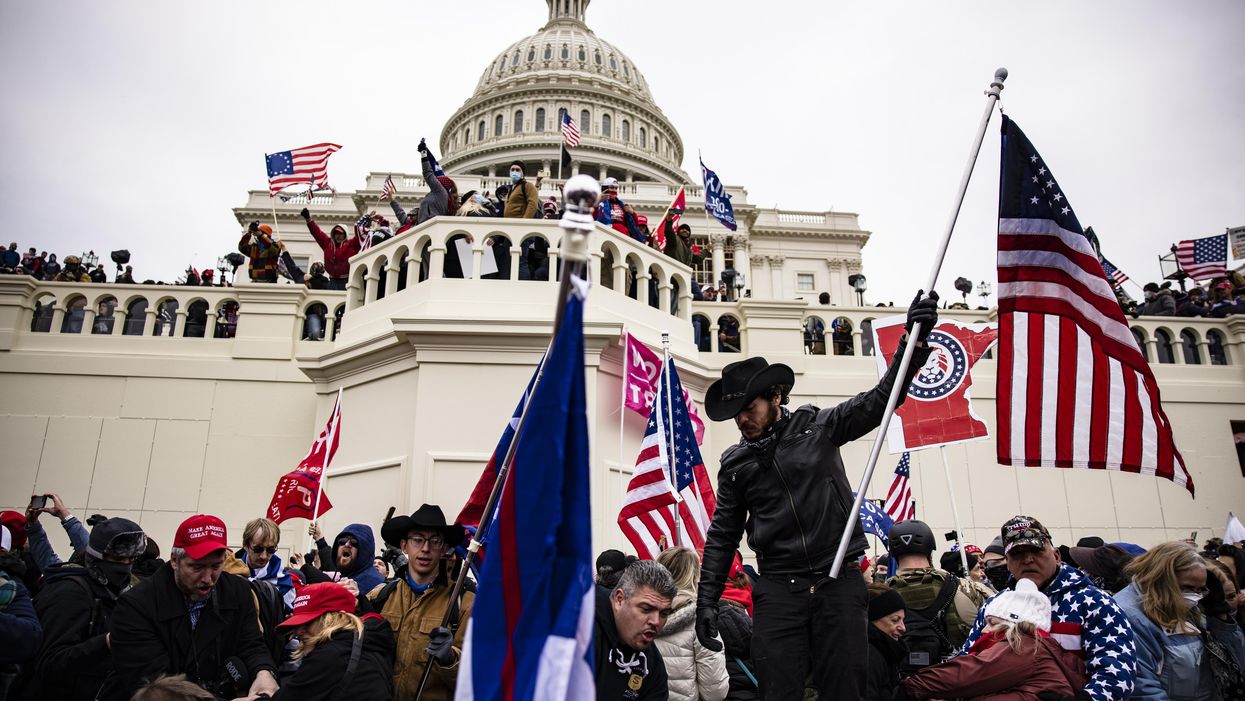
​Images of the day a president's mob sought to defeat democracy

rioters at Capitol
Samuel Corum/Getty Images

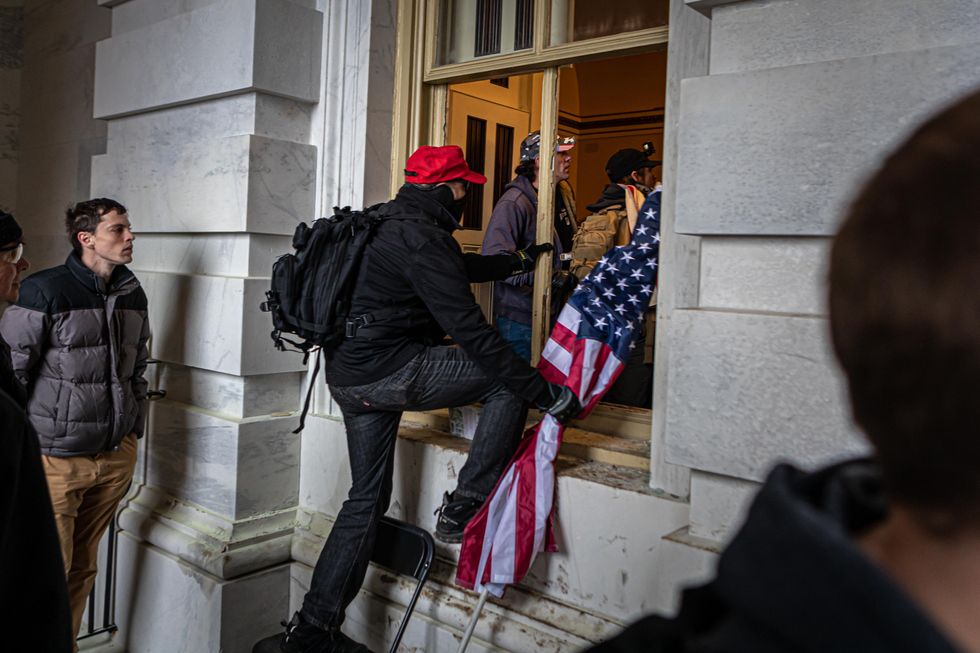
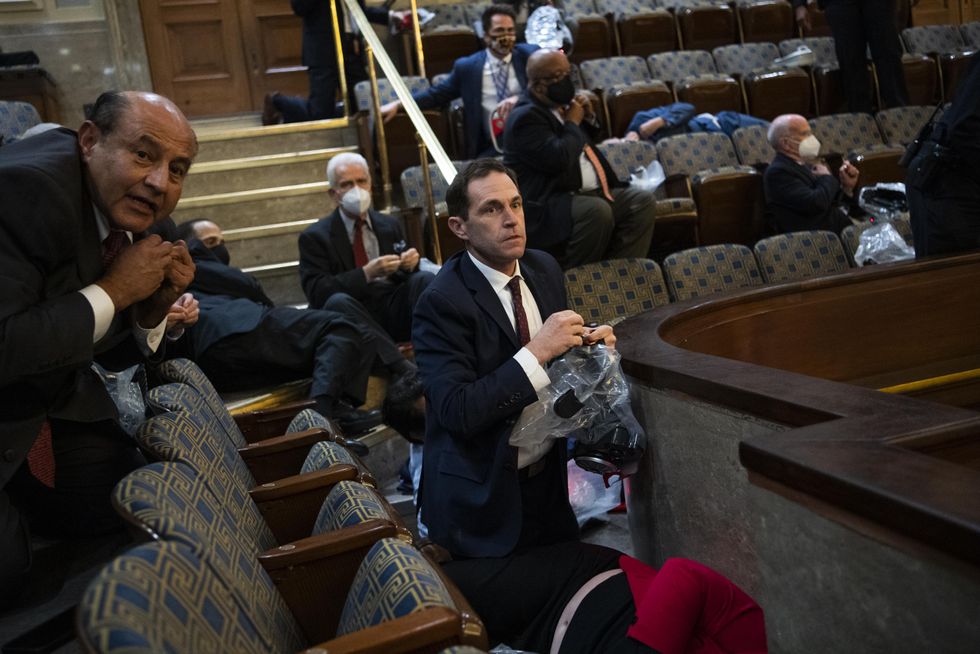
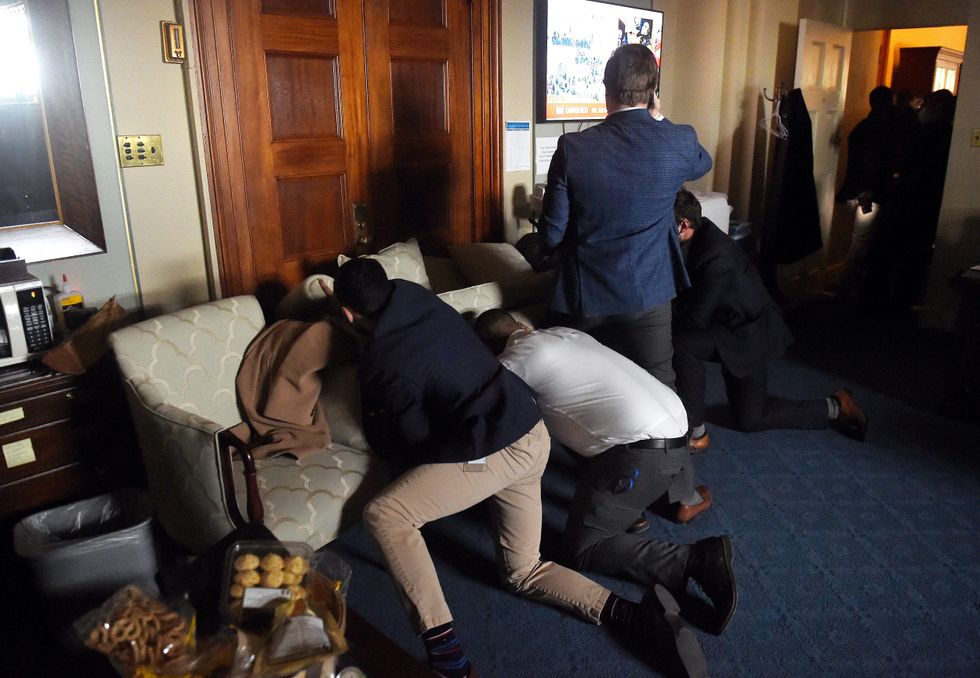
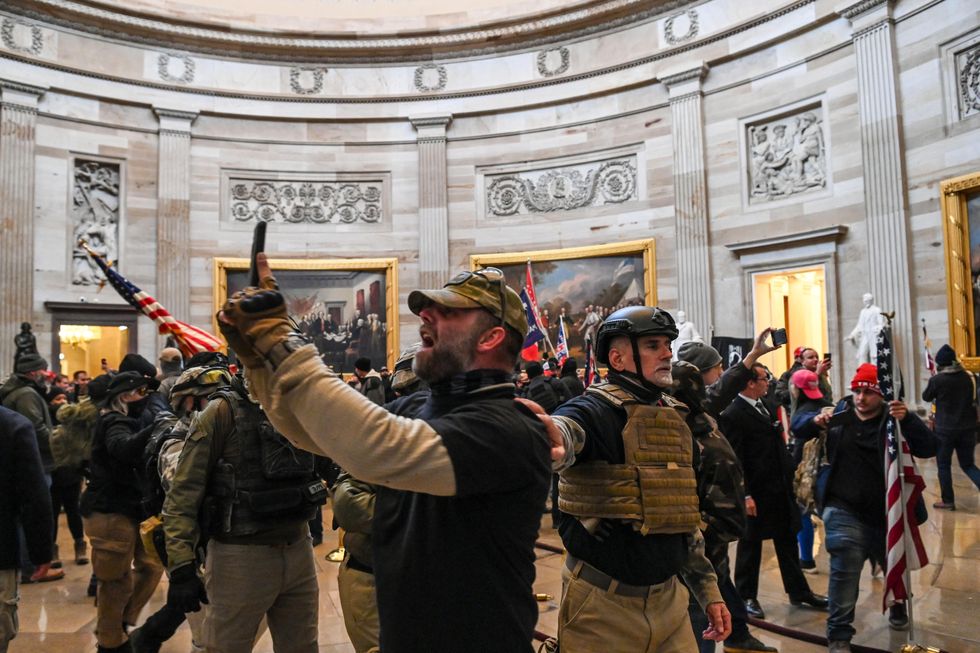
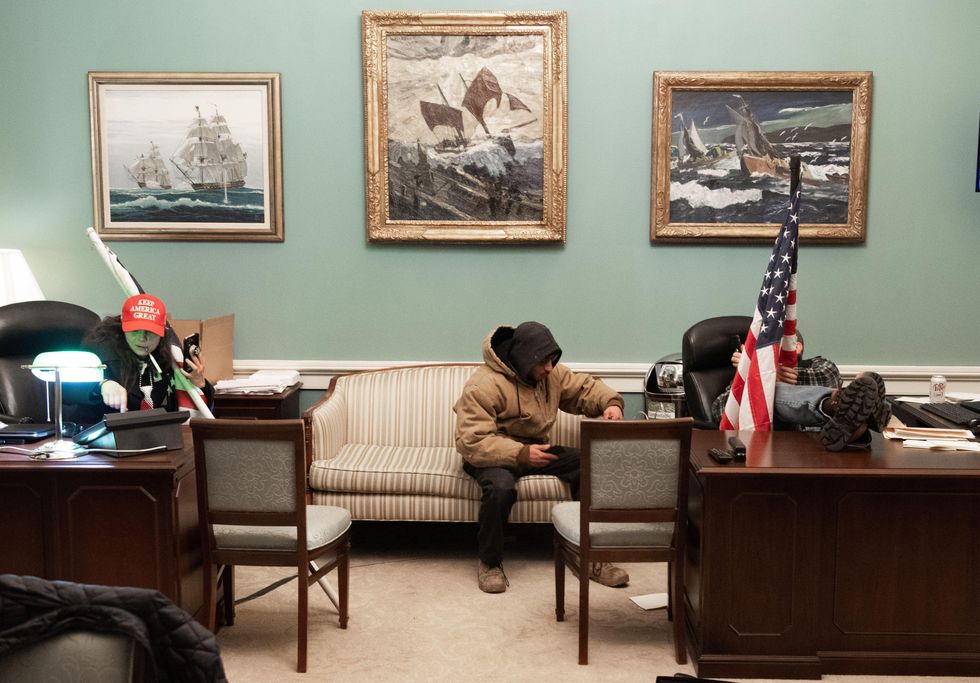
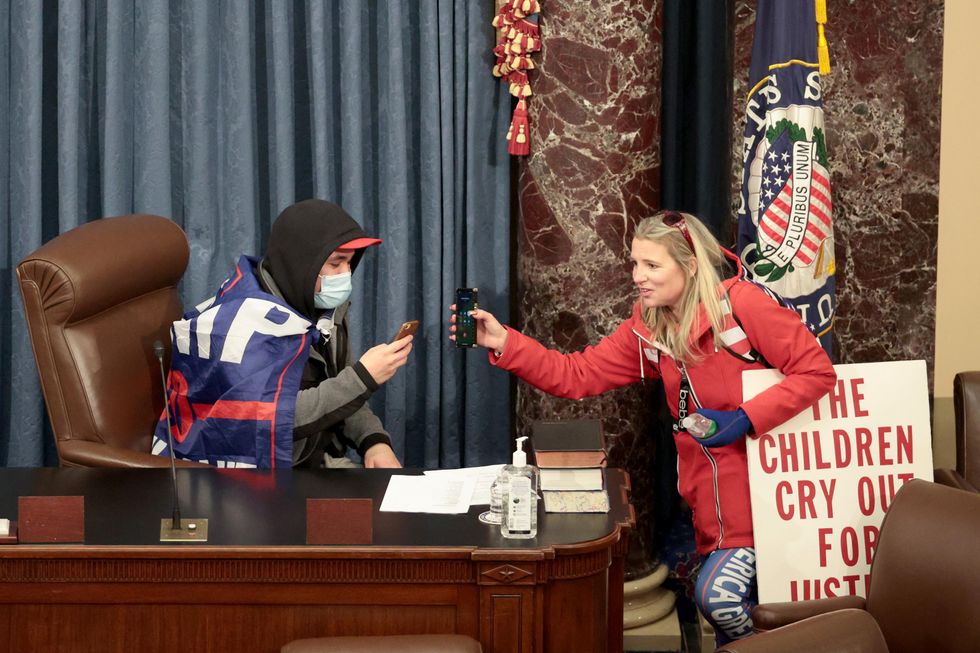
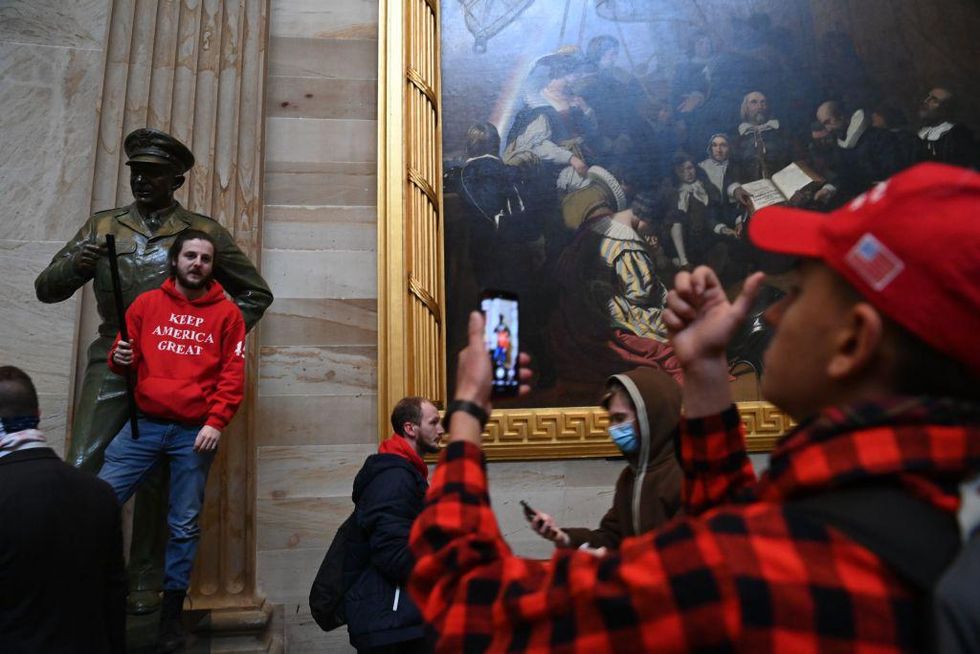
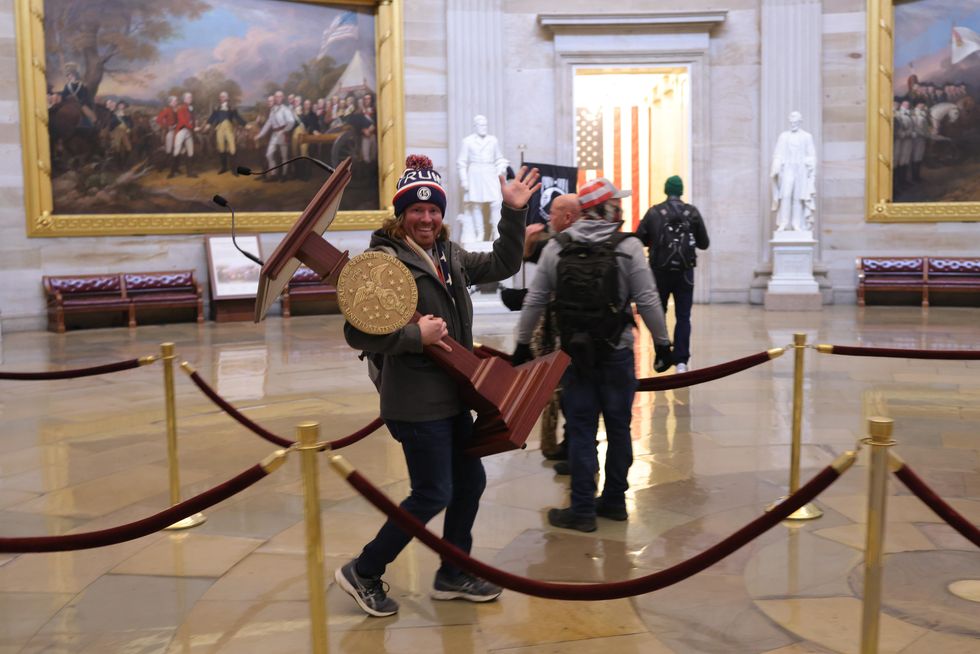
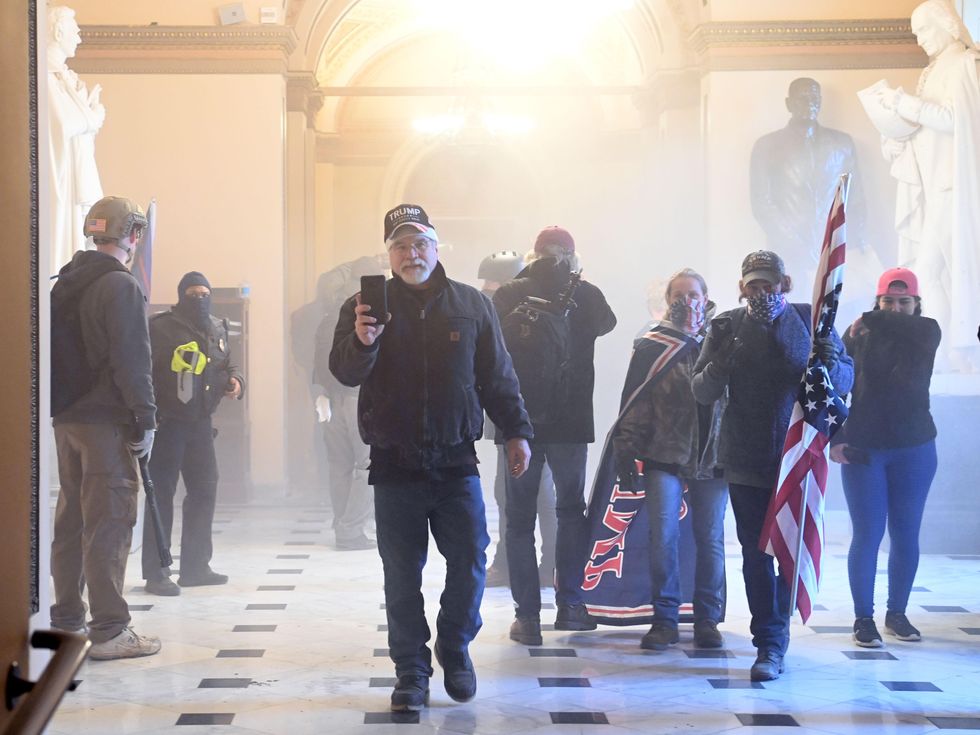
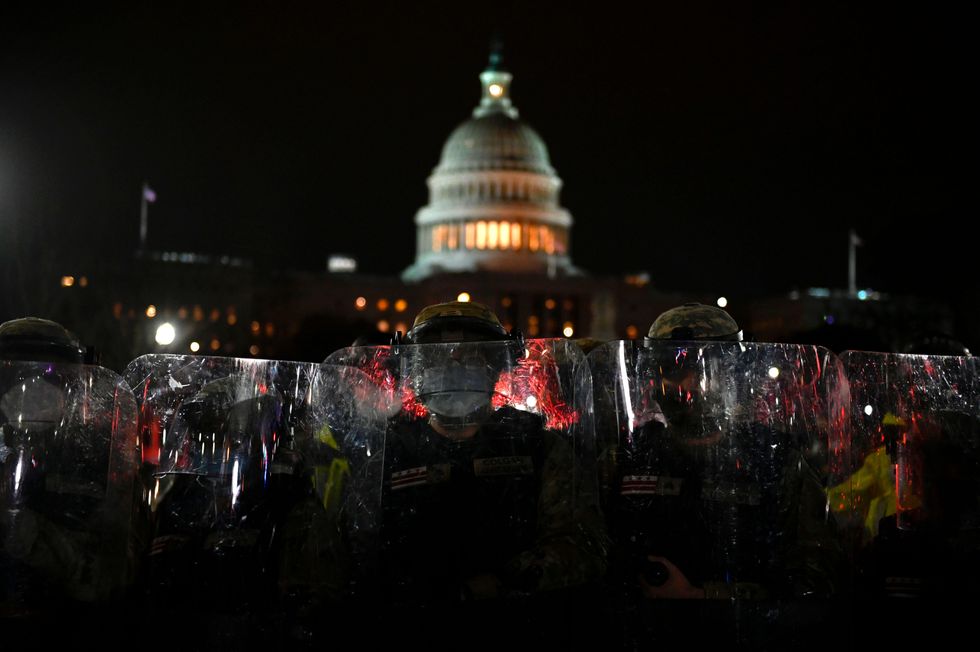
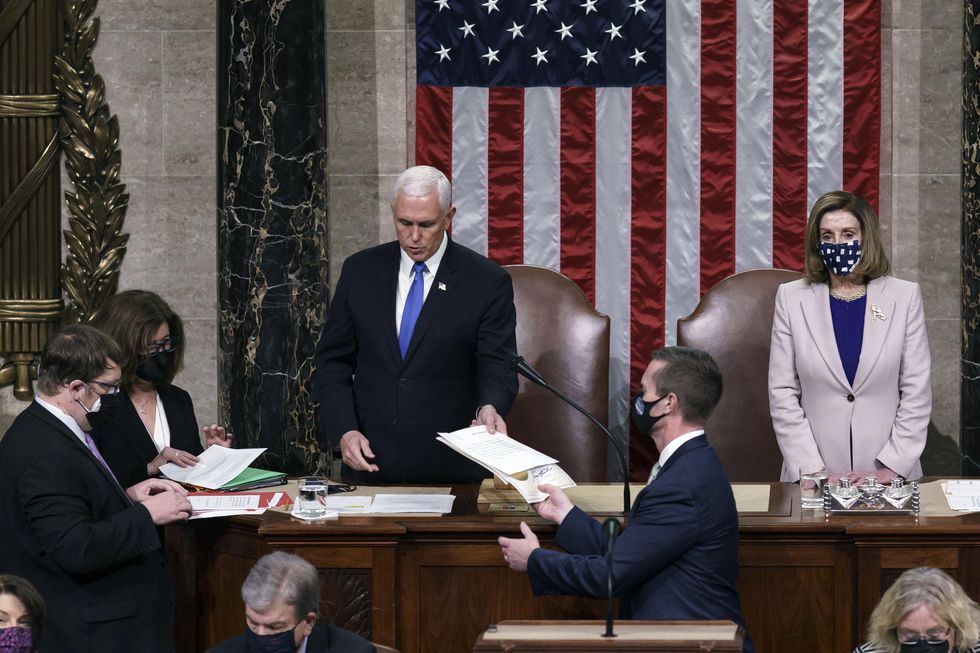
American democracy has been pushed to the precipice: A mob urged on by a defeated president rampaged through the Capitol as the whole world watched, before the unparalleled insurgency was put down and Congress reconvened to affirm early Thursday that a different president had without question been elected.

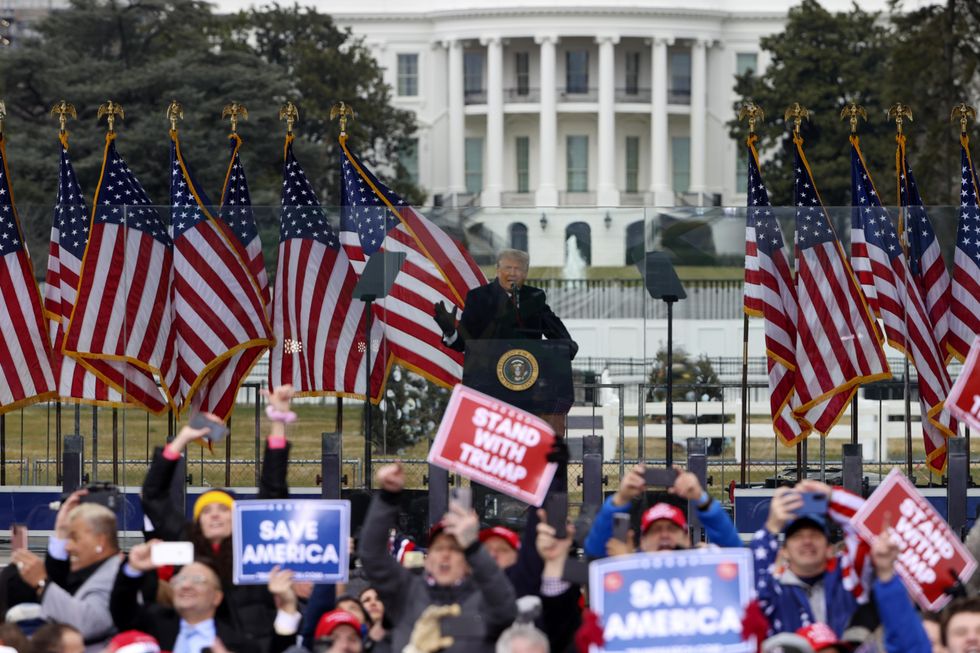
That summary hardly does justice to the shocking, heart-stopping images of the vandalism and violence fueling what amounted to an attempted coup — sedition incited by the most powerful person in the nation, the one most responsible for preserving and protecting the Constitution. Four years after an inaugural address in which he vowed that "American carnage stops right here," the very spot where President Trump stood was overwhelmed Wednesday with rioters wreaking carnage in his name.

There is no shortage of dogged reporting and smart analysis available elsewhere; the news is moving fast and our team is small. And pictures tell the story in ways words cannot convey. For those paying attention to Trump's steadily intensifying assault on the norms of our republic, his encouragement of the climatic occupation of the Capitol is little surprise. But for those worried about the lasting depth of our democracy's challenges, the memories captured in these photographs must never be forgotten.
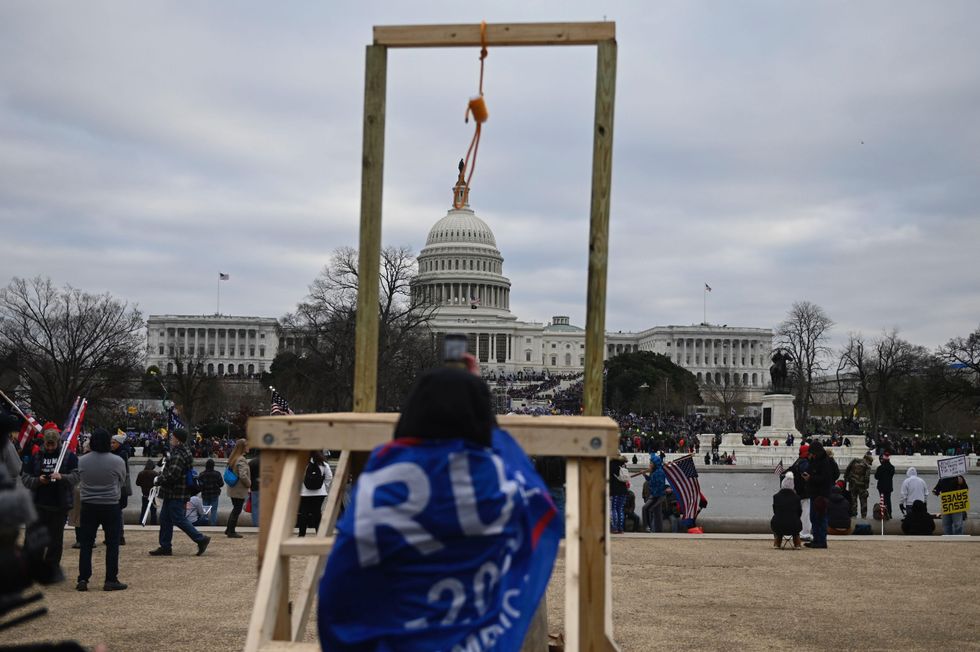
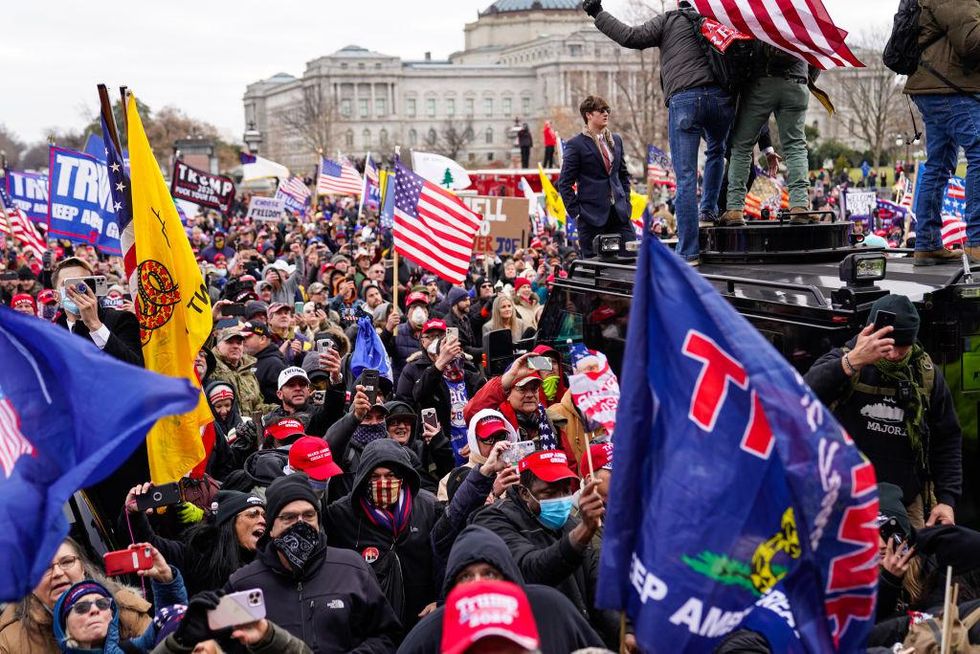
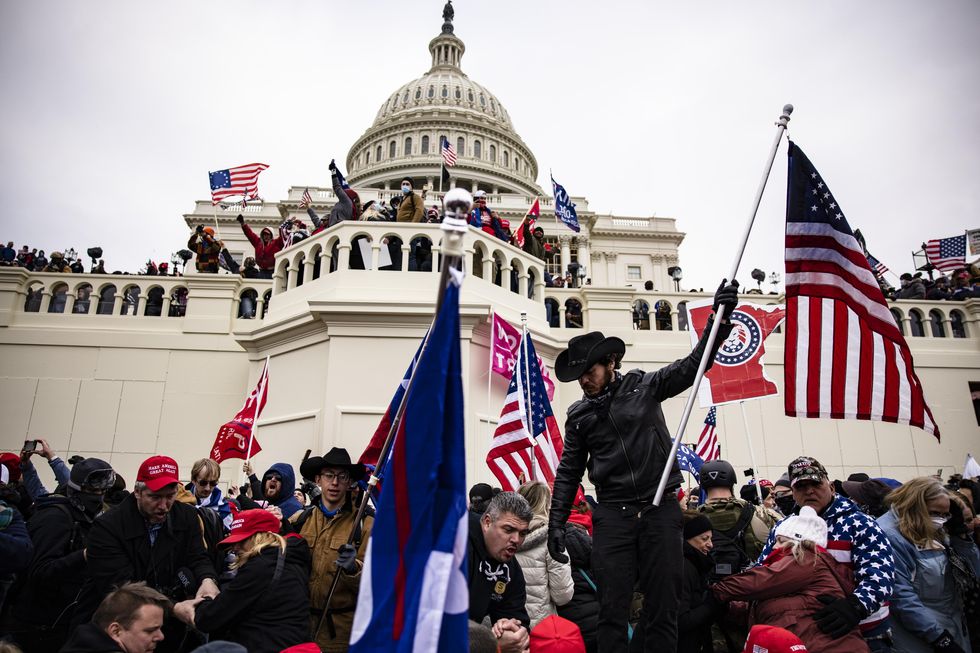
A noose is set up near the Capitol while rioters break into the building. (Andrew Caballero-Reynolds/Getty Images)


Read More

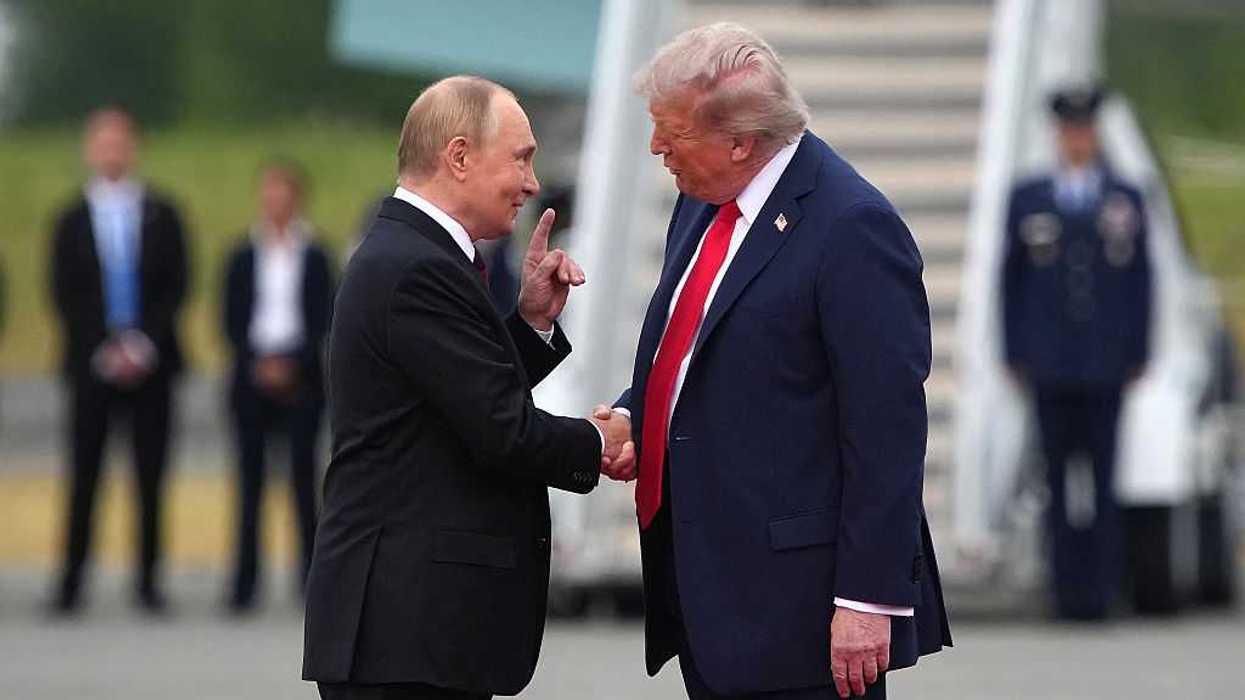
U.S. President Donald Trump greets Russian President Vladimir Putin in front of a landed airplane.

U.S. President Donald Trump (R) greets Russian President Vladimir Putin as he arrives at Joint Base Elmendorf-Richardson on August 15, 2025 in Anchorage, Alaska.

Andrew Harnik/Getty Images

What Would Putin’s Puppet Do Differently?

This winter, Russia plans to freeze Ukraine into submission. According to an intercepted Russian plan, Moscow intends to use hundreds of ballistic missiles, long-range drones, and glide bombs to strike Kyiv, Kharkiv, and Odesa with such intensity that they are cut off from power, heat, and water, slashing electricity and heat by up to 90 percent and crippling sewage systems. Russia hopes that with an energy system so thoroughly destroyed, millions of Ukrainian citizens would become so cold, sick, and desperate that their country might just surrender. Deliberately attacking the heat and water of civilians is a war crime, but Moscow thinks it can get away with it. Ukraine is running short on the Patriot interceptors it needs to stop ballistic missiles, and Putin is betting Trump will continue to betray Ukraine. It’s looking like a safe bet.

Trump shows no evidence to the contrary. On October 9, he got off a call with the Russian president and then immediately lifted U.S. sanctions on Russian diesel. The next day, after Russian strikes killed at least 17 people in Zaporizhzhia, Trump announced it was “time for Ukraine to get a new president.” Days later, the American-controlled satellite network Ukraine’s military depends on was throttled without warning, knocking out service to the drones Ukraine uses to chase down Russian attack drones. Trump denied giving the order, but The Telegraph reported that Musk pitched the idea and Trump agreed.

Keep ReadingShow less
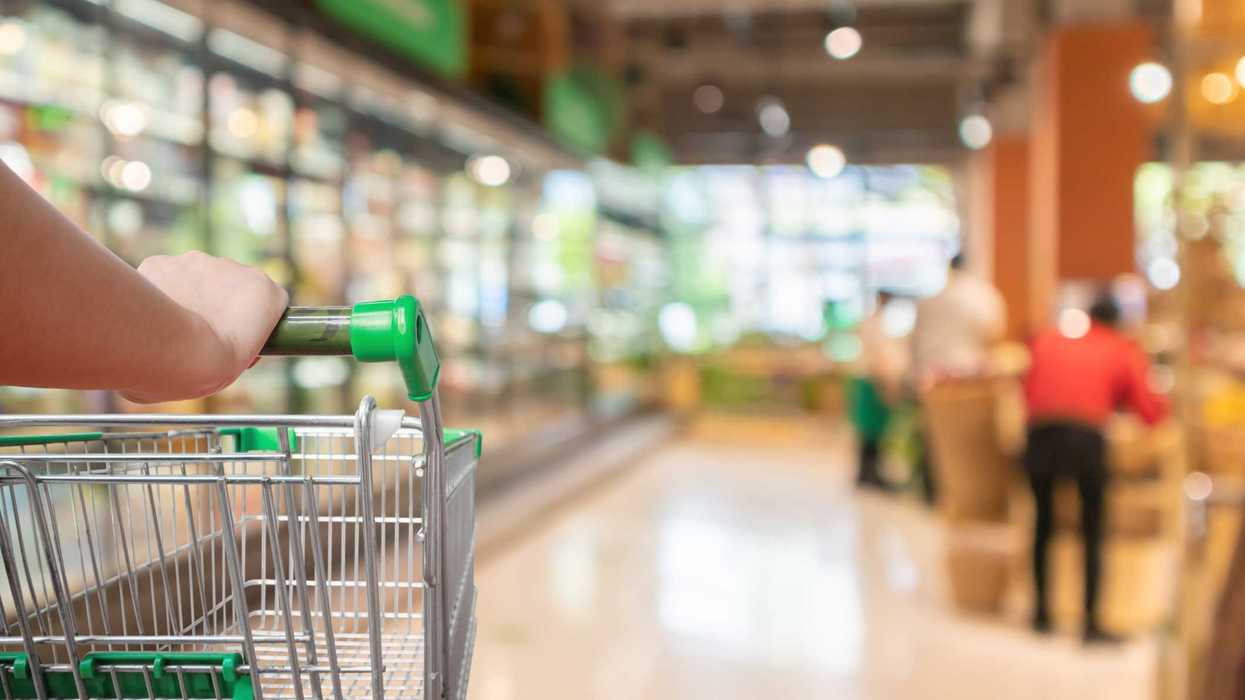
An empty grocery cart in a market.

NYC Mayor Zohran Mamdani proposes five city-run grocery stores. See the arguments for and against, from food deserts to bodega concerns and the $70M cost.

Getty Images, Kwangmoozaa

Government-Owned Grocery Stores: Accessible Nutrition or Government Overreach?

Issue Introduction

Over the past few years, affordability has become the most central issue affecting Americans and the quality of life in the United States. The prices of groceries and basic necessities have risen 25-30% since the COVID-19 pandemic and are projected to rise another 3.2% in 2026. At the same time, the exodus of grocery chains from rural and low-income areas has scattered food deserts throughout individual states. Recent mass closures include Grocery Outlet’s shuttering of 36 stores and continued shut-downs of many Albertsons locations. These factors have led politicians to make affordability a major campaign issue.

During his progressive campaign for mayor of New York City, Zohran Mamdani raised the idea of opening grocery stores owned and operated by the city government to provide New Yorkers with affordable groceries. In his April 2026 public address that marked his first 100 days in office, Mayor Mamdani announced plans for the first of five city-run grocery stores. Mamdani’s proposed initiative will use $70 million in capital funding to build five city-owned municipal stores–one in each borough–and place them under control of the New York City Economic Development Corporation (NYCEDC). NYCEDC will then select third-party operating staff in accordance with city standards for affordability and proper labor practices. Public opinion following the announcement continues to be divided between uproar and support.

Keep ReadingShow less
Land of the Free, Home of the Capitalism Didn’t Fail America. America Failed to Moderate Capitalism
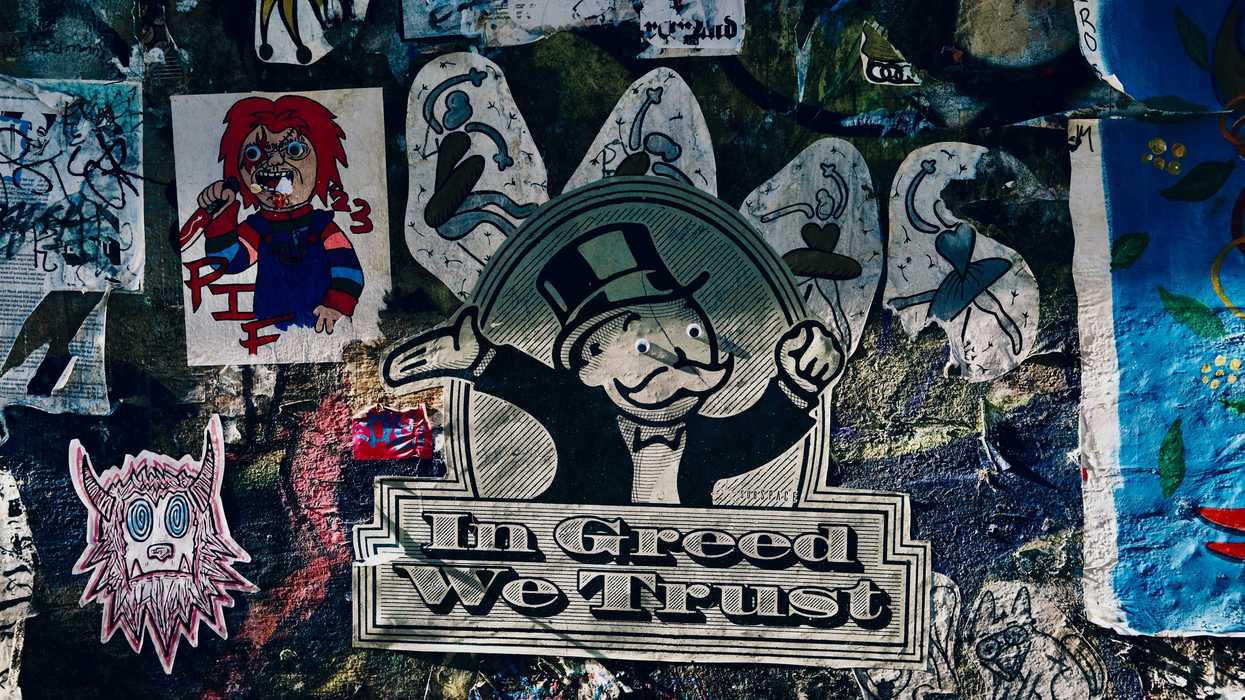
Monopoly's mr. monopoly in a graffiti collage
Photo by Artur Ament on Unsplash

Land of the Free, Home of the Capitalism Didn’t Fail America. America Failed to Moderate Capitalism

The signs are everywhere. For many Americans, buying power has improved only modestly despite decades of economic growth. Corporate profits are at an all-time high. We have reached a level of wealth inequality last seen almost a hundred years ago. By many measures, our capitalist economy seems to have failed to deliver broadly shared prosperity.

However, the failure isn’t with the free market as an economic approach. Instead, it’s our failure to regulate and moderate the free market, or more accurately, that we have spent 40 years undermining or removing the regulations of the New Deal that made our economy work for more Americans.

Keep ReadingShow less