

Skip to content
Search

Latest Stories

Follow Us:
Top Stories

Claim: Coronavirus relief package includes nearly $2 billion for new FBI headquarters. Fact check: True

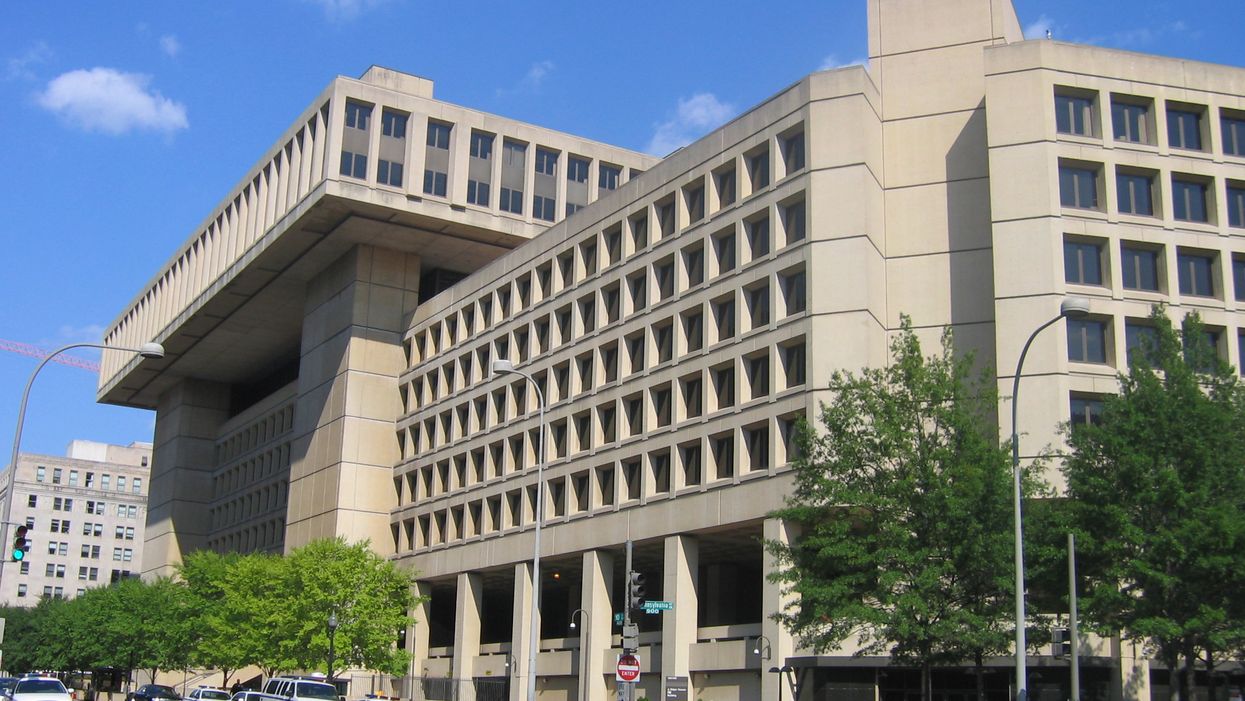
A GOP-proposed, roughly $1 trillion coronavirus relief bill includes nearly $2 billion for a new FBI headquarters.

The new headquarters has been in the works for over a decade. Proponents of the funding say that the FBI has been helpful in fighting increased crime due to Covid-19 and cyber breaches against new vaccines. But opponents say the funding is not directly related to Covid-19 and that the Trump administration has something to gain by keeping the headquarters in downtown Washington, near a Trump hotel, rather than it's proposed move to a suburb of Maryland or Virginia.

And many Senate Republicans have uncharacteristically parted with the Trump administration to rebuke the request.


"I would hope that all non-Covid related measures are out no matter what bills they were in at the start," Senate Majority Leader Mitch McConnell told reporters on Tuesday.

President Trump had previously blocked efforts to move the FBI to the suburbs, and critics believe he is concerned a rival hotel could be developed at the agency's current site.

The GOP and Democrats are still far apart on a new coronavirus relief package after Senate Republicans unveiled their proposal on Monday. Senate leaders have not given firm deadlines for negotiations.

Congress has already passed more than $2.5 trillion to combat the pandemic.

Read More

‘I Can’t Keep Up’: Many Single Moms Were Struggling To Get By. Then Gas Prices Shot Up.

Luna Rosado, a single mom of three in Connecticut, said she is paying about $40 more a week on gas, cutting into her budget for groceries and other essentials.

Courtesy of Luna Rosado; Emily Scherer for The 19th

‘I Can’t Keep Up’: Many Single Moms Were Struggling To Get By. Then Gas Prices Shot Up.

The rise in gas prices happened so quickly, single mom Luna Rosado has barely had time to adjust.

Rosado fills her tank twice a week to commute to her two health care jobs and shuttle her three kids to school, basketball and soccer practice.

Keep ReadingShow less
African American elementary student and his friends studying over computers during a class in the classroom.

A 20-year education veteran examines the decline of student performance in America, highlighting the impact of screen time, overreliance on technology, weak fundamentals, and unequal school funding—and calls for urgent education reform.

Getty Images, StockPlanets

The Mind Is a Terrible Thing to Waste - What To Do

The motto of the United Negro College Fund can today be applied to all children in our school systems—not just the socially disadvantaged, or poor, or intellectually challenged, but all children regardless of SES characteristics or intelligence. I say this based on 20 years of working as a volunteer tutor or staff in elementary and middle schools in various parts of the country.

The problem has several components. The first is the pervasive negative impact on children's minds of their compulsive use of screens, social media, and the internet. There is no shortage of articles that have been written, both scientific and anecdotal, about the various aspects of this negative impact. Research shows that the compulsive use of screen devices leads to a variety of social interaction and psychological problems.

Keep ReadingShow less
Canceled and Silenced: From Instagram Ban to Fears of Censorship

A civil rights attorney reflects on being banned from Instagram, rising censorship, and her parents’ escape from Cuba—drawing chilling parallels between past authoritarian regimes and growing threats to free speech in America.

Getty Images, filo

Canceled and Silenced: From Instagram Ban to Fears of Censorship

I have often discussed my parents' fleeing Cuba, in part, for free speech.

The Washington Post just purged one third of their team, including reporters who are stationed in Ukraine and the middle east, reporting on critical international affairs.

Keep ReadingShow less
Immigration Crackdowns Are Breaking the Food System

Man standing with "Law Enforcement" sign on his vest

Photo provided by WALatinoNews

Immigration Crackdowns Are Breaking the Food System

In using immigration to target Farm and food chain workers, as well as other essential industries like carework, cleaning, and food chains, our federal government is committing us to a food system in danger.

A food system where Farmworkers, meat packers, and other food chain workers are threatened with violence is not a system that will keep families healthy and fed. It is not a system that the soils and waterways of our planet can sustain, and it is not a system that will support us in surviving climate change. We each have a role to take in moving toward a food system free of exploitation.

The threat of immigration enforcement, which has always been hand in hand with racism, makes all workers vulnerable. This form of abuse from employers, landlords, and law enforcement is used to threaten and remove workers who organize against their exploitation. This is true even in places like Washington State, where laws like the Keep Washington Working Act which prohibits local law enforcement agencies from giving any non public information to Federal Immigration officers for the purpose of civil immigration enforcement , and the recently passed HB 2165 banning mask use by law enforcement offer some kind of protection.

Keep ReadingShow less