
Skip to content
Search

Latest Stories

Follow Us:
Top Stories

Webinar rewind: How to make voting healthier and easier this fall

There is still time to create reliable, versatile and healthy election systems nationwide during the coronavirus pandemic — but that will mean getting aid to local administrators quickly and dousing the partisan fire over the virtues and risks of expanded absentee balloting.

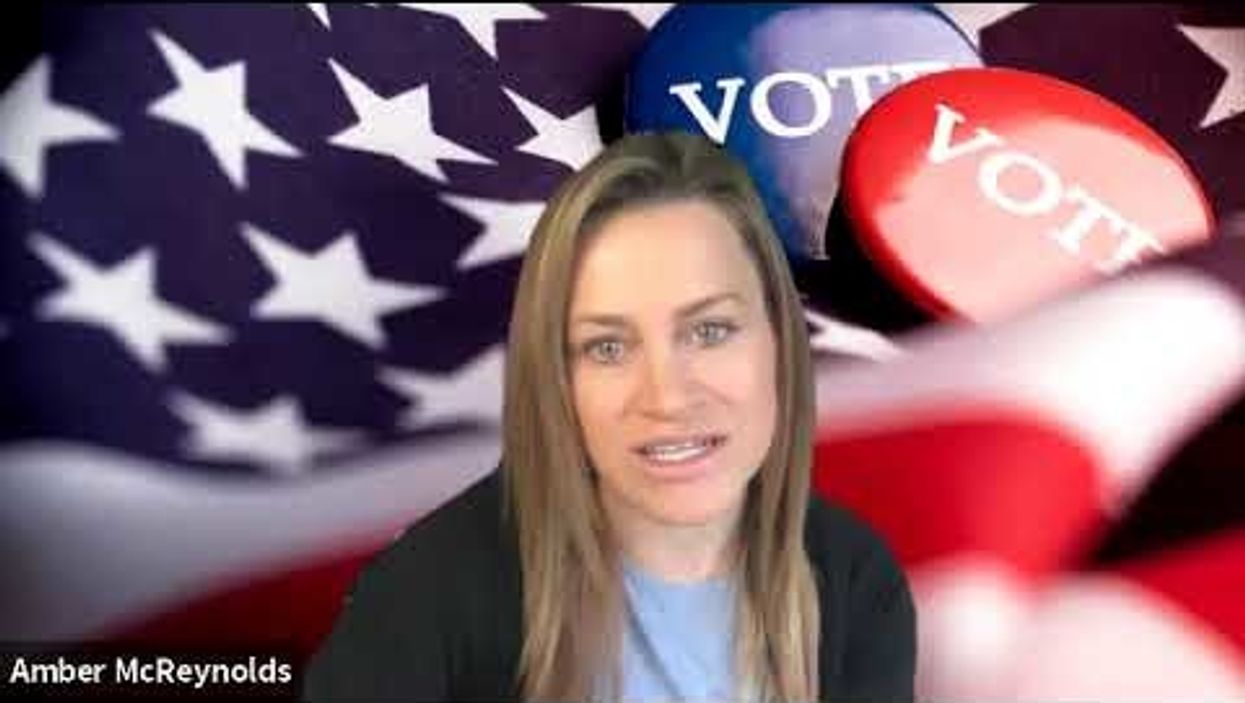
That was one of several important takeaways from our rapid-fire and information-rich April 22 webinar with Amber McReynolds, CEO of the National Vote at Home Institute, and elections expert Tammy Patrick of the Democracy Fund.


Training new poll workers, disinfecting voting sites, and easing absentee rules, registration requirements and early in-person voting timetables are also part of the solution to generating turnout during the public health crisis, they said, and both strongly rebutted the notion that easier voting would incubate fraud.

You can watch their presentations, and all the smart questions and answers above.

Read More

Voters lining up to vote.

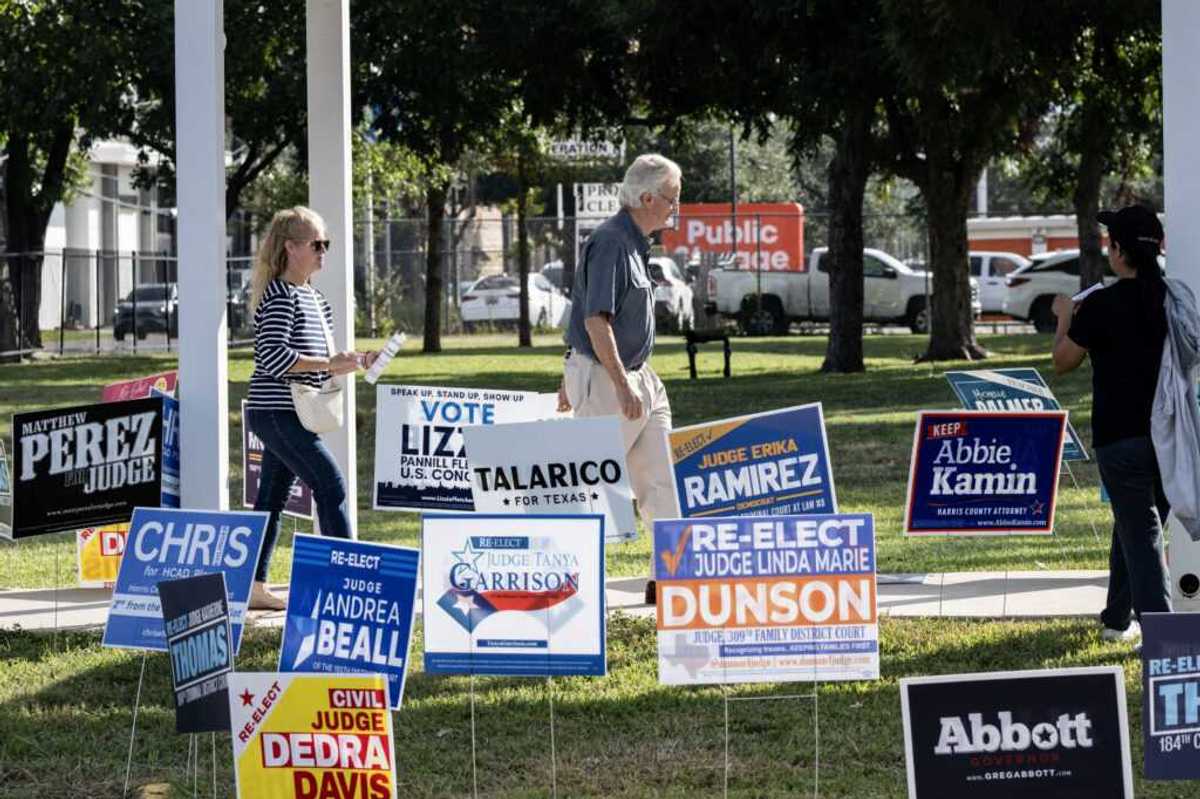
Voters line up at the Oak Lawn Branch Library voting center on Primary Election Day in Dallas on March 3, 2026. Republicans' decision to hold a split primary from the Democrats and to eliminate countywide voting forced Dallas County voters to cast ballots at assigned neighborhood precincts, leading to confusion. Republicans have now decided to use countywide polling locations for the May 26 runoff election.

Shelby Tauber for The Texas Tribune

Dallas County GOP Will Agree To Use Countywide Voting Sites for May 26 Runoff Election

Dallas County Republicans will agree to allow voters to cast ballots at countywide voting sites for the May 26 runoff election after a switch to precinct-based voting sites caused chaos, the county party chair said Tuesday.

Dallas County Republican Chairman Allen West supported the use of precinct-based sites earlier this month, but said using precincts again for the runoff would expose the county party to “increased risk and voter confusion” because the county is planning to use countywide sites for upcoming municipal elections and early voting.

Keep ReadingShow less
People at voting booths.

A clear breakdown of voter ID laws under the Constitution, federal statutes, and court rulings—plus analysis of new Trump administration proposals to impose nationwide voter identification requirements.

Getty Images, LPETTET

Just the Facts: Voter ID, States’ Powers, and Federal Limits

The Fulcrum approaches news stories with an open mind and skepticism, presenting our readers with a broad spectrum of viewpoints through diligent research and critical thinking. As best we can, remove personal bias from our reporting and seek a variety of perspectives in both our news gathering and selection of opinion pieces. However, before our readers can analyze varying viewpoints, they must have the facts.


Few issues generate more heat and are less understood than voter ID.

Keep ReadingShow less
A person signing a piece of paper with other people around them.

Javon Jackson, center, was able to register to vote following passage of a 2019 Nevada law that restored voting rights to formerly incarcerated individuals.

The Nation Is Missing Millions of Voters Due to Lack of Rights for Former Felons

If you gathered every American with a prison record into one contiguous territory and admitted it to the union, you would create the 12th-largest state. It would be home to at least 7 million to 8 million people and hold a dozen votes in the Electoral College.

In a close presidential race, this hypothetical state of the formerly incarcerated could decide who wins the White House.

Keep ReadingShow less
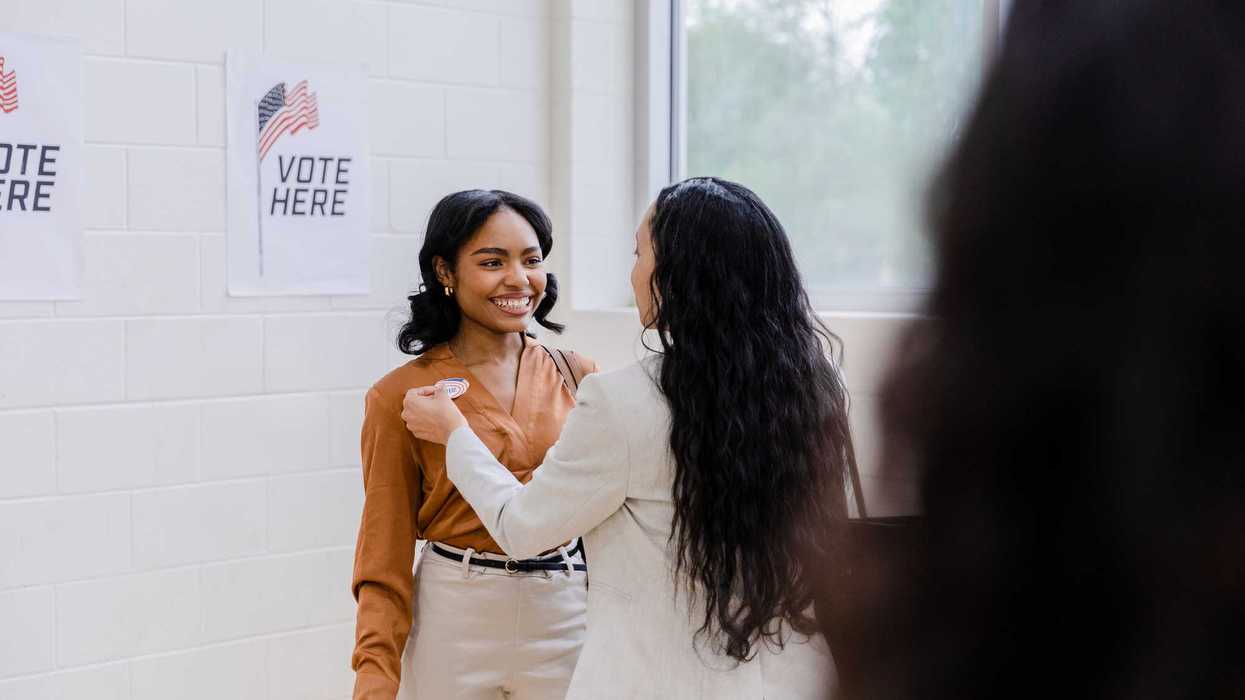
With the focus on the voting posters, the people in the background of the photo sign up to vote.

An analysis of Trump’s SAVE Act strategy, the voter ID debate, and how Pew data is being misused—exploring election integrity, voter suppression, and the political fight shaping U.S. democracy.

Getty Images, SDI Productions

Stop Fighting Voter ID. Start Defining It.

President Trump doesn't need the SAVE America Act to pass. He only needs the debate to continue. Every minute spent arguing about voter suppression repeats the underlying premise — that noncitizen voting is a real and widespread problem — until it feels like an established fact. The question is whether Democrats will contest Republicans’ definition before the frame hardens.

Trump's claim that 88% of Americans support the bill traces to a Pew Research Center survey — a survey that found 83% support a “government-issued photo ID to vote,” not extreme vetting for proof of citizenship. That support included 95% of Republicans and 71% of Democrats, indicating genuine, broad, bipartisan support for a basic civic principle. That's worth taking seriously.

Keep ReadingShow less