
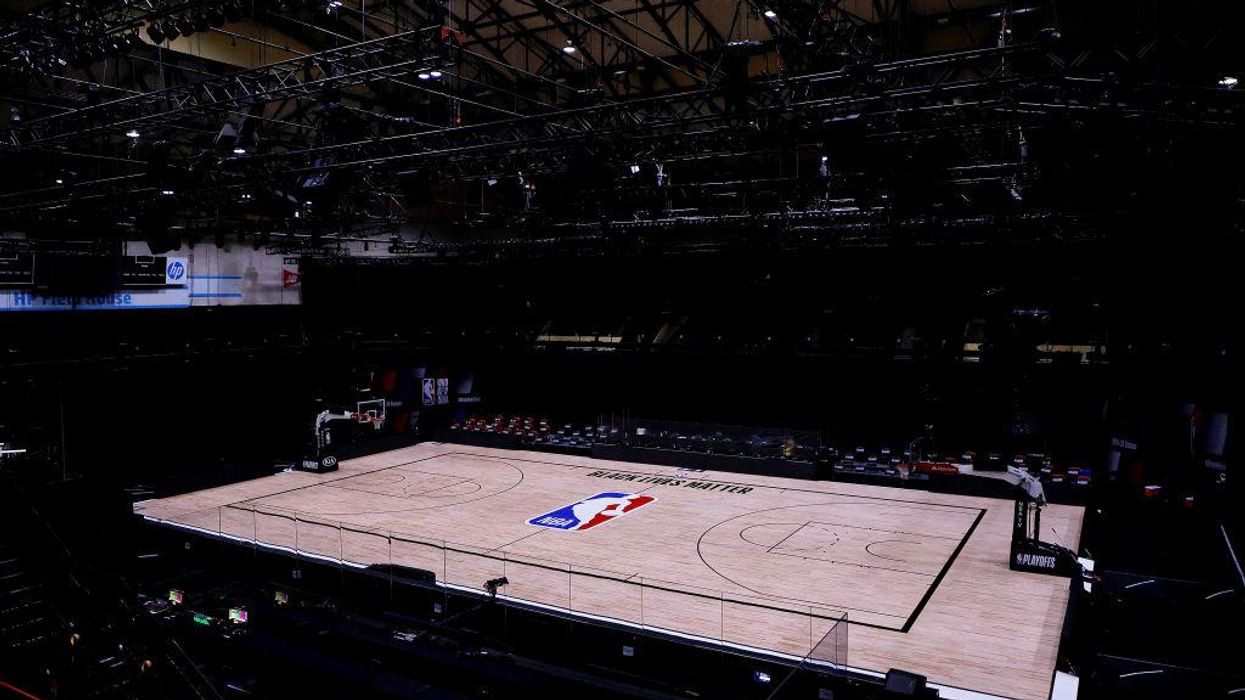
In June 2020, at the time of the Black Lives Matter protests following the murders of Breonna Taylor and George Floyd, a group of NBA players led by Lebron James, other black athletes and entertainers started More than a Vote.
At the time of the group’s formation, James said: “This is the time for us to finally make a difference.”
And indeed, he has made a difference.
More Than a Vote played an important role in the 2020 general elections and was particularly active in the Georgia Senate runoffs with ads to educate voters as to how to register and how to vote by mail.
Also in 2020, after a walkout by NBA players following the shooting of Jacob Blake in Wisconsin, the NBA converted a number of arenas into polling locations for the presidential election
A year later, More Than a Vote started a “Protect Our Power'' campaign that coincided with the NBA’s all-star weekend and aimed at fighting the many voter suppression efforts across the country that disproportionately impact Black voters.
Sports has played an important role in our democracy for many years. In 1947, Jackie Robinson broke Major League Baseball's decades-old color barrier when he made his debut with the Brooklyn Dodgers. His efforts to advance civil rights in America were groundbreaking.
NBA legend Bill Russell, who recently passed away, was a civil rights trailblazer in the 1960s. And now the NBA is getting involved, announcing it won't hold any games on Nov. 8 — Election Day with the goal of encouraging fans to vote.
"The scheduling decision came out of the NBA family's focus on promoting nonpartisan civic engagement and encouraging fans to make a plan to vote during midterm elections," the league said in a tweet.
James Cadogan, the Executive Director of the National Basketball Social Justice Coalition commented further: "It's unusual. We don't usually change the schedule for an external event," he told NBC. "Voting and Election Day are obviously unique and very important to our democracy."
Perhaps more importantly, not only will the NBA not play on Election Day but over the next few months NBA teams will provide information on their state's voting process and voter registration deadlines in order to help fans make a plan to vote.
It was also announced that the Monday before Election Day, the league's 30 teams will play in games to promote civic engagement and to also encourage fans and staff to vote this year.
In 2020, after a walkout by NBA players following the shooting of Jacob Blake in Wisconsin, the NBA converted a number of arenas into polling locations for the presidential election. The equally active WNBA dedicated its entire 2020 season to social justice, using its
Influence and platform to encourage activism and voting. Specific teams, like the Atlanta Dream, got behind certain candidates, heavily influencing turnout and awareness.
The WNBA and NBA aren’t alone as more and more athletes are using their collective voice to strengthen our democracy. All Vote No Play is a movement to help student athletes become great teammates and citizens, and to show them how they can exercise their own power to create the future they want.
They have a nonpartisan, free playbook of “civic drills” that all coaches and teams can use to jump start civic engagement, and they provide resources like the Student Athlete Voter Captain Guide, which provides monthly guidance on how in just 15 minutes per month, teams can become registered, informed and engaged voters.
They’ve also launched The Engaged Athlete Series, featuring prominent athletes like UCLA quarterback Chase Griffin, Stanford's Olympic swimmer Brooke Ford, and others, to highlight the many ways that student athletes can make a difference. They plan on hosting an All Star Engaged Athlete meeting on Sept. 13 featuring civic and sports leaders like Stanford women’s basketball coach Tara VanDerveer and former Secretary of State Condoleezza Rice, hoping that at least one athlete from every D1 school attends to amplify engagement.






The President Invited Iran to Bomb My Home