

Tiffany is one of over 6,000 undocumented students in Florida, affected by the elimination of a 2014 law when the FL Legislature passed SB 2-C, which ended in-state tuition for undocumented students in July.
As a result, the TheDream.US scholarship that she relied on was terminated – making finishing college at the University of Central Florida nearly unattainable. It was initially designed to aid students who arrived in the U.S. as children, such as Tiffany, who came to the U.S. from Honduras with her family at age 11.
“I just felt an overwhelming sense of helplessness,” she said, when the programs designed to support her ended. “It felt like my dreams were crumbling away.”
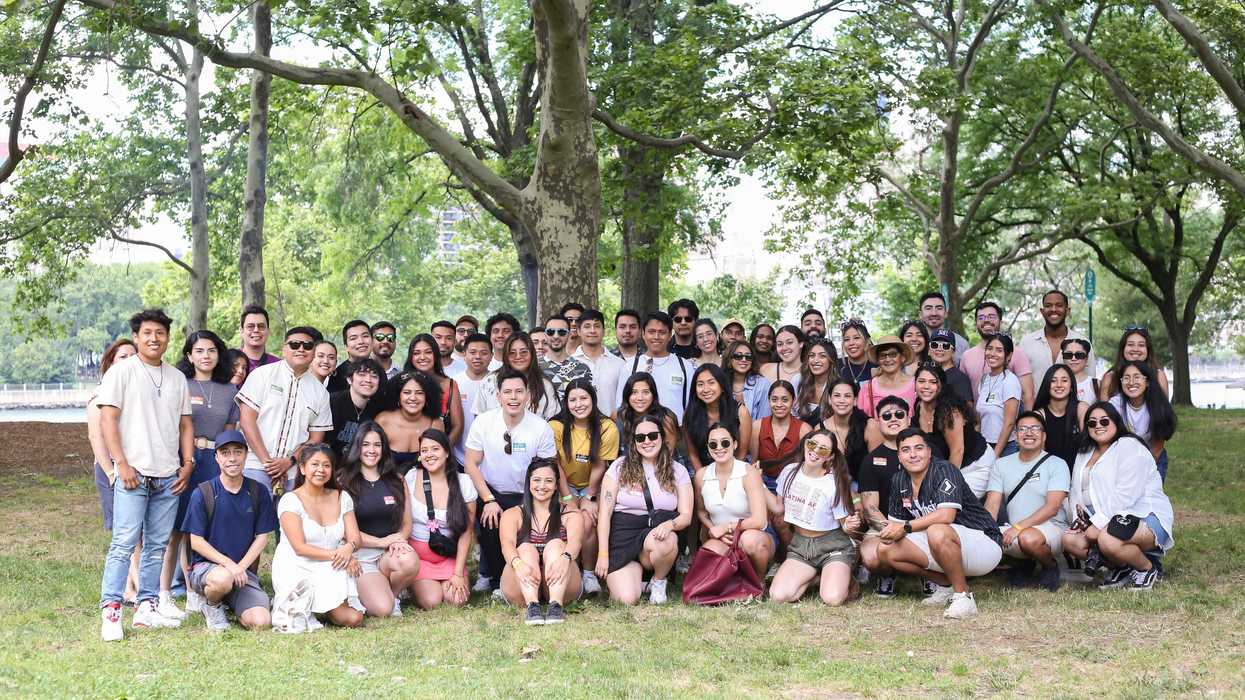
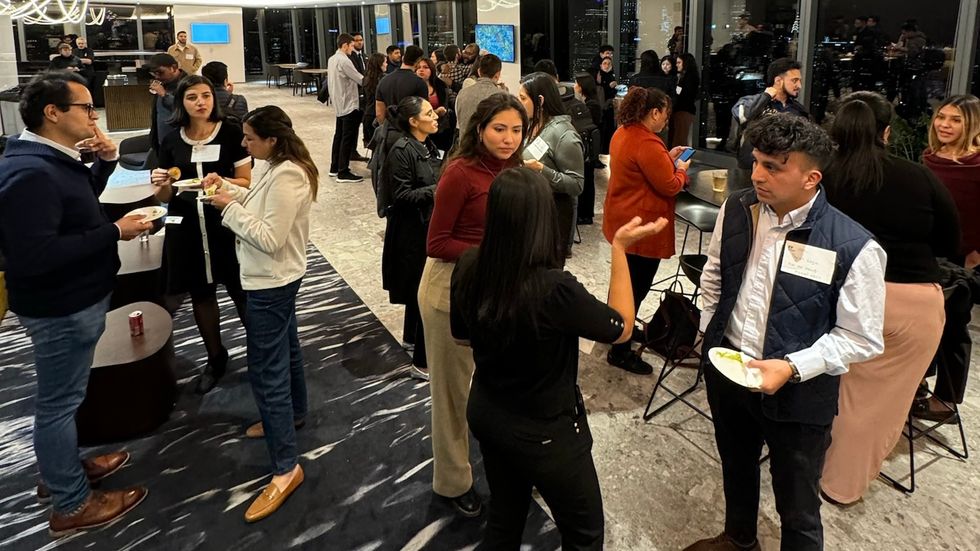
This September, Tiffany was awarded a $2,500 scholarship thanks to the nonprofit Corporate Pero Latinos (CPL). The fund is designed for undocumented students and recipients of the Deferred Action for Childhood Arrivals (DACA) program, which provides temporary protection from deportation to individuals who came to the U.S. as children. The nonprofit focuses on providing resources to the immigrant community - with four local chapters nationwide in South Florida, New York City, Seattle, and Chicago.
“I felt an immense sense of relief,” Tiffany, a junior in college, said it helped cover the remaining part of her tuition she was unable to afford. She said her father, who works in construction, and her mother, as a cook, tried to collect extra funds to support her. “Getting this degree, I know I will have a better future,” Tiffany said.
 Source: Corporate Pero Latinos
Uncertainty for Undocumented Students
Undocumented FL students who previously paid $26.7 million with an out-of-state tuition waiver now pay over $40 million more for their postsecondary education tuition, according to the Florida Policy Institute. Thousands, like Tiffany, now face a financial hurdle to finish school, and FL colleges would reportedly lose about $15 million annually without those very students.
Professor Susan Sturm, Director of the Center for Institutional and Social Change at Columbia Law School, says the future of everybody depends upon building the capacities of undocumented students.
She describes the legislation to be “driven by fear, by misinformation, and by a scarcity mindset.” Professor Sturm says there “is an assumption that if you include people who haven't been included before, that's going to mean the exclusion of people who are currently struggling to stay supported. I think we have to change our ideas of that kind of power and the way we're allocating our resources.”
Culture, Career, and Community
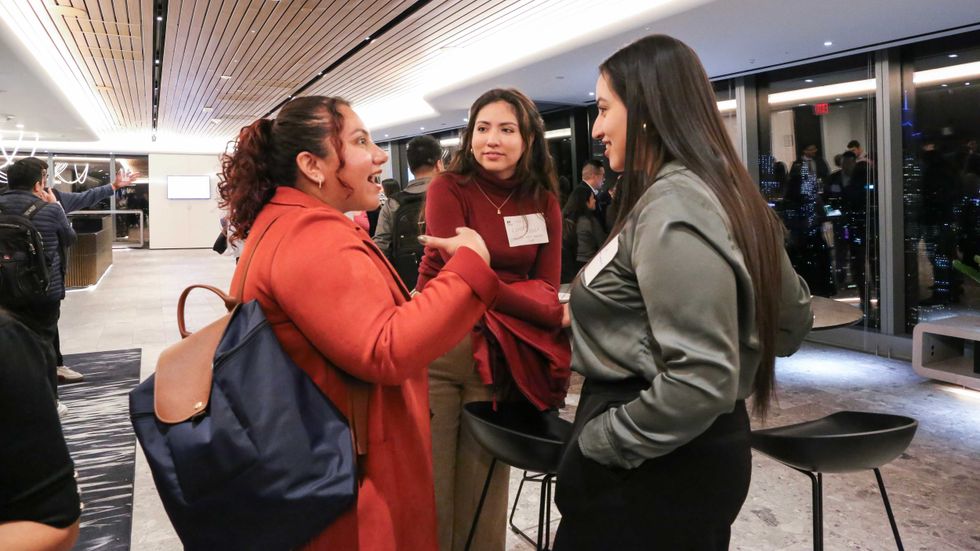
As a Mexican-American woman, with roots from Laredo, Texas, Sophia Zarate founded the CPL program in 2021 when she moved to New York and noticed a lack of Latinos in corporate America. “I was seeking a community,” she said, “to meet people that could relate to me, both professionally and culturally.”
Now, because of the new legislation, she is committed to growing the scholarship for undocumented young people and creating a pipeline for higher education.
Zarate says she wants to inspire hope for students to “believe in themselves and in humanity, knowing that there are organizations out there trying to create these opportunities for them.”
 Source: Corporate Pero Latinos
Bridging Language Barriers
Language barriers and broken pipelines are challenges many immigrants reportedly face. According to a 2024 study, More than a Monolith: The Advancement of Hispanic and Latino/a Talent, “some Spanish speakers said they are discouraged from communicating in Spanish at work, many are tapped for their language skills when it is convenient for their employer.”
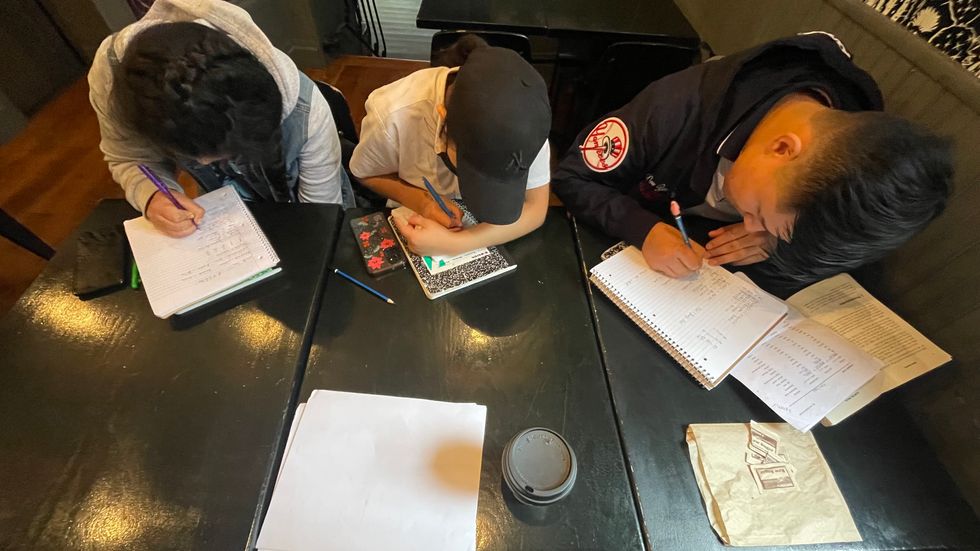
Zarate’s program offers free English-language classes and basic computer skills to native Spanish speakers with the help of volunteers. Santiago Gomez Manuel, who is taking the class on weekends at a Mexican restaurant called La Contenta Oeste, where he works, says it's empowered him.
“It changed my life, “ Manuel said. He originally speaks both Spanish and the indigenous language of Tutunaku from Veracruz, Mexico. Manuel says his goal is to return to Veracruz one day to teach the town’s children English.
Professor Sturm says people who have experienced marginalization in the past are “who understand the value of education and who are deeply committed to contributing to our democracy.”
 Source: Corporate Pero Latinos
A Pipeline for Opportunity
Tiffany says she aims to become a mechanical engineer focused on sustainability to serve vulnerable communities. “We're just trying to contribute to the economy and help the community that has given us a home,” she said. “We're just students, we're just kids.”
Professor Sturm says there is a need for “providing more financing for students coming into the school, building leadership opportunities and cohorts that would both push and pull students to succeed.”
Corporate Pero Latinos is becoming a pipeline toward opportunity for many immigrants, “it takes a village.” Zarate says she wants “to create impact - it's so much more powerful.”
Tiffany says the scholarship has served as “a reminder that I need to keep pushing forward, no matter how hard the circumstances are.” she said. “I can do this.”
Clarisa Melendez is a bilingual multimedia storyteller who has produced stories for NBC News and Telemundo. Her work often amplifies the voices of underserved communities, from Indigenous youth using AI to preserve native languages to programs supporting children of farmworkers.