

Skip to content
Search

Latest Stories

Top Stories

A “Bad Time” To Be Latino in America

News

A “Bad Time” To Be Latino in America

person handcuffed, statue of liberty

AI generated

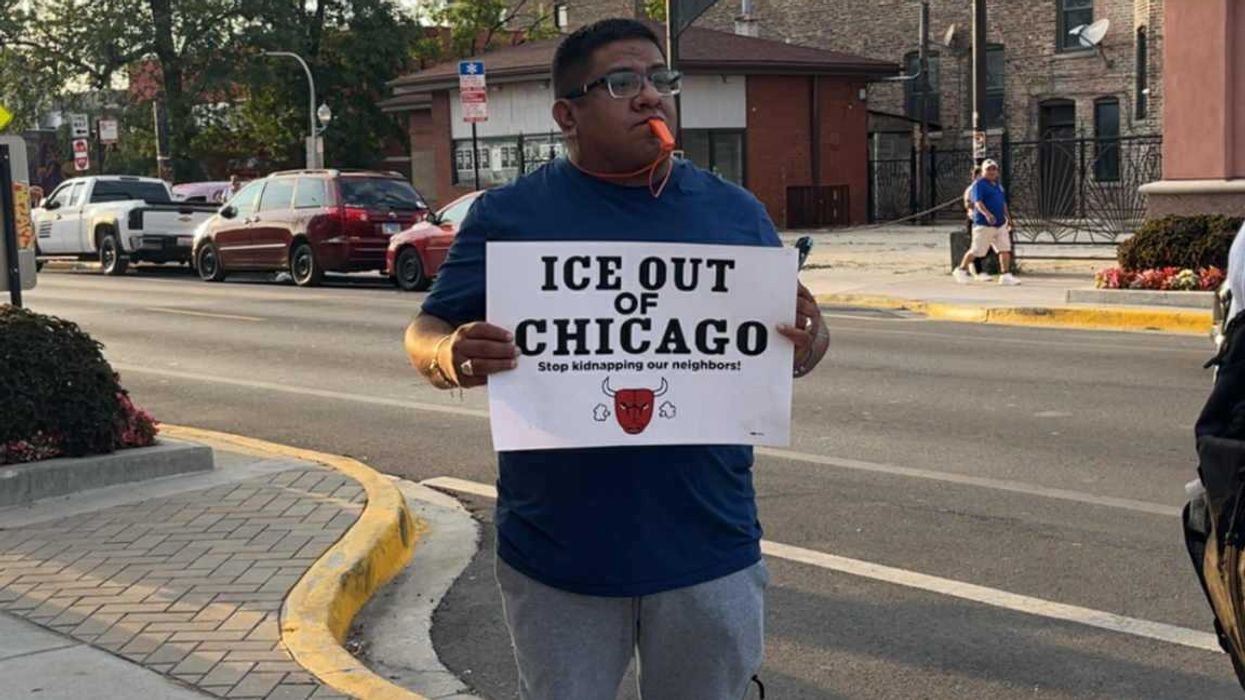
A new Pew Research Center survey reveals that most Latinos in the United States disapprove of President Donald Trump’s handling of immigration and the economy during his second term, underscoring growing pessimism within one of the nation’s fastest-growing demographic groups. Conducted in October, the survey highlights widespread concerns about deportation efforts, financial insecurity, and the broader impact of Trump’s policies on Hispanic communities.

Key Findings from the Pew Survey
  • 65% disapprove of Trump’s immigration policies, citing heightened deportation efforts and increased immigration enforcement in local communities.
  • About four-in-five Latinos say Trump’s policies harm Hispanics, a higher share than during his first term.
  • 61% of Latinos believe Trump’s economic policies have worsened conditions, with nearly half reporting struggles to pay for food, housing, or medical expenses in the past year.
  • 68% feel their overall situation has declined in the past year, marking one of the bleakest assessments in nearly two decades of Pew surveys.

Immigration Enforcement and Fear of Deportation

The study found that about half of Latinos worry they or someone close to them might be deported, reflecting heightened anxiety amid intensified immigration raids and arrests. Many respondents reported that enforcement actions had occurred in their local areas within the past six months. This fear has contributed to a sense of vulnerability, particularly among mixed-status families where U.S. citizens live alongside undocumented relatives.


Economic Struggles and Pessimism

Latinos also expressed deep concerns about the economy. While Trump campaigned on promises of economic growth, many Latinos say they have experienced worsening financial conditions, including difficulty affording basic necessities. The survey revealed that Latinos are more likely than other U.S. adults to feel unprepared for a financial downturn, with many citing job insecurity and rising costs of living.

Political Implications

The findings carry significant political weight. In the 2024 election, Trump made notable gains among Latino voters, particularly men, narrowing the Democratic advantage in the demographic. However, the Pew survey suggests that support among Latinos has eroded sharply in 2025, with disapproval rates climbing and pessimism spreading across the community.

This shift could influence upcoming elections, as Latino voters represent a crucial bloc in swing states such as Arizona, Nevada, and Florida. Analysts note that the survey results may signal challenges for Trump and the Republican Party in maintaining Latino support if current trends continue.

Broader Context of Latino Identity and Belonging

Beyond policy disapproval, the survey highlights broader concerns about Latino identity and belonging in the U.S. Latinos report historic levels of pessimism about their place in American society, with many questioning whether opportunities for upward mobility remain accessible. Nearly a third of respondents said they had considered leaving the United States, citing the political climate and fears about their future.

The Pew Research Center’s findings paint a sobering picture of Latino sentiment under Trump’s second term. Majorities disapprove of his immigration and economic policies, feel their circumstances have worsened, and express heightened fears of deportation and financial instability. While Trump once made inroads with Latino voters, the survey suggests that his administration’s policies may now be driving them away, reshaping the political landscape ahead of future elections.

A “ Bad Time” To Be Latino in America was first published on the Latino News Network and republished with permission.

The Latino News Network is a multimedia publication providing greater visibility and voice to the Hispanic, Latino community in the United States.
Read More

People having Thanksgiving dinner
How to get along at Thanksgiving
VioletaStoimenova/Getty Images

Forget the survival guides: Politics is rarely an issue at Thanksgiving

Thanksgiving is often portrayed as a minefield of political debates, with an annual surge of guides offering tips to "survive" political conversations at the dinner table. But this raises a question: How helpful are these guides?

Research actually shows that most Americans neither want nor need the abundance of advice. A study conducted just before Thanksgiving 2024 found that while >90% of Americans celebrate Thanksgiving, less than a third planned to discuss the presidential election held earlier that month. Considering Gallup’s finding that “Americans’ attention to national political news is cyclical, usually spiking in presidential election years,” interest in talking about politics may even be lower this year, despite all the political news.

Other previous studies also show that relatively few want to talk about politics over the holiday. A 2022 Axios/Ipsos poll found that 77% of Americans believe Thanksgiving is not the right time for political discussions. Somewhat similarly, a 2023 Quinnipiac poll found that only 29% of Americans say they are looking forward to discussing politics at Thanksgiving, compared with less than half who say they hope to avoid it.

Keep Reading Show less
People having Thanksgiving dinner
How to get along at Thanksgiving
VioletaStoimenova/Getty Images

Forget the survival guides: Politics is rarely an issue at Thanksgiving

Thanksgiving is often portrayed as a minefield of political debates, with an annual surge of guides offering tips to "survive" political conversations at the dinner table. But this raises a question: How helpful are these guides?

Research actually shows that most Americans neither want nor need the abundance of advice. A study conducted just before Thanksgiving 2024 found that while >90% of Americans celebrate Thanksgiving, less than a third planned to discuss the presidential election held earlier that month. Considering Gallup’s finding that “Americans’ attention to national political news is cyclical, usually spiking in presidential election years,” interest in talking about politics may even be lower this year, despite all the political news.

Other previous studies also show that relatively few want to talk about politics over the holiday. A 2022 Axios/Ipsos poll found that 77% of Americans believe Thanksgiving is not the right time for political discussions. Somewhat similarly, a 2023 Quinnipiac poll found that only 29% of Americans say they are looking forward to discussing politics at Thanksgiving, compared with less than half who say they hope to avoid it.

Keep Reading Show less
Rethinking the Church’s Calling in a Time of Crisis
person's hand
Photo by Billy Pasco on Unsplash

Rethinking the Church’s Calling in a Time of Crisis

There is a significant distinction between charity and justice. Charity responds to visible wounds in the community and rushes to bandage them as necessary. Justice, rooted in biblical conviction and prophetic courage, goes further. It questions the sources of suffering: Why are people bleeding in the first place? This tension between crisis response and deeper transformation is at the core of a courageous step recently taken by Atlanta's New Birth Missionary Baptist Church.

As the nation grapples with democratic strain and institutional fatigue, New Birth's decision to suspend the collection of tithes and offerings during a government shutdown and amid the threatened rollback of social supports is a daring example of moral clarity. It is more than an act of relief; it is a refusal to proceed with business as usual when the most economically vulnerable are again being asked to bear the highest costs. The pause is not merely financial; I believe it is prophetic. An assertion that the church's highest duty is to its people, not its ledger.

Keep Reading Show less
We Are Not Going Back to the Sidelines!

Participants of the seventh LGBTIQ+ Political Leaders Conference of the Americas and the Caribbean.

Photograph courtesy of Siara Horna. © liderazgoslgbt.com/Siara

We Are Not Going Back to the Sidelines!

"A Peruvian, a Spaniard, a Mexican, a Colombian, and a Brazilian meet in Lima." This is not a cliché nor the beginning of a joke, but rather the powerful image of four congresswomen and a councilwoman who openly, militantly, and courageously embrace their diversity. At the National Congress building in Peru, the officeholders mentioned above—Susel Paredes, Carla Antonelli, Celeste Ascencio, Carolina Giraldo, and Juhlia Santos—presided over the closing session of the seventh LGBTIQ+ Political Leaders Conference of the Americas and the Caribbean.

The September 2025 event was convened by a coalition of six organizations defending the rights of LGBTQ+ people in the region and brought together almost 200 delegates from 18 countries—mostly political party leaders, as well as NGO and elected officials. Ten years after its first gathering, the conference returned to the Peruvian capital to produce the "Lima Agenda," a 10-year roadmap with actions in six areas to advance toward full inclusion in political participation, guaranteeing the right of LGBTQ+ people to be candidates—elected, visible, and protected in the public sphere, with dignity and without discrimination. The agenda's focus areas include: constitutional protections, full and diverse citizenship, egalitarian democracy, politics without hate, education and collective memory, and comprehensive justice and reparation.

Keep Reading Show less