
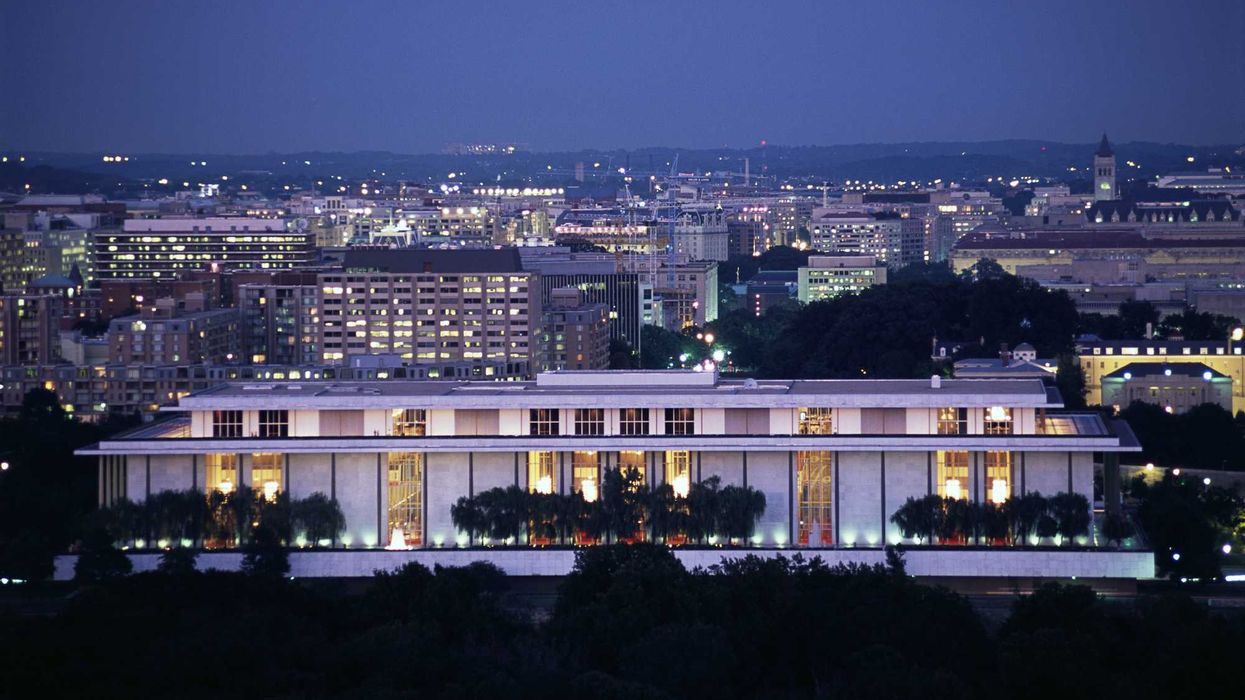
On January 2, The Fulcrum reported on musicians and dance companies canceling performances in protest of the Trump-renamed Kennedy Center, reflecting a growing backlash against political interference at the nation’s leading arts institution.
In the days since that piece ran, the backlash has only intensified—most notably with the withdrawal of Béla Fleck, the 18‑time Grammy Award–winning banjoist and composer who was scheduled to perform at the Center in February.
Fleck’s decision lends significant weight to the expanding artist-led protest. In a statement to The New York Times, he explained that “performing there has become charged and political.” He further stated that the environment at the renamed venue “has become less and less a musically and artistically based situation and more of a highly politicized and divisive one.”
He added that this shift “pushes against the deepest motivations of why I want to be a musician.” In a separate social media post, he reiterated that performing at the Kennedy Center had “become charged and political, at an institution where the focus should be on the music.”
Fleck now joins an expanding roster of artists who have withdrawn in protest of the renaming and the associated political intervention.
Earlier this year, at least 15 performers withdrew, including Issa Rae, Rhiannon Giddens, Renée Fleming, and Ben Folds, each expressing concern that the Center’s long-standing civic mission is being compromised.
In recent weeks, further cancellations have been announced by jazz drummer Chuck Redd, the acclaimed jazz collective The Cookers, singer-songwriter Kristy Lee, and the modern dance company Doug Varone and Dancers. These decisions have left audiences with tickets to unoccupied performances, serving as a visible reminder of the unease many performers feel regarding the institution’s new direction.
The Cookers characterized their withdrawal in explicitly civic terms, stating, “Jazz was born from struggle and from a relentless insistence on freedom: freedom of thought, of expression, and of the full human voice.”
Doug Varone and Dancers, who anticipate a $40,000 loss due to the cancellation, described the decision as “financially devastating but morally exhilarating.”
Kristy Lee, who canceled a free January 14 concert, was equally candid: “I won’t lie to you, canceling shows hurts. This is how I keep the lights on. But losing my integrity would cost me more than any paycheck.”
Meanwhile, the public response is reflected in attendance data. Multiple reports indicate that ticket sales and attendance have declined sharply since the renaming, resulting in tens of thousands of empty seats across the Center’s largest venues this fall. A venue that had long been one of the nation’s most reliable cultural draws is now experiencing a measurable decline in audience turnout, an institutional consequence that mirrors the artistic protest occurring on its stages.
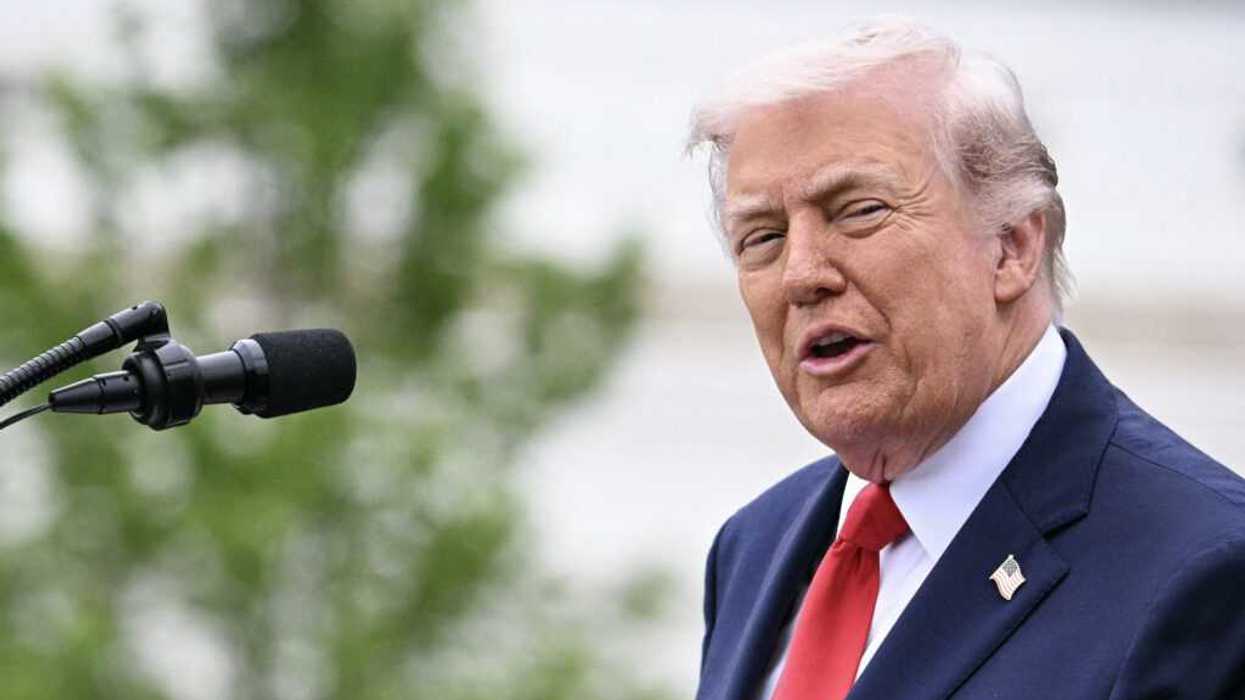
Trump-appointed Board members have responded forcefully. Kennedy Center chairman Richard Grenell has publicly criticized the artists who withdrew, referring to them as “far-left political activists” and asserting that “boycotting the arts to show you support the arts is a form of derangement syndrome.” News reports also indicate that he has suggested possible legal action regarding the cancellations. The renaming itself raises unresolved legal questions, as the Kennedy Center’s name was established by an act of Congress, and any official change would require congressional approval.
Collectively, these withdrawals represent more than mere scheduling disruptions. They reveal a deeper concern regarding the independence of America’s flagship cultural institutions and the values they are perceived to embody. For many artists, the stage is not simply a venue but a civic space where artistic freedom, public trust, and democratic expression converge. Their absence at this time constitutes a distinct form of public speech.
This wave of protest recalls earlier periods in American cultural history, from Paul Robeson to Joan Baez, when artists employed silence, refusal, or withdrawal to indicate that fundamental values were at stake. Today, as political polarization increasingly affects cultural spaces, the arts remain among the few arenas capable of fostering reflection, connection, and collective healing. The central question is whether the Kennedy Center can reclaim that role or if the ongoing departure of artists will continue to resonate more powerfully than the performances that once filled its halls.
In a period of significant national division, the arts continue to serve as one of the few spaces capable of fostering unity through reflection, perspective, and the reminder that healing remains possible.
David L. Nevins is the publisher of The Fulcrum and co-founder and board chairman of the Bridge Alliance Education Fund.