

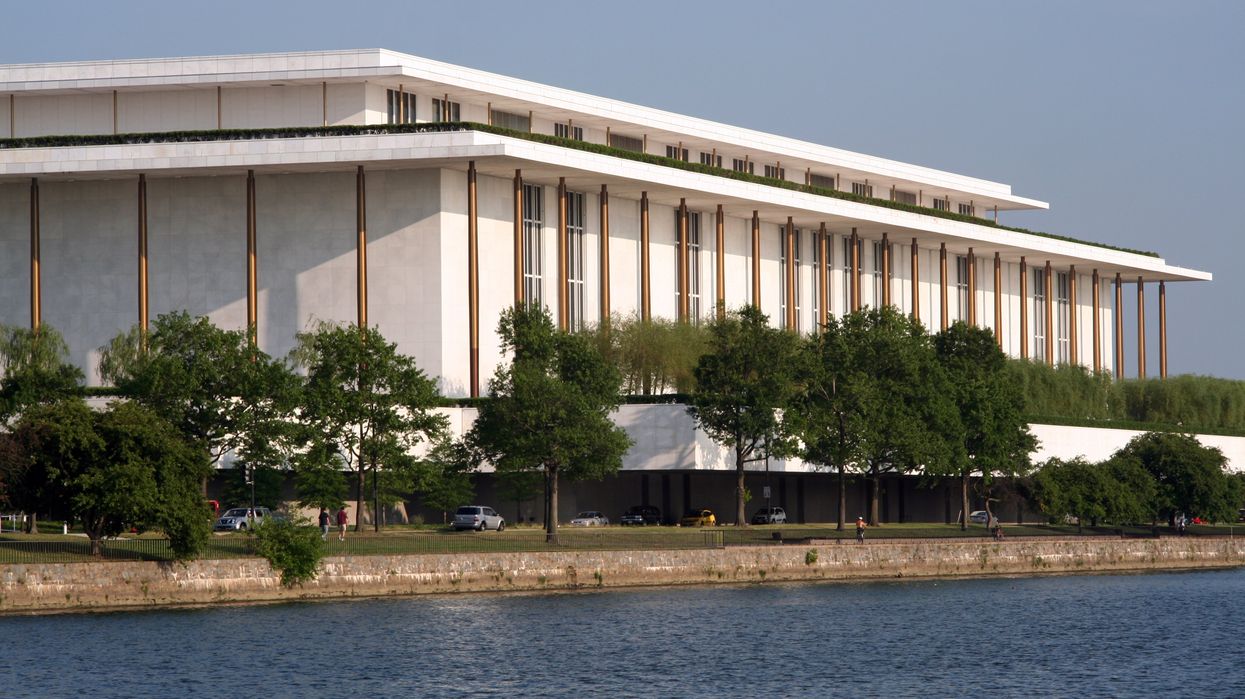
The recent wave of cancellations by artists at the Kennedy Center underscores a broader and urgent question in contemporary society: the struggle between artistic autonomy and political influence. By withdrawing from their scheduled appearances, these artists are responding to the Center's controversial renaming by a new Board of Directors appointed by President Trump. This renaming, seen by many as politically motivated, has catalyzed a strong reaction. Earlier this year, at least 15 performers withdrew in protest. This forms part of a growing trend, with public resignations and statements from notable figures like Issa Rae, Rhiannon Giddens, Renée Fleming, and Ben Folds. They have all expressed concerns that the Center’s civic mission is being undermined.
More performers are visibly withdrawing from the Kennedy Center, with fan-favorite names disappearing from the roster. In recent weeks, news outlets have reported that more artists and groups have called off their upcoming shows. These include jazz drummer Chuck Redd, the jazz group The Cookers, singer-songwriter Kristy Lee, and the dance company Doug Varone and Dancers. Fans holding tickets now face the stark absence that mirrors these artists' discomfort with the renaming and what it represents politically.
The Cookers made it clear their decision was a protest. They said, "Jazz was born from struggle and from a relentless insistence on freedom: freedom of thought, of expression, and of the full human voice." Doug Varone and Dancers expect to lose $40,000 by pulling out, calling the decision "financially devastating but morally exhilarating." Kristy Lee also canceled a free concert on January 14. She was open about the impact: "I won’t lie to you, canceling shows hurts. This is how I keep the lights on. But losing my integrity would cost me more than any paycheck."
In contrast, some artists have chosen to stay and perform, citing the need to keep art accessible and promote dialogue during contentious times. One such artist, pianist John Doe, said, "While I completely understand and respect the decisions of my fellow artists, I believe that staying allows me to reach people and convey messages of unity and understanding through my music."
Trump-appointed Board members have responded to the backlash. Recently, Kennedy Center chairman Richard Grenell publicly criticized the artists who withdrew. He called them “far-left political activists” and said, “boycotting the arts to show you support the arts is a form of derangement syndrome.” News reports also mentioned that he suggested possible legal action over the cancellations.
The Kennedy Center's renaming brings up several legal issues. The Center was first named by an act of Congress, and any official change would also need congressional approval.
All these withdrawals show that performers are worried about the independence of America’s leading cultural institutions and the values they stand for. For many artists, the stage is more than just a place to perform; it is a space for free expression.
Their absence now is a form of public protest, a real loss for freedom of expression. This tradition of artistic protest connects to earlier moments in history, such as the boycotts led by Paul Robeson and Joan Baez, highlighting a recurring civic ritual in the United States where artists voice their resistance through strategic silence.
During a time of division, the arts can still bring people together, encourage reflection, and help with healing.
David L. Nevins is the publisher of The Fulcrum and co-founder and board chairman of the Bridge Alliance Education Fund.






The President Invited Iran to Bomb My Home