

Skip to content
Search

Latest Stories

Follow Us:
Top Stories

Trump’s Second Year and the Crossroads Facing Latinos

News

Trump’s Second Year and the Crossroads Facing Latinos

illustration depicting Latinos at a crossroads

AI generated

As President Donald Trump enters his second year of his second term, the nation’s 62 million Hispanics and Latinos are bracing for a turbulent 2026 shaped by economic uncertainty, shifting political allegiances, and intensified immigration enforcement. New polling and research released throughout late 2025 paint a complex picture of a community that is increasingly anxious about its future and deeply skeptical of the administration’s direction.

Across multiple surveys, Latino voters consistently identify the economy, affordability, and jobs as their top concerns heading into 2026. A sweeping national survey of 3,000 registered Latino voters found that 65% believe President Trump and congressional Republicans are not doing enough to improve the economy, a five‑point increase since April. Half of respondents said they expect Trump’s economic policies to make them personally worse off next year.


This economic pessimism is echoed in Pew Research Center’s late‑2025 analysis, which found that Latinos hold some of the bleakest views of their financial outlook in nearly two decades of polling. Many report feeling overworked, anxious, and politically alienated, with 68% saying the situation for Hispanics in the U.S. has worsened in the past year—the highest level ever recorded in Pew’s National Survey of Latinos.

While Trump made notable gains with Latino voters in the 2024 election, that support has eroded dramatically. An October 2025 AP‑NORC poll found that only 25% of Hispanic adults hold a favorable view of Trump, down from 44% earlier in the year. His job approval among Hispanics fell from 41% in March to 27% in October.

A separate Arizona Republic survey found that seven in ten Latinos disapprove of Trump’s job performance, citing dissatisfaction with the economy and immigration policies.

Yet the political landscape remains complicated. A POLITICO analysis revealed a rise in ticket‑splitting among Latino voters—many who supported Trump in 2024 also backed Democratic congressional candidates, signaling fluid and unpredictable voting patterns heading into the 2026 midterms.

Immigration remains a defining issue in Trump’s second term, and new data shows rising fear within Latino communities. Pew Research reports that about half of U.S. Latinos worry they or someone close to them could be deported, a significant increase from earlier in the year. Majorities of Latinos disapprove of Trump’s immigration policies, with four‑in‑five saying his policies harm Hispanics—a higher share than during his first term.

A December 2025 report from Climate Power en Acción found that Trump’s rollback of clean‑energy initiatives has disproportionately affected Latino communities. Since his reelection, 93 clean‑energy projects in Latino areas have been canceled, delayed, or forced to lay off workers, representing 70,780 lost jobs and nearly $14 billion in lost investment. Nationwide, more than 165,000 clean‑energy jobs have been lost or stalled since November 2024.

These setbacks are expected to deepen economic strain in states with large Latino populations, including Texas, Arizona, Nevada, and California.

As the 2026 midterm elections approach, Latino voters are signaling both disillusionment and determination. UnidosUS and Voces Unidas report that Latino voters are “sounding the alarm,” expressing frustration with Washington’s leadership and demanding action on affordability, immigration reform, and economic opportunity.

With Trump’s approval among Latinos at historic lows and economic pressures mounting, 2026 is shaping up to be a pivotal year—one that could redefine Latino political engagement and reshape the national landscape.

Trump’s Second Year and the Crossroads Facing Latinos was first published on the Latino News Network and was republished with permission.

Hugo Balta is the executive editor of the Fulcrum and the publisher of the Latino News Network

Read More

Fierce Urgency of Remembering
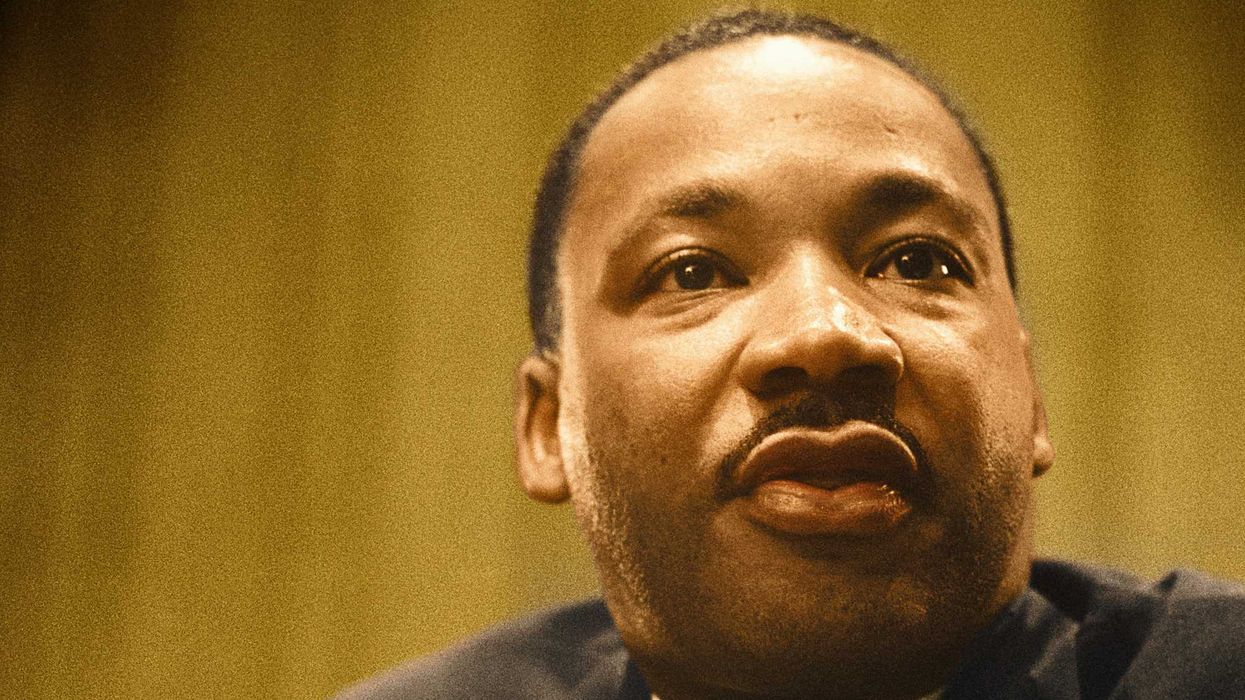
Dr. Martin Luther King, Jr. gives a speech

Fierce Urgency of Remembering

The floorboards of American democracy creak under the weight of our collective amnesia. Every January, the image of Martin Luther King Jr. is polished and presented, made to appear harmless and easily shared. This is no more than another federal holiday, with his famous dream reduced to a recurring line or two and an oft-repeated photograph, both stripped of their original challenge. But in 2026, this custom feels different. The air feels tighter. There is a sense that something threatening lies beneath the commemorations—a growing worry that the democracy King strove to protect is not just vulnerable but on the verge of failing, struggling to survive during Trump’s second presidency.

America has always lived in urgent tension with itself. King understood this better than most. His moral and spiritual imagination pierced patriotic veneers, exposing the greed and violence woven into American life, the ways whiteness functioned as inheritance for some and dispossession for many others. Even amid technological marvels and global ambition, the questions King posed half a century ago remain not just unanswered, but pressing: Who belongs? Who bears the cost of our prosperity? Can a genuine moral community exist without truth-telling and repair?

Keep ReadingShow less
Collective Leadership to End Child Abuse: An Ecosystem Approach

child holding a banner with stop single word againd blue background

Getty images

Collective Leadership to End Child Abuse: An Ecosystem Approach

As we approach the holidays, many are concerned about divisive conversations and disruptive moments at family events and neighbourhood gatherings. Joe Palaggi reminds us to seek that place where “no single worldview gets everything it wants, but everybody gets enough stability to keep moving.” At the core of this statement is an acknowledgement that no one perspective holds ultimate expertise. As we close out the year and look ahead to 2026, it may be helpful to consider different approaches to solving our challenges.

Similarly, a recent article from Harvard suggests that it might be time to retire leadership models based on the authority of a single charismatic person or visionary problem solver at the top. “As our world grows increasingly more connected and complex, however, this top-down approach to leadership is becoming increasingly outdated,” suggests the author, noting that many organizations are now shifting towards “new models of collective leadership.”

Keep ReadingShow less
Why Are Women Demeaned?
a couple of people standing next to each other
Photo by Pea on Unsplash

Why Are Women Demeaned?

Despite the brief #MeToo era, we still live in a world where if a man and a woman are engaged in a sordid—meaning, in conflict with society's conventions—relationship, it is the woman who will be chastised and not the man.

Men have always been able to do what they want and receive little criticism; women, on the other hand, have been pilloried when they engage in behavior that does not conform to society's expectations. Society judges the woman's behavior as unseemly, while it judges the man's behavior as doing what men do—men are known to be pigs when it comes to sex, and that's just the way it is.

Keep ReadingShow less
Battling Gentrification by Showcasing the Windy City’s Rich Puerto Rican Roots

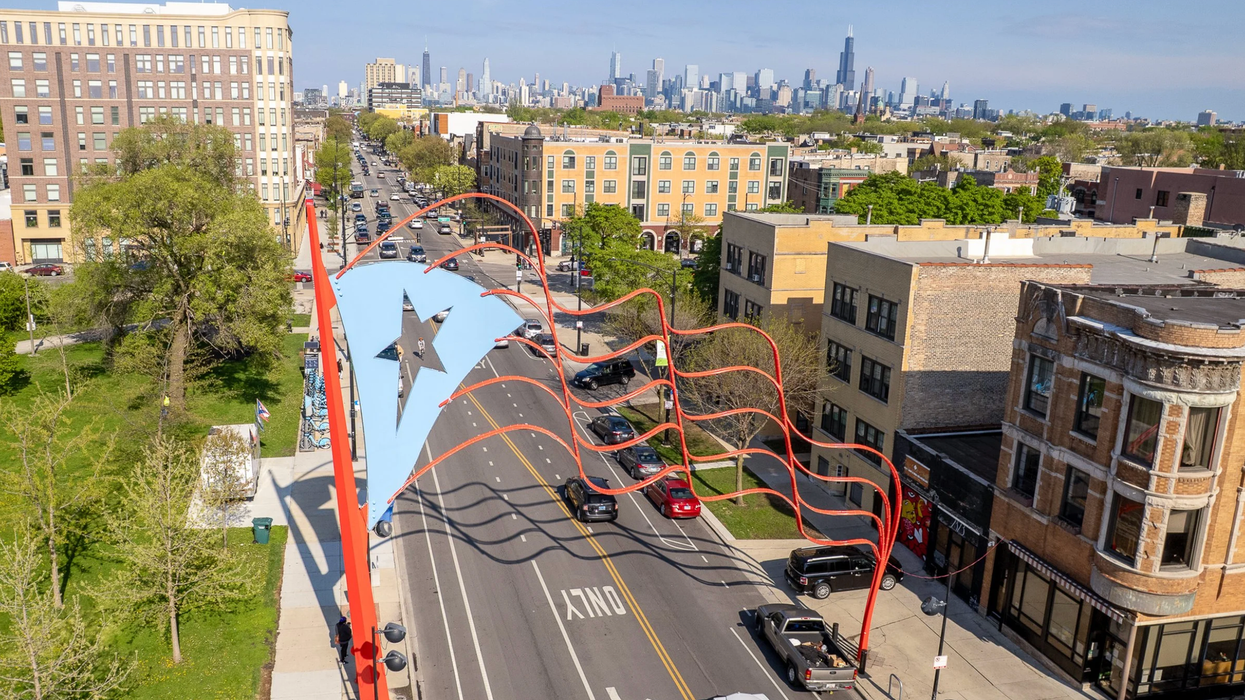
Fluttering Puerto Rican flag marking the entrance to the Paseo (Stroll) Boricua at Humboldt Park.

Photo by Jesús J. Montero for palabra

Battling Gentrification by Showcasing the Windy City’s Rich Puerto Rican Roots

Known for its eclectic charm as an urban oasis and cultural vibrancy, Humboldt Park in Chicago is home to numerous ethnic restaurants, cultural centers, and art galleries. It's no wonder many flock here. As in other big cities across the country, the Windy City has for many years experienced the harmful impact of gentrification. While geographic location varies, the recipe remains identical: while developers purchase/remodel properties seeking skyrocketing rents, longtime residents are continuously displaced. Those negatively impacted are also usually the same: working-class Black and Brown communities.

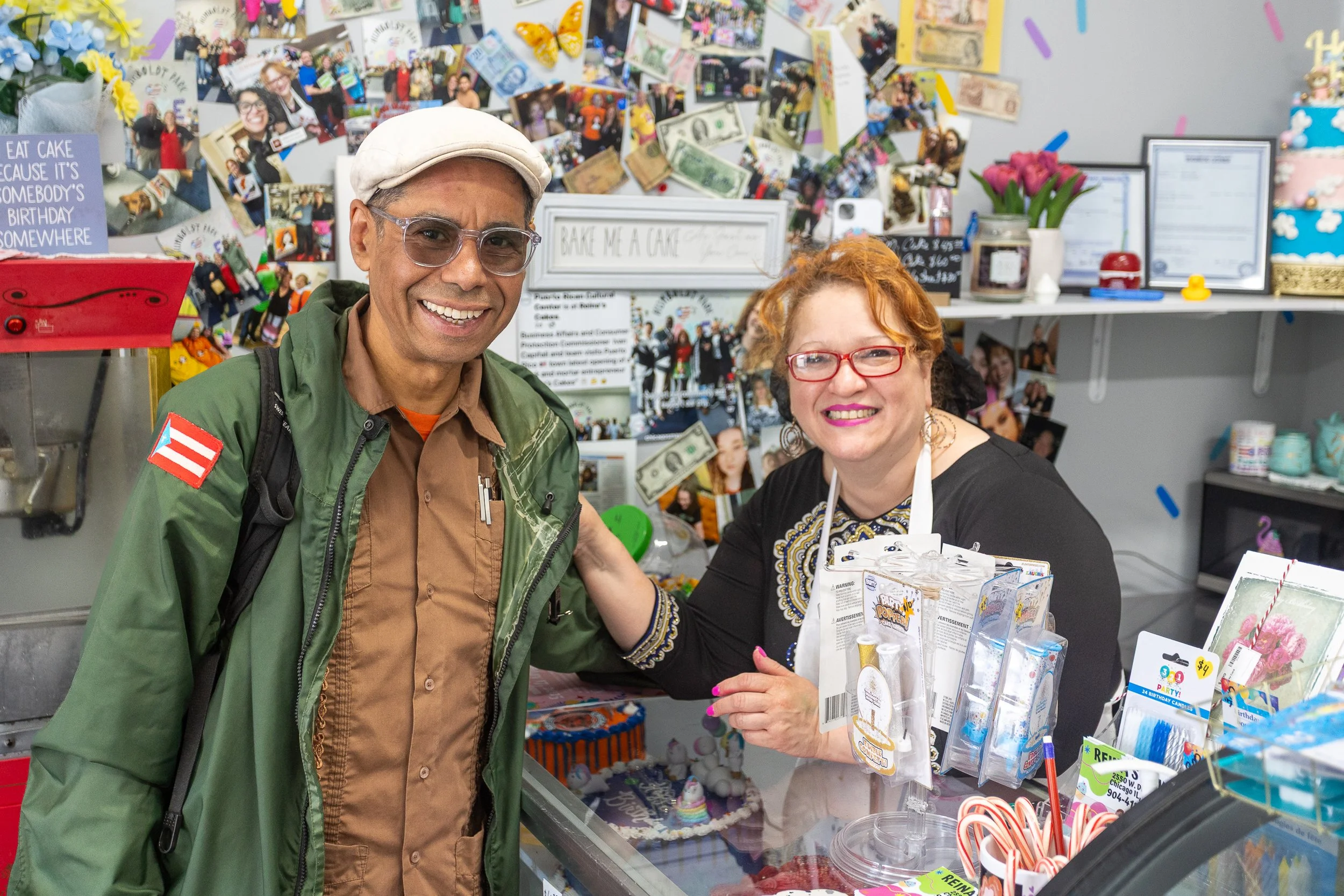
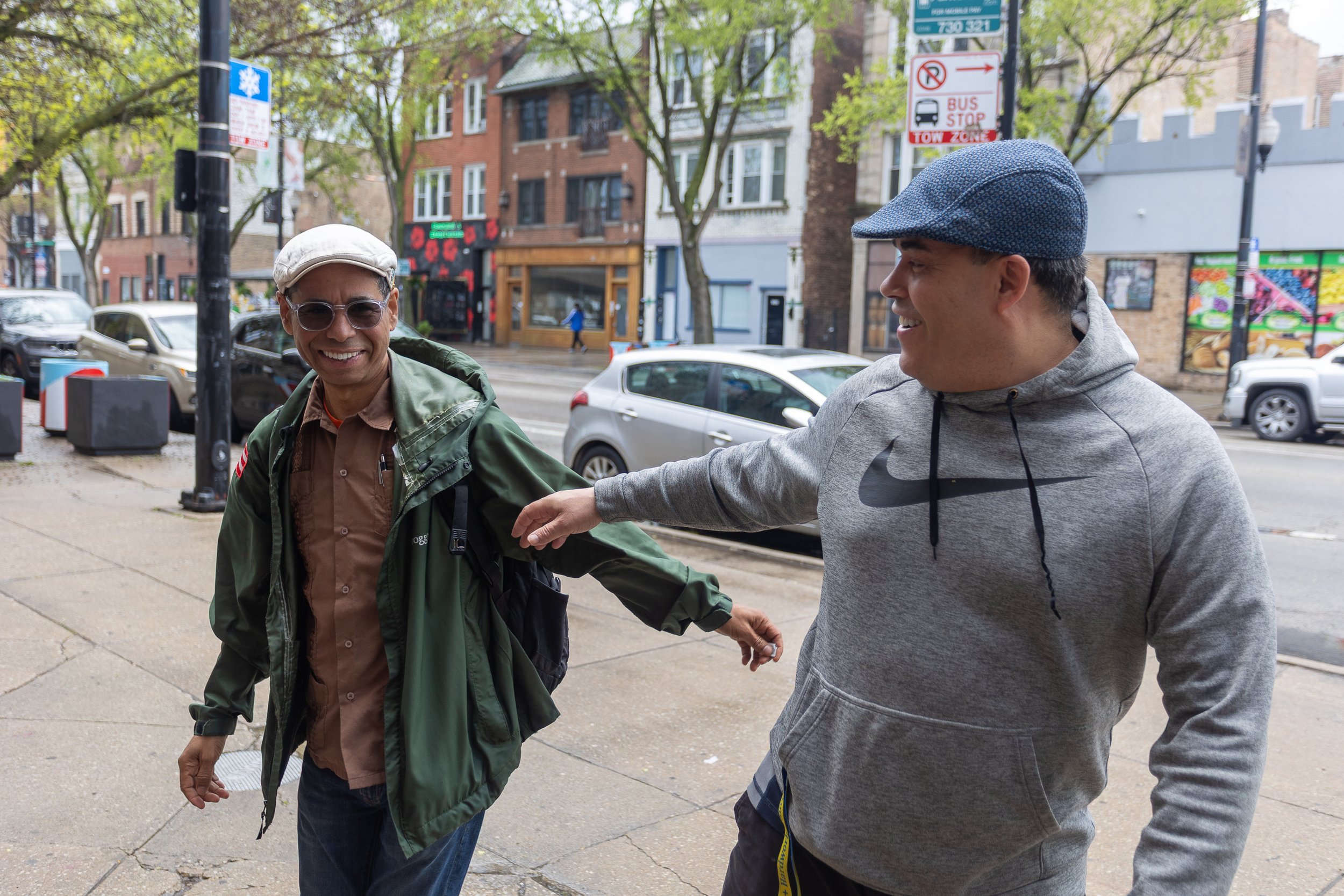
But one creative entrepreneur is determined to keep the essence of his neighborhood alive and thriving. For over a decade, poet, gallerist, professional tour guide, and Chicago native Eduardo Arocho has been enthusiastically sharing with visitors and locals alike his unconditional love and commitment to his rich Puerto Rican roots. As owner and founder of Paseo Boricua Tour Company, his is more than a "stop-and-drop-names" excursion. Part of Paseo Boricua - the economic, political, and cultural capital of Chicago’s Puerto Rican community - the tour is a culturally immersive experience where participants get to feel the warmth and sabor (flavor) of Arocho and his friendly people - even having the option of adding lunch reservations to support one of the local restaurants featuring Puerto Rican cuisine.

Keep ReadingShow less