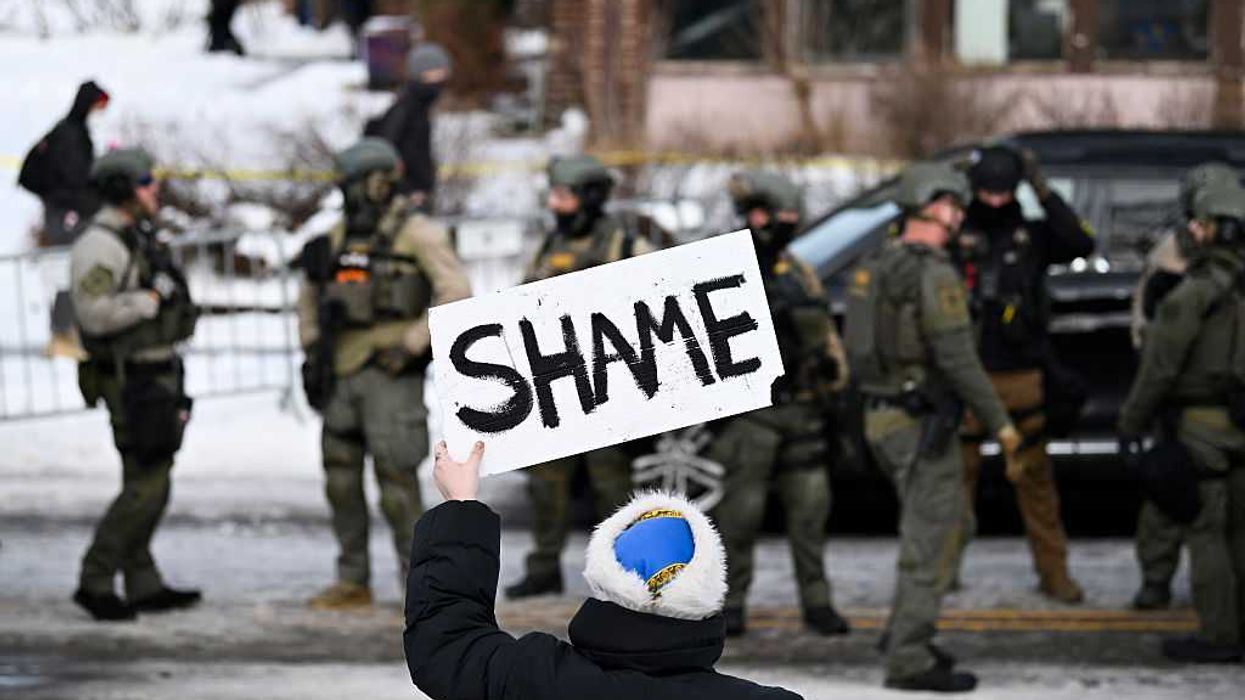
The shooting death of Renee Nicole Good in Minneapolis has left a community shaken and a family in mourning, a moment that should have prompted caution and compassion from national leaders. The aftermath should have been a moment for restraint — a pause to let investigators gather facts, to give a grieving family room to breathe, and to recognize the fear gripping a nation living under heightened enforcement. Instead, the country was met with an immediate rush to judgment from the highest levels of government, an all too common reflexive effort by the Trump administration to assign blame to the person who was killed before any meaningful information had been released.
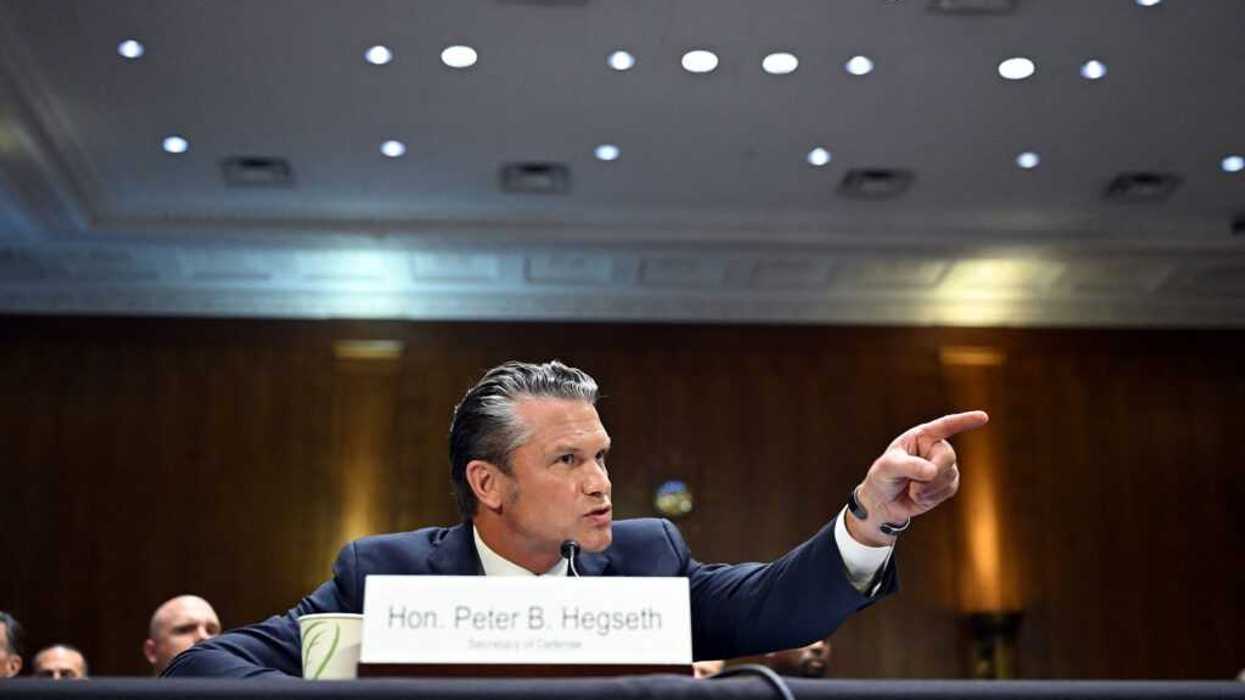
That instinct was on full display when Homeland Security Secretary Kristi Noem said, "It was an act of domestic terrorism," just after the shooting. "The woman attacked them."
Noem quickly framed the victim as responsible for her own death. Her comments arrived before witness interviews, before a full timeline, before the public had any clarity about what actually happened. It was a narrative constructed in real time, designed to protect the machinery of enforcement rather than to seek the truth. And it sent a chilling message: that the government’s first priority is to defend its actions, not to understand them.
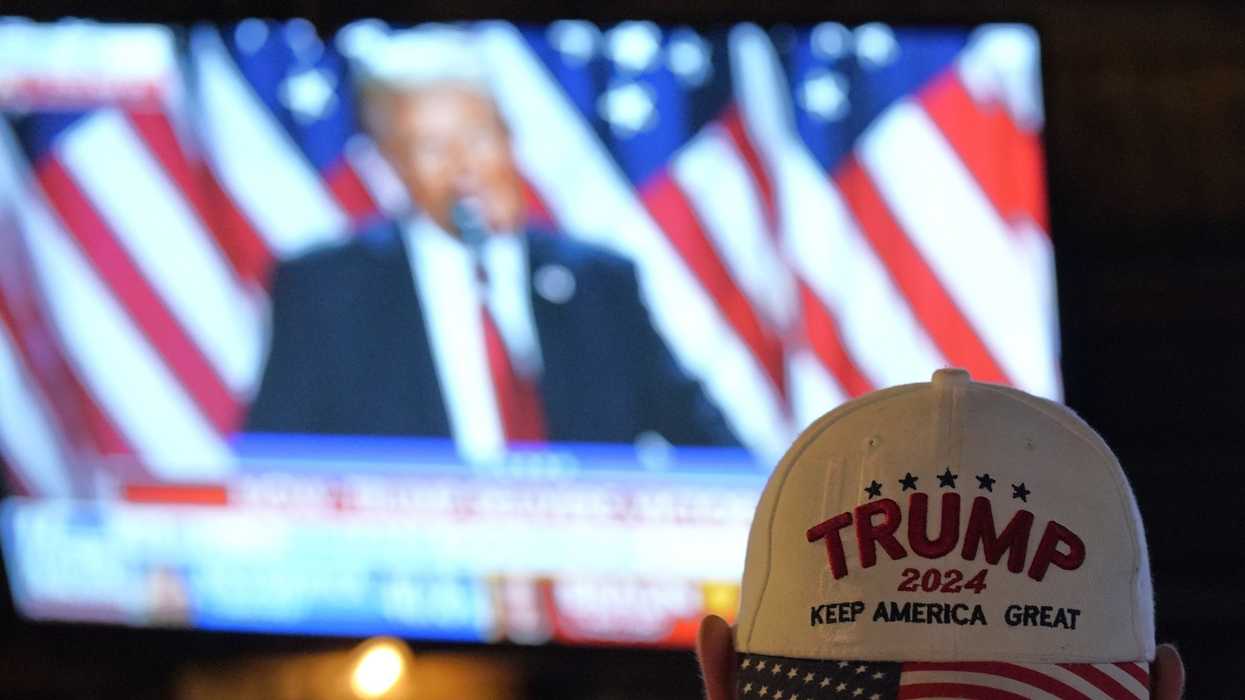
President Donald Trump followed on Truth Social, stating in part:
I have just viewed the clip of the event which took place in Minneapolis, Minnesota. It is a horrible thing to watch. The woman screaming was, obviously, a professional agitator, and the woman driving the car was very disorderly, obstructing and resisting, who then violently, willfully, and viciously ran over the ICE Officer, who seems to have shot her in self defense. Based on the attached clip, it is hard to believe he is alive, but is now recovering in the hospital.
Various videos of the incident do not show the vehicle running over the ICE agent; it does show the officer walking around at the scene right after the shooting.
This pattern is painfully familiar. Throughout 2025, as ICE raids intensified across the country, officials repeatedly justified aggressive tactics by portraying those targeted as inherently dangerous. Families watched loved ones taken away in pre‑dawn sweeps, only to hear federal leaders insist that whatever happened was the fault of the people being detained. The same logic is now being applied to a fatal shooting — a logic that treats vulnerability as guilt and tragedy as proof of wrongdoing.
The Trump administration’s immigration strategy shifted from symbolic toughness to full‑scale domestic operations in 2025. ICE raids surged — not just at workplaces or border zones, but in apartment complexes, grocery store parking lots, and residential neighborhoods. Reports from last year documented families torn apart in early‑morning sweeps, children returning from school to find parents missing, and entire blocks living under the constant threat of enforcement.
What should alarm all of us is not only the violence itself, but the shrinking space for accountability. Civil rights groups documented dozens of cases where enforcement actions violated due‑process norms or targeted people with no criminal history. Yet investigations stalled, oversight mechanisms weakened, and political leaders dismissed concerns as partisan attacks.
That erosion of restraint is the real crisis. When institutions fail to check abuses, abuses multiply. When leaders reward escalation, escalation becomes policy. And when fear becomes the organizing principle of governance, violence becomes inevitable.
Minneapolis Mayor Jacob Frey forcefully rejected the Department of Homeland Security’s version of events during a Wednesday afternoon press conference. He accused federal officials of rushing to frame the shooting as justified before the facts were known. “They’re already trying to spin this as an act of self‑defense,” Frey said, referring to ICE. “I’ve seen the video myself, and I want to say plainly: that’s nonsense.”
When leaders respond to violence by immediately blaming the dead, they erode public trust and inflame an already volatile climate. They signal to officers that the Trump administration will back them regardless of what investigations reveal. They signal to communities that their grief will be dismissed before the facts are known. And they signal to the country that political narratives matter more than human lives.
This is the greater danger of Trump and Noem’s response: it normalizes a posture of defensiveness and deflection at a time when accountability is desperately needed. In a moment when tensions are rising, and enforcement is becoming more aggressive, that instinct doesn’t just distort the truth — it accelerates the conditions that make future tragedies more likely.
We Are Approaching a Breaking Point
The Minneapolis shooting is a warning — not just about immigration enforcement, but about the direction of the country. We are entering a period where political pressure, declining approval ratings, and a volatile national climate are converging. Historically, that is when leaders reach for the most extreme tools available to them.
If 2025 was the year of sweeping raids, 2026 may be the year when those tactics become even more aggressive, more visible, and more dangerous. Communities already living in fear will be pushed further into the shadows. And the line between law enforcement and intimidation will blur even further.
The question now is whether we treat Minneapolis as a tragic anomaly or as the flashing red warning light it truly is. We can continue down a path where fear governs policy and violence becomes routine. Or we can demand a different approach — one grounded in accountability, restraint, and the basic recognition that no community should live under siege.
The window to make that choice is closing. If we ignore the lessons of 2025 and the warning signs of the first days of the new year, we will look back on the Minneapolis shooting not as the moment everything changed, but as the moment we failed to change course.
Hugo Balta is the executive editor of the Fulcrum and the publisher of the Latino News Network