


Society needs people to take risks. Entrepreneurs who bet on themselves create new jobs. Institutions that gamble with new processes find out best to integrate advances into modern life. Regulators who accept potential backlash by launching policy experiments give us a chance to devise laws that are based on evidence, not fear.
The need for risk taking is all the more important when society is presented with new technologies. When new tech arrives on the scene, defense of the status quo is the easier path--individually, institutionally, and societally. We are all predisposed to think that the calamities, ailments, and flaws we experience today--as bad as they may be--are preferable to the unknowns tied to tomorrow.
This mental handicap probably helped us survive at some point, but excessive hesitancy can be paralyzing in the short-run and fatal in the long-run. Think of the lives that could have been saved had seat belts been adopted sooner. Imagine the diplomacy that may have occurred and, by extension, the wars avoided, if the telegraph were available decades earlier. Ponder how diffusion of electricity across America over the course of a few years, rather than a few decades, could have improved the quality of life for millions.
Each of these technological advances required individuals willing to test ideas, to fail, and to persist. Seat belts were far from popular when initially introduced. People doubted their efficacy and pushed back on related regulations. The officials and organizations that saw through skepticism and worked diligently to provide more evidence, demonstrations, and case studies related to these novel devices deserve tremendous thanks.
The laying of the first telegraph cables did not go well. Rough seas and resource constraints all made this infrastructure feat something that a risk-averse person would avoid like the middle seat. Yet, a few such people didn’t shy away from the hope of rapid communication. We’re in their debt, too.
Advocates for electricity faced their own hurdles. Consider Lyndon B. Johnson, then a just local politician, forcefully pushing the federal government to invest in the electrification of rural Texas. Some thought such investments were unnecessary or better left to another time. Johnson and others insisted.
Risk-taking, in hindsight, tends to look like the common sensical path. Of course, there are exceptions--there’s a difference between risks and true gambles. The former are grounded in more than mere speculation; they are based on specific moral principles and technological understandings. When people take those kinds of risks, we all tend to benefit.
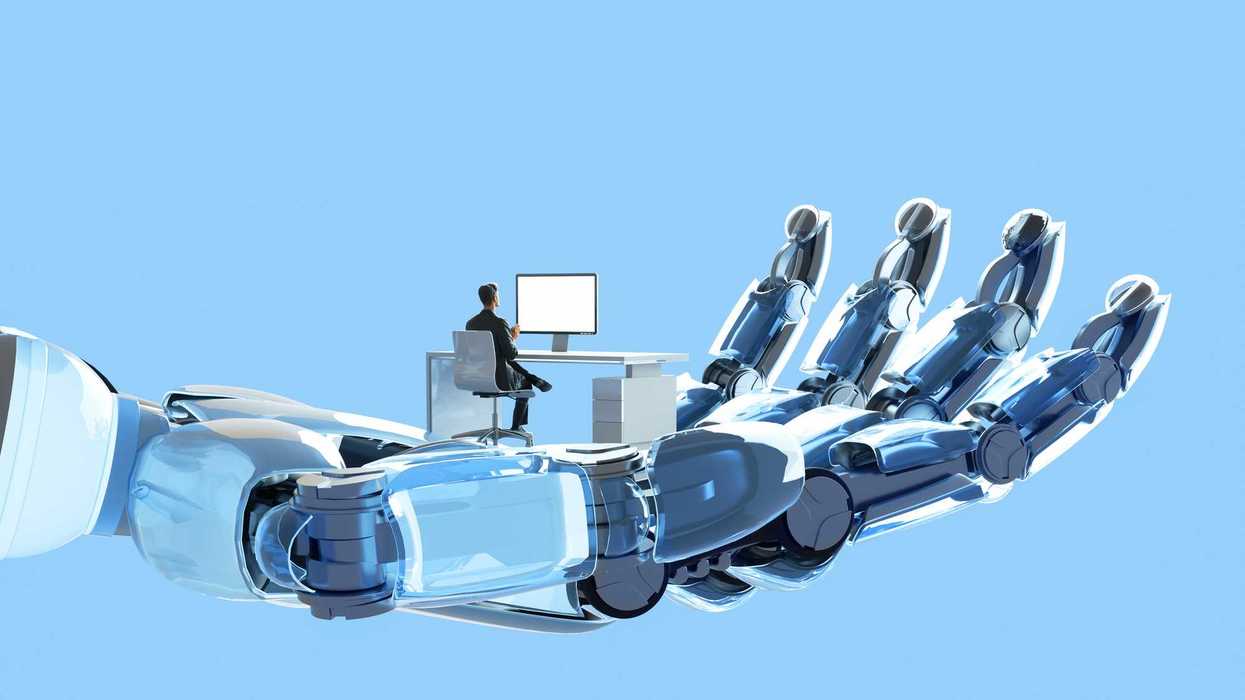
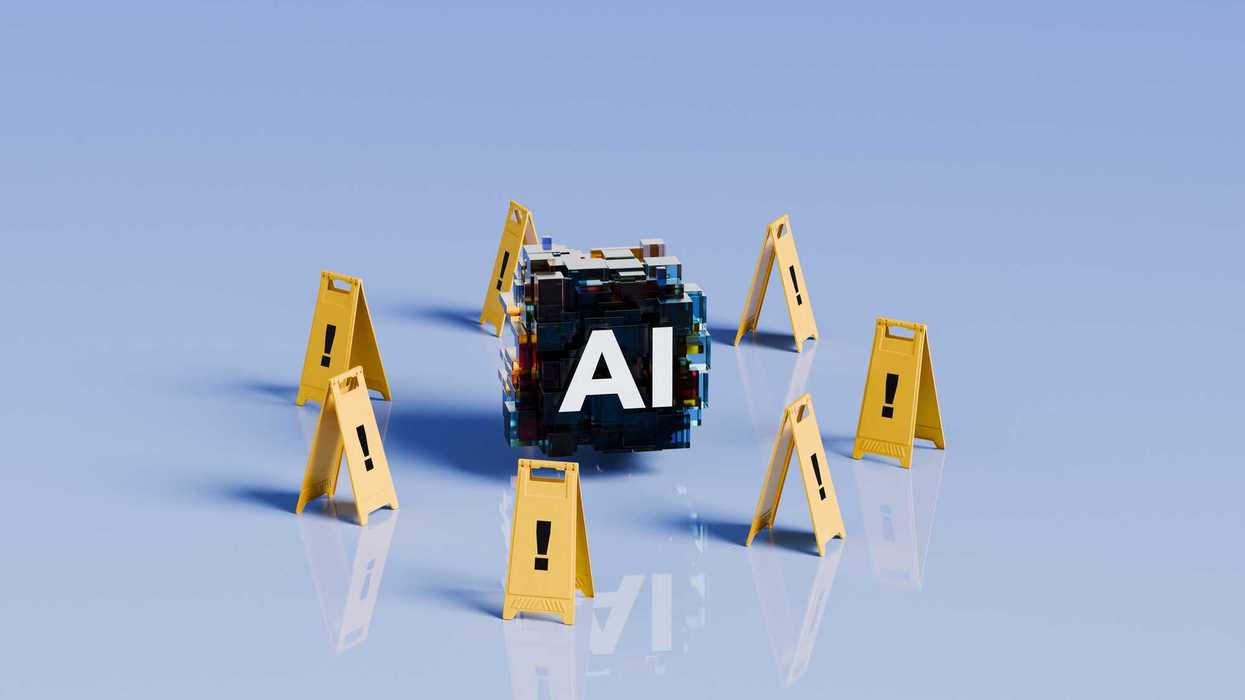
The same is true in the Age of AI. Many Americans are understandably underwhelmed by artificial intelligence (AI) systems that seem little more than slop machines and job destroyers. It’s politically and culturally easy to take the view that AI is a net negative and to resist its application in new situations.
That’s precisely why we need another generation of risk-takers and, to be more precise, optimists. We won’t realize the benefits of AI in health care, education, and transportation, unless three conditions are met: policymakers with sufficient popular support to experiment with novel regulations; institutions with the proper staff, technology, and financial flexibility to test new workflows and develop new products; and, founders with access to the funds required to build the AI we actually want.
None of these conditions will be satisfied if pessimism abounds. Pessimism induces zero-sum thinking. You’ll rarely meet a doomsday prepper keen to share their cans of beans. Extreme doubt about tomorrow saps risk-taking energy like a wet blanket on a bonfire.
Skepticism, however, is necessary. It’s grounded in curiosity and invites further investigation. What’s even better, though, is optimism. Optimism cultivates risk-taking by making it socially-, financially-, and politically-easier to bet on the future.
Many aspects of technological disruption caution against such optimism. We’ve heard the promise of technology before, only to see it fray our social fabric and upend our economy. That’s why optimism must be paired with the proper institutional governance that fosters the right distribution of risk and reward.
To borrow from Betsey Stevenson, “The lesson is not that technology is bad, but that productivity gains do not automatically translate into flourishing. They only do so when societies build institutions that make the new economic regime first tolerable, and then genuinely beneficial, for most people.”
But that core task—building, redesigning—won’t occur if pessimism is pervasive. It requires the sort of imagination and investment only possible with some degree of optimism.
The tricky part is how to generate that outlook. There’s no deposit of optimism in some mine—it’s something we have to create and sustain. The easiest place to start is challenging prophets of doom. Their ubiquity and dominance in the headlines quashes the seeds of hope. Simply by challenging those who say our best days are behind us, we can get closer to betting that there are brighter days ahead.