



See a problem? Create a solution that not only helps you but also others in your community.
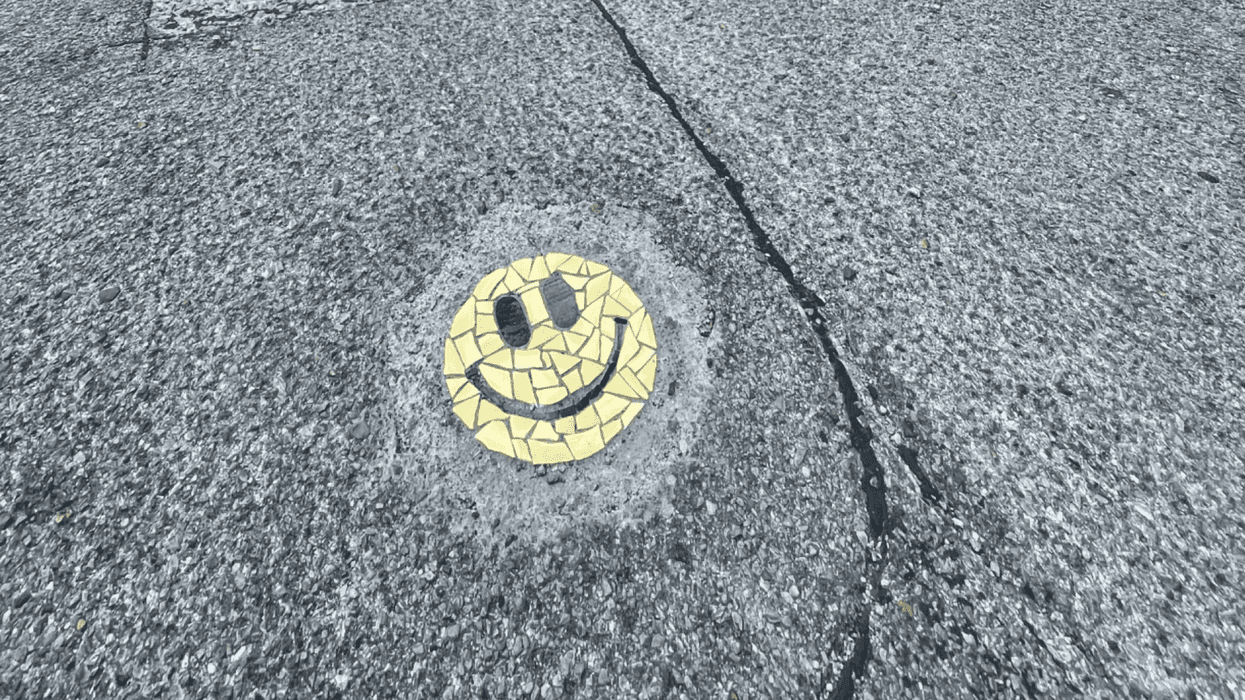
A Chattanooga artist, working anonymously, started patching potholes with colorful smiley-face mosaics — and, in doing so, accidentally launched a much bigger conversation. What began as a small, playful act quietly raised questions about how communities engage with public spaces, who takes responsibility for them, and what a little creativity can do when directed at everyday problems. Far from being just a local oddity, this kind of grassroots action offers a model worth paying attention to.
The “Potholes_of_Chattanooga” Instagram account bio reads “Subversive Urban Art: Repairing potholes in Chattanooga with joy. Watch the reels, then meander the town on a quest. Did you smile? Lemme know!”
The genius of the Chattanooga smiley faces is found in their elegant simplicity. By addressing a universal frustration—potholes that damage vehicles and epitomize municipal neglect—through an act of creative joy, the artist has discovered a formula that strikes a chord with residents.
These aren't just street repairs; they are a statement of hope. Each yellow-and-black mosaic transforms a symbol of civic failure, or at least of a pending repair, into a spark of unexpected delight, reminding passersby that beauty and problem-solving are not mutually exclusive.
What makes the Potholes of Chattanooga initiative particularly powerful is how it accentuates public art. Traditional civic art projects often involve lengthy approval processes, substantial budgets, and professional artists working within institutional constraints. The pothole mosaics, by contrast, emerge organically from genuine community need.
The anonymous artist did not wait for permission or funding; they simply saw a problem and responded with both practicality and whimsy. This approach makes art approachable and meaningful, placing it exactly where people encounter it in their daily lives rather than sequestering it in galleries or designated public art spaces.
The psychological effect of these interventions ought not to be underestimated. Municipal areas can feel impersonal and deteriorating, especially when infrastructure problems persist unaddressed. A smiley face mosaic does more than fill a hole in the asphalt; it fills a hole in the community's spirit. It sends a message that someone cares enough about their neighborhood to invest time and creativity in improving it. That sense of being seen and valued can ripple outward, inspiring others to contribute to their community in their own ways.
Moreover, the Chattanooga project demonstrates how citizen action can complement—or constructively pressure—official municipal services. While some might argue that such DIY repairs let city governments off the hook, the reality is more nuanced.
These mosaics draw attention to infrastructure problems that might otherwise be ignored, making invisible issues visible and even celebrated. When residents start creating maps for “smiley face scavenger hunts,” they are also documenting where road repairs are needed. The project becomes both a solution and an act of advocacy.
The artist's anonymity adds another intriguing dimension. By remaining unknown, the creator ensures the focus stays on the work and the community rather than on personal recognition. This selflessness challenges our culture's obsession with credit and fame, suggesting that meaningful contribution doesn't require a spotlight.
Perhaps most importantly, the smiley face mosaics remind us that civic engagement doesn't have to be solemn or bureaucratic. It can be playful, spontaneous, and joy-filled. Communities struggling with cynicism and disengagement need projects that make citizenship feel creative rather than dutiful, accessible rather than intimidating.
Every community faces its own version of the pothole problem—some persistent, visible flaw that becomes a symbol of neglect. Whether it's crumbling infrastructure, barren public spaces, or deteriorating facades, these problems await creative solutions. The Chattanooga model shows that ordinary citizens, armed with imagination and determination, can transform these problems into opportunities for connection and beauty.
Cities do not need to wait for the next anonymous mosaic artist to appear. They are able to cultivate environments where such creativity flourishes by celebrating citizen-initiated improvements, creating pathways for citizen-led beautification projects, and recognizing that at times the best civic solutions come not from city hall, but from someone who's simply had one too many flat tires and decided to do something about it—with a smile.
Lynn Schmidt is a columnist and Editorial Board member with the St. Louis Post-Dispatch. She holds a master's of science in political science as well as a bachelor's of science in nursing.








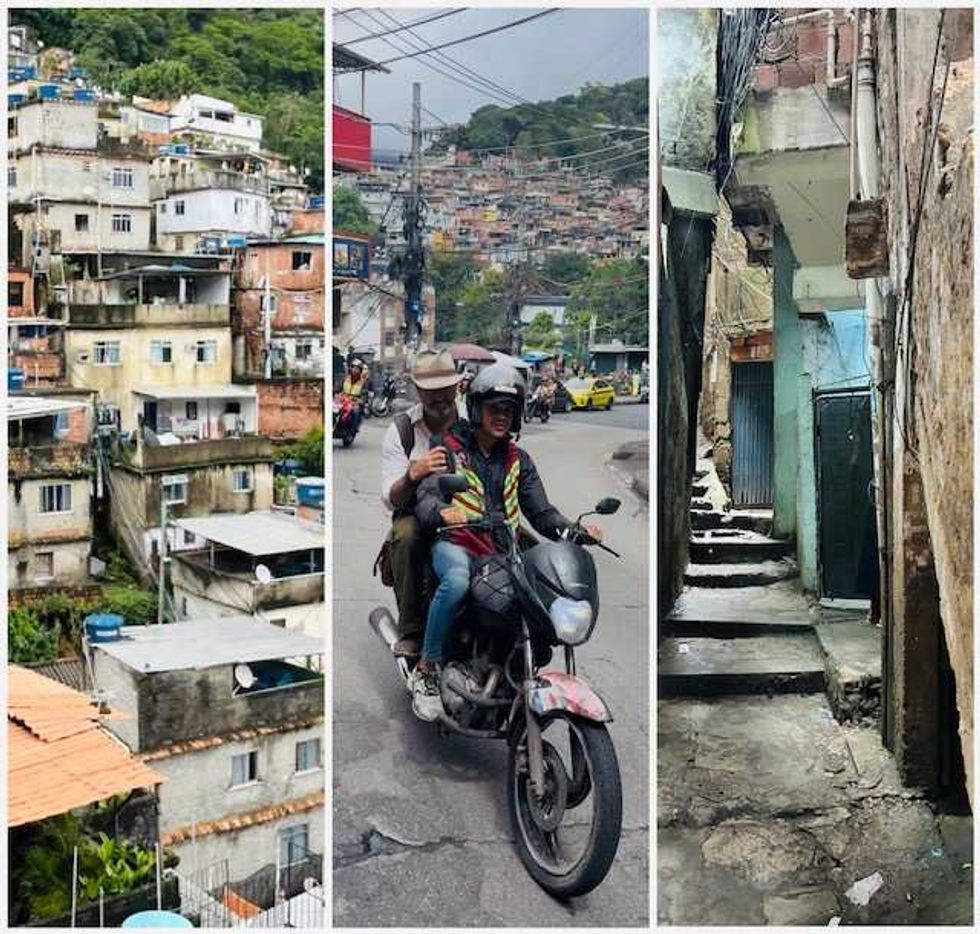 Scenes from Favela Rocinha, Brazil - (R-L) Rows of brick homes, Hugo Balta on a motorcycle taxi, and steep, winding roadsHugo Balta
 Following our HWF Civic Futures kickoff last week with Eric Liu, our design partners at Public/Official have created a unique visual to capture the “civic scaffolding” spirit of this conversation.
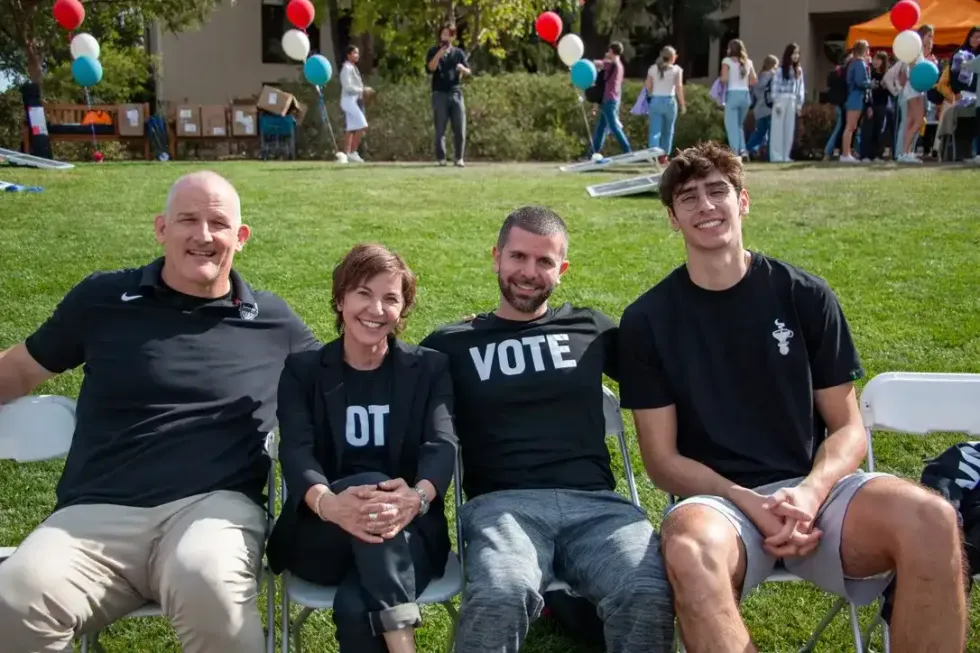 Lisa, Coaches Rev and Matt Elkin, and former Stanford Men’s Basketball star Maxime Raynaud at Stanford’s “All Vote No Play” Democracy Day, 2025