
Skip to content
Search

Latest Stories

Top Stories

Read More

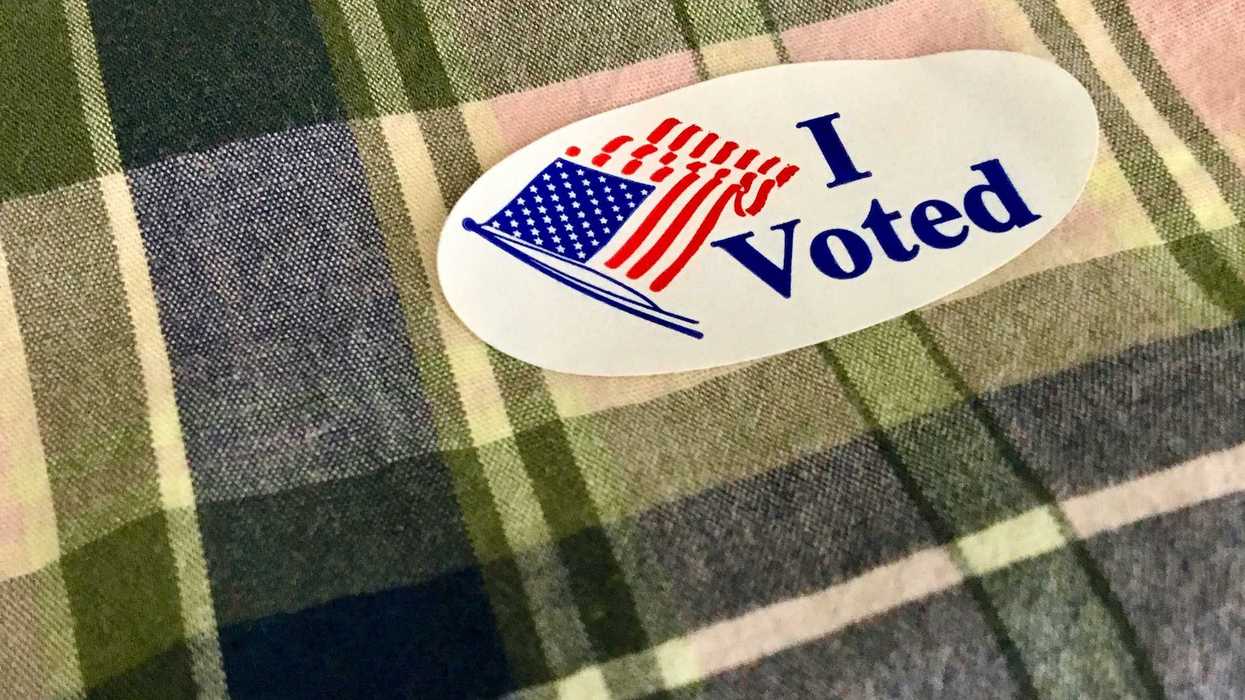
A person putting on an "I Voted" sticker.

The Supreme Court’s review of Louisiana v. Callais could narrow Section 2 of the Voting Rights Act and limit challenges to racially discriminatory voting maps.

Getty Images, kali9

Louisiana v. Callais: The Supreme Court’s Next Test for Voting Rights

Background and Legal Landscape

Section 2 of the Voting Rights Act of 1965 is one of the most powerful tools for combatting racial discrimination in voting. It prohibits any voting law, district map, or electoral process that results in a denial of the right to vote based on race. Crucially, Section 2 allows for private citizens and civil rights groups to challenge discriminatory electoral systems, a protection that has ensured fairer representation for communities of color. However, the Supreme Court is now considering whether to narrow Section 2’s reach in a high profile court case, Louisiana v. Callais. The case focuses on whether Louisiana’s congressional map—which only contains one majority Black district despite Black residents making up almost one-third of the population—violates Section 2 by diluting Black voting power. The Court’s decision to hear the case marks the latest chapter in the recent trend of judicial decisions around the scope and applications of the Voting Rights Act.

Keep ReadingShow less
A person putting on an "I Voted" sticker.

The Supreme Court’s review of Louisiana v. Callais could narrow Section 2 of the Voting Rights Act and limit challenges to racially discriminatory voting maps.

Getty Images, kali9

Louisiana v. Callais: The Supreme Court’s Next Test for Voting Rights

Background and Legal Landscape

Section 2 of the Voting Rights Act of 1965 is one of the most powerful tools for combatting racial discrimination in voting. It prohibits any voting law, district map, or electoral process that results in a denial of the right to vote based on race. Crucially, Section 2 allows for private citizens and civil rights groups to challenge discriminatory electoral systems, a protection that has ensured fairer representation for communities of color. However, the Supreme Court is now considering whether to narrow Section 2’s reach in a high profile court case, Louisiana v. Callais. The case focuses on whether Louisiana’s congressional map—which only contains one majority Black district despite Black residents making up almost one-third of the population—violates Section 2 by diluting Black voting power. The Court’s decision to hear the case marks the latest chapter in the recent trend of judicial decisions around the scope and applications of the Voting Rights Act.

Keep ReadingShow less
Can MAGA go any lower defending Donald Trump?

U.S. president Donald Trump delivers remarks at the U.S.-Saudi Investment Forum at the John F. Kennedy Center for the Performing Arts in Washington, D..C on Nov. 19, 2025.

(Brendan Smialowski/AFP via Getty Images/TCA)

Can MAGA go any lower defending Donald Trump?

I remember it well. It was Oct. 7, 2016, a Friday. That afternoon The Washington Post dropped a bombshell, the perfect October surprise, just a month before the presidential election.

Earlier in the week, Hillary Clinton had been hammering Donald Trump on the news that he may not have paid taxes for 18 years.

Keep ReadingShow less
From Bob Dylan to Kendrick Lamar: How Protest Music Still Shapes America in 2025
Bob Dylan | Xavier Badosa | Flickr

From Bob Dylan to Kendrick Lamar: How Protest Music Still Shapes America in 2025

Pop music has always been more than entertainment. Reflects society’s struggles, dreams, and contradictions.

Across the last fifty years, artists from Bob Dylan to Kendrick Lamar have given voice to war and peace, protest and resilience, identity and equality, economic struggle and hope. Their lyrics, written for a moment in time, echo with startling relevance in 2025.

Keep ReadingShow less