

Skip to content
Search

Latest Stories

Follow Us:
Top Stories

Podcast: Nationalism, race, and American party politics

Podcast: Nationalism, race, and American party politics

Since the election of Donald Trump in 2016, a party once based on free markets and multilateralism pivoted to a more nationalistic approach to immigration, trade, and military alliances.

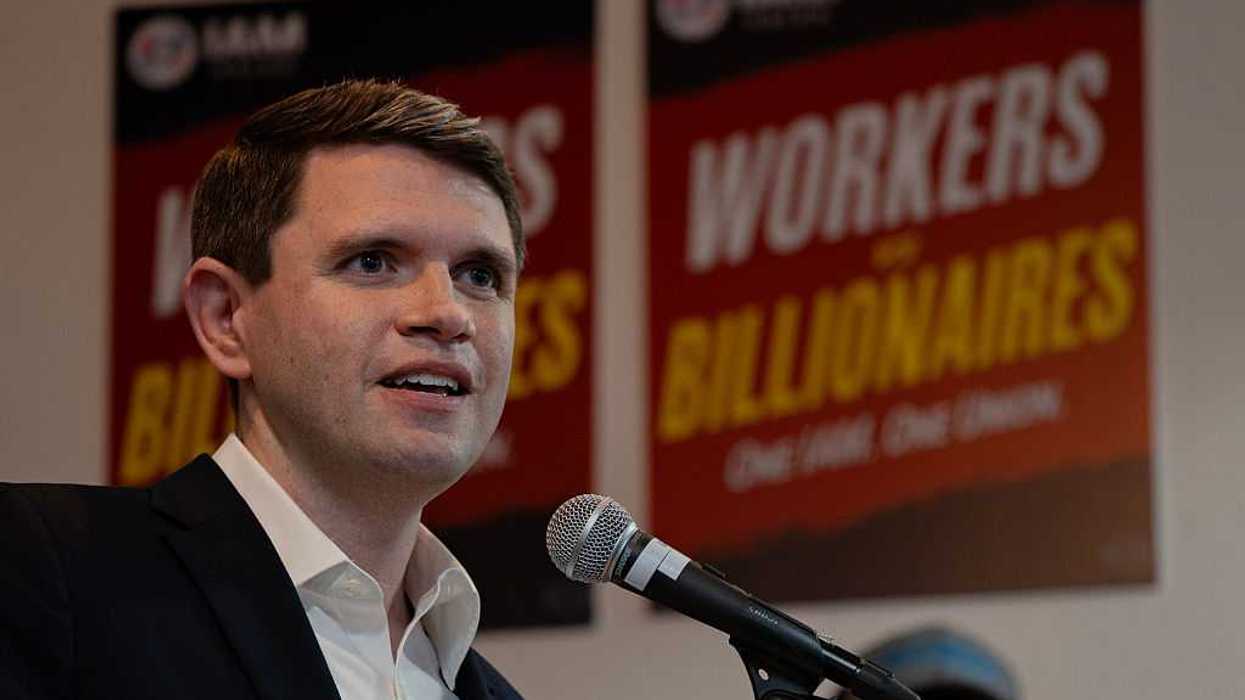
In this episode, Leonie Huddy discusses how - despite the fact nationalist sentiment has declined in the US over the last 20 years - a mix of political opportunism and economic conditions have led to the adoption of nationalist policies by the GOP.

Listen here.

Read More

Entrance Sign at the University of Florida

Universities are embracing “institutional neutrality,” but at places like the University of Florida it’s becoming a tool to silence faculty and erode academic freedom.

Getty Images, Bryan Pollard

When Insisting on “Neutrality” Becomes a Gag Order

Universities across the country are adopting policies under the banner of “institutional neutrality,” which, at face value, sounds entirely reasonable. A university’s official voice should remain measured, cautious, and focused on its core mission regardless of which elected officials are in office. But two very different interpretations of institutional neutrality are emerging.

At places like the University of Wisconsin – Madison and Harvard, neutrality is applied narrowly and traditionally: the institution itself refrains from partisan political statements, while faculty leaders and scholars remain free to speak in their professional and civic capacities. Elsewhere, the same term is being applied far more aggressively — not to restrain institutions, but to silence individuals.

Keep ReadingShow less