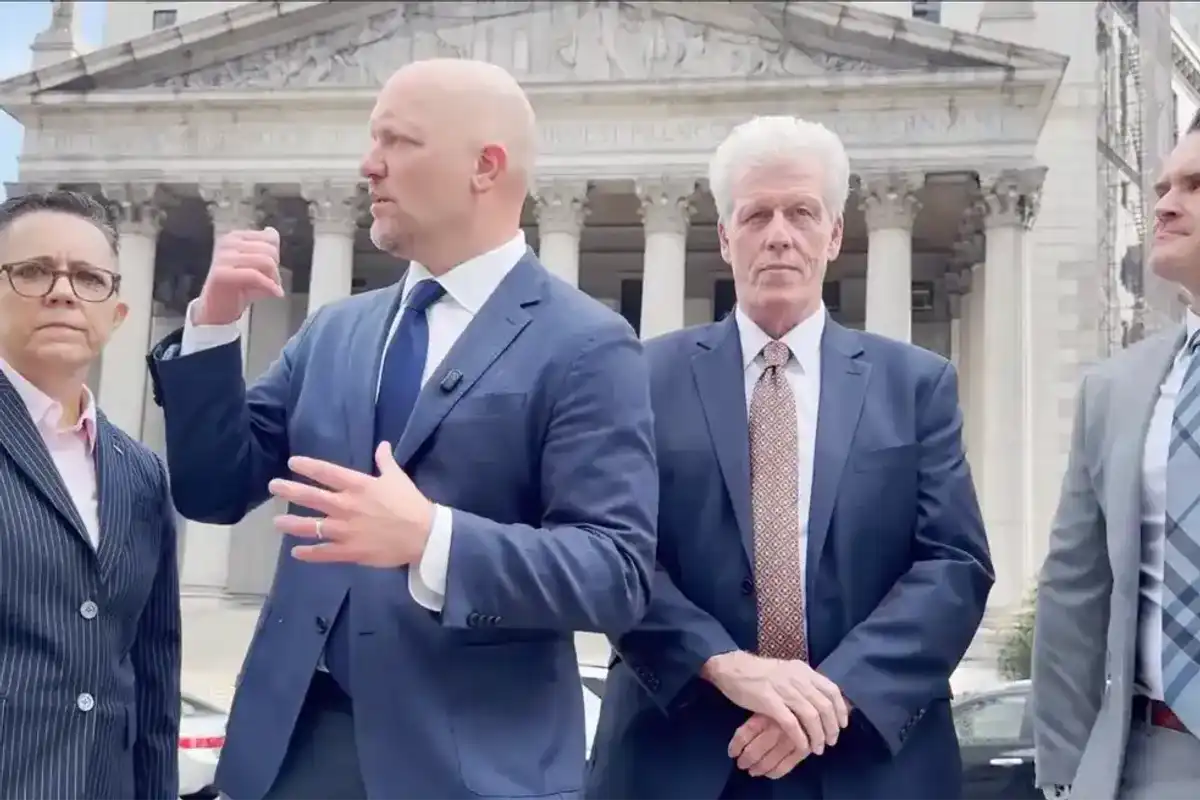

The Democracy Initiative is a coalition of 75 progressive groups advocating for voting rights and campaign finance regulation. On the board are Karen Hobert Flynn of Common Cause, Tefere Gebre of the AFL-CIO, Ray Curry of the United Auto Workers union, Derrick Johnson of the NAACP, Virginia Kase of the League of Women Voters, Erich Pica of Friends of the Earth, K. Sabeel Rahman of Demos and Gustavo Torres of CASA.
In the United States, we the people elect our leaders and every voter has the right to have her or his vote counted.
That article of faith has sustained us to this Election Day. But our democracy is facing a severe and unprecedented stress test. During a historically deadly coronavirus pandemic that has remade the campaign, we have seen attempts to make it harder for people to vote safely, efforts backed by "dark money"to cast doubt on the legitimacy of the results; and a new Supreme Court justice rushed through the Senate just days before a presidential election that may very well require a ruling by that very same court.
Despite all these cynical maneuvers, a record-shattering 97 million had already cast their ballots, by mail or in person, by the start of Monday afternoon — suggesting that, by the time voting ends Tuesday, the share of eligible voters turning out will be greater than in more than a century. It will be up to state and local election officials, not any candidate, to process, count and certify the results.
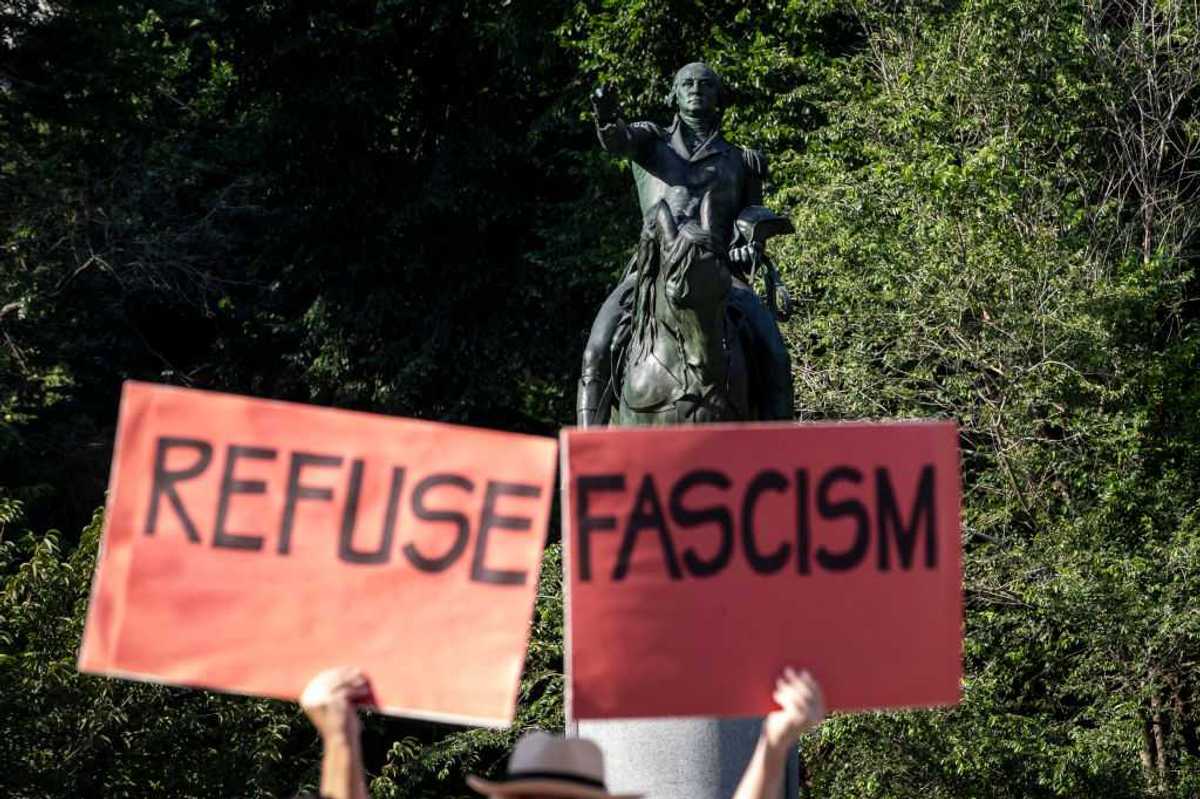
There are no sidelines in our democracy. Every citizen, regardless of party; every nonprofit organization, regardless of mission; and every business, regardless of industry, has a role to play in standing up for civil society, the rule of law and the peaceful transfer of power after an election. We take these things for granted in the United States — but there is no law of politics or physics that guarantees a stable democratic outcome. We the people do that.
Our organizations are part of a vibrant grassroots democracy movement fighting to expand ballot access and create more equitable, healthy options for voting. As detailed in our "Roadblocks and Remedies" report, our movement has successfully won voting reforms in dozens of states. As a result, all but five states are allowing absentee voting without an excuse this fall and all but seven states had early in-person voting.
The story of voting, however, doesn't end when a ballot is cast. It's got to be counted. And we'll be making sure that happens.
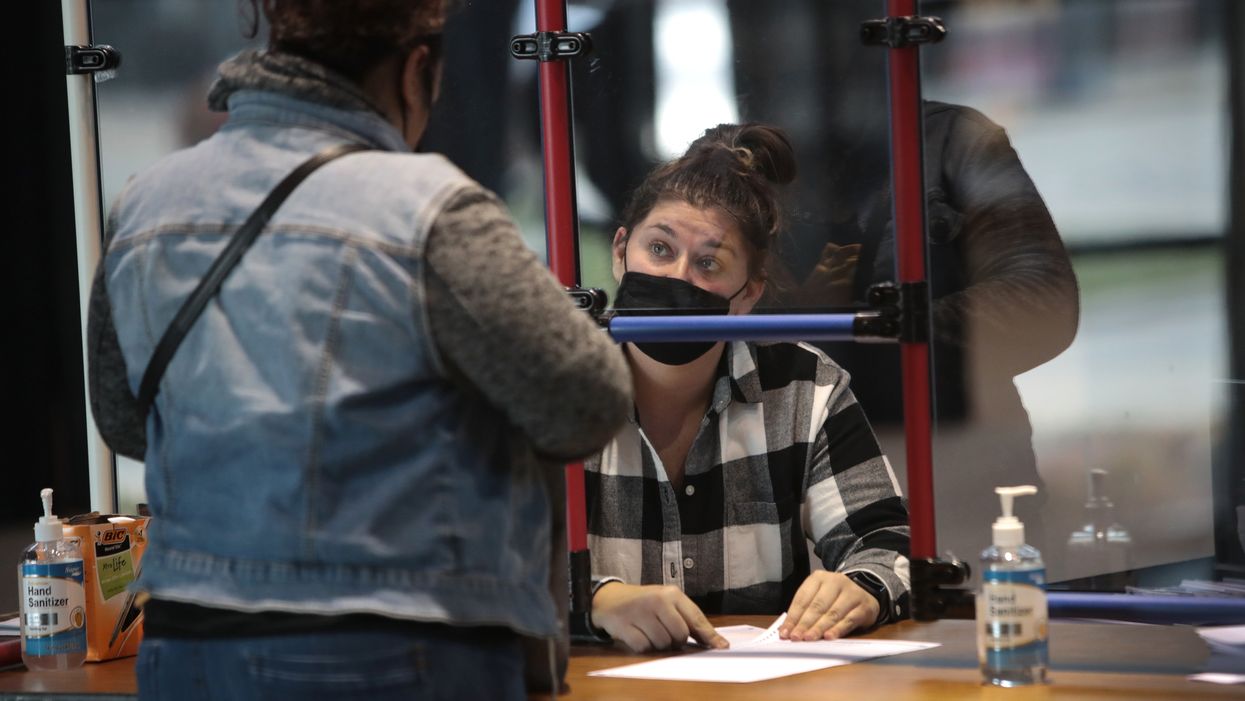
Along with other civic organizations, we're working to make sure every vote is counted in this historic election, and to keep polling places safe from the coronavirus and from illegal attempts to intimidate voters. And we have been engaged in coast-to-coast voter education, explaining that this year's final results will probably not be available on Tuesday night. Counting tens of millions of vote-by-mail ballots may take more time than usual. It's more important to get it right than to get it done fast.
We're encouraged that business leaders from organizations including the Business Roundtable, the Chamber of Commerce, the Leadership Now Project and the Civic Alliance have joined the effort to ensure a fair and transparent electoral process. All these groups are urging patience and civility during the time it takes for local and state election officials to count every vote. Players associations from major sports leagues have actively promoted civic engagement and voting too. And it's good to see the Major League Baseball and NFL commissioners have signed the Civic Alliance statement on election integrity.
This common-sense pledge to uphold the integrity of our democracy deserves support from every private sector employer. Business leaders have enormous influence with both political parties. The private sector also gains enormous benefit from the long history of political stability in the United States. This, in turn, creates the stable labor, capital and consumer markets that drive sales, revenue and profits.
As business leaders learned in the aftermath of George Floyd's murder, keeping a low profile during periods of social and political controversy is not an option in today's fast-moving, information-hungry environment. Standing together, business and civil society can send a strong message that we won't tolerate any false claims about our elections or any attempt to manipulate results and overturn the will of voters.
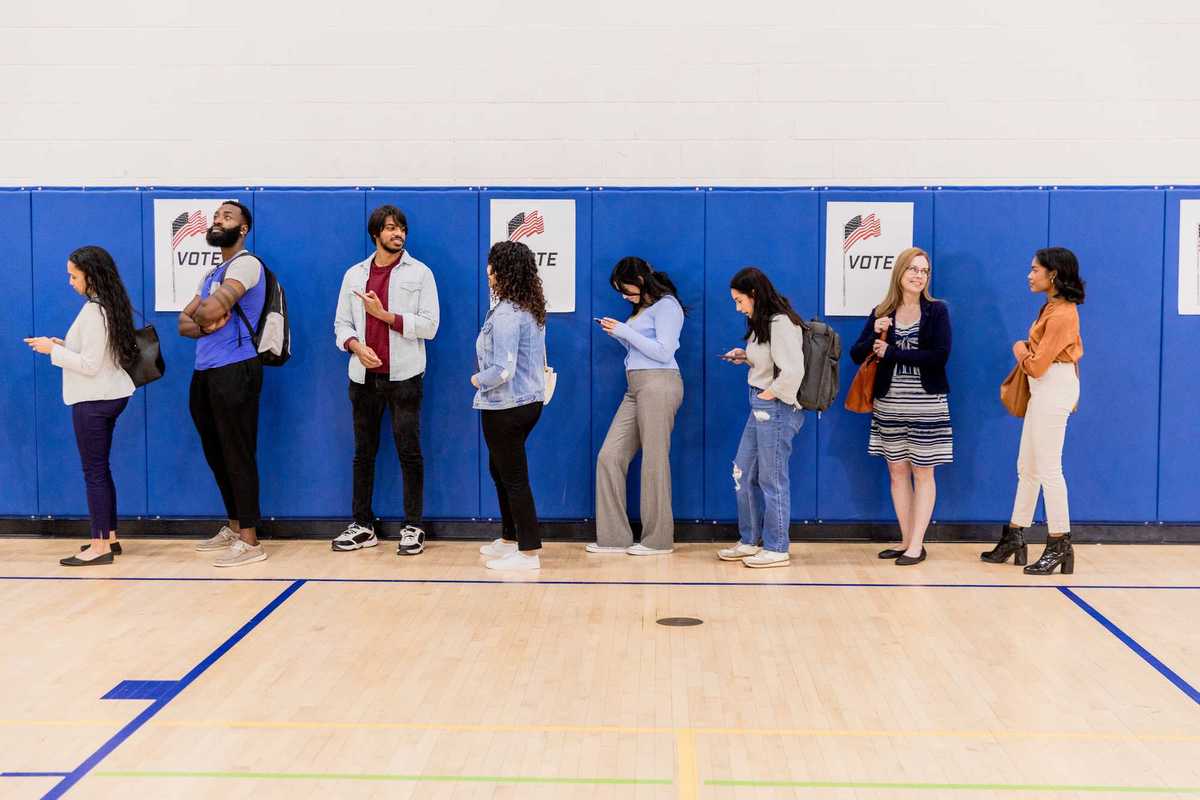
It's inspiring to see tens of millions of Americans sending in their mail ballots, standing in line to vote and taking active steps to participate in our democracy. We owe them a free and fair election, with every vote counted and all results respected. That's our mission in the coming days. The more people, organizations and businesses who join us, the greater our voice will be — not only on Election Day but in the crucial days to follow.









 Scenes from Favela Rocinha, Brazil - (R-L) Rows of brick homes, Hugo Balta on a motorcycle taxi, and steep, winding roadsHugo Balta