




Scientists regularly study the ongoing degradation of Earth’s environment and track the changes wrought by a warming planet. Economists warn that intensifying disasters are harming people’s quality of life. And policymakers focus on crafting rules to diminish the health and environmental effects of humanity’s growing footprint.
What is the role of philosophers and people of faith in this bigger discussion around the environment and sustainability? Rita D. Sherma is co-chair of a research initiative aimed at bringing the beliefs of religion, spirituality and ethics to the study of sustainability. Here she explains the core ideas behind “green spirituality,” how religion and environmental protection are closely intertwined and the role faith can play in restoring hope amid the drumbeat of discouraging environmental news.
What is green spirituality?
Green spirituality is an orientation to the divine, or supreme reality, that is grounded in our experience of life on planet Earth. It respects the miracle of life on this planet and recognizes our relationship with it. Such a spirituality can have God or the divine as the focus, or it can be oriented toward the Earth and its ecosystems for those outside of organized religion. It encourages a contemplative and harmonious relationship to the Earth.
Green spirituality seeks to harness the spiritual traditions of the world to energize the effort to restore planetary ecosystems and stop future harms.
The rights of nature movement wants to give sacred rivers the same legal protections as people.
Why do spiritual and religious teachings belong as part of the global conversation on the environment?
First, 80% of the world’s population practices an established religion or a spiritual tradition that offers community, support and resources for resilience.
Second, as I have written in my new book on religion and sustainability, better technology will help human communities restore ecosystems. More and better data, such as computations to forecast disasters, will also be helpful. But both are inadequate in the face of human denial and recalcitrance.
In my book, I write: “Planetary survival is now predicated upon the alignment of our notions of both human and ecological rights with our highest principles. As such, ways of knowing that are embedded in religion, philosophy, spiritual ethics, moral traditions, and a culture that values the community and the commons – as an essential resource for the transformation necessary for environmental regeneration and renewal – are indispensable.” In other words, people on Earth need to tap into the ways of thinking from these faith traditions to address the environmental crises we face now.
Can faith and religion help counter rising eco-anxiety?
Catastrophic wildfires across the planet, extreme weather patterns that destroy homes and histories, degraded soil, toxic air, unsafe water and the desecrated beauty of places we have loved are causing climate trauma and eco-anxiety. For those who are acutely aware of the cliff edge on which we stand as a species and as a planetary community, the despair evoked by the magnitude of the disaster is almost unbearable.
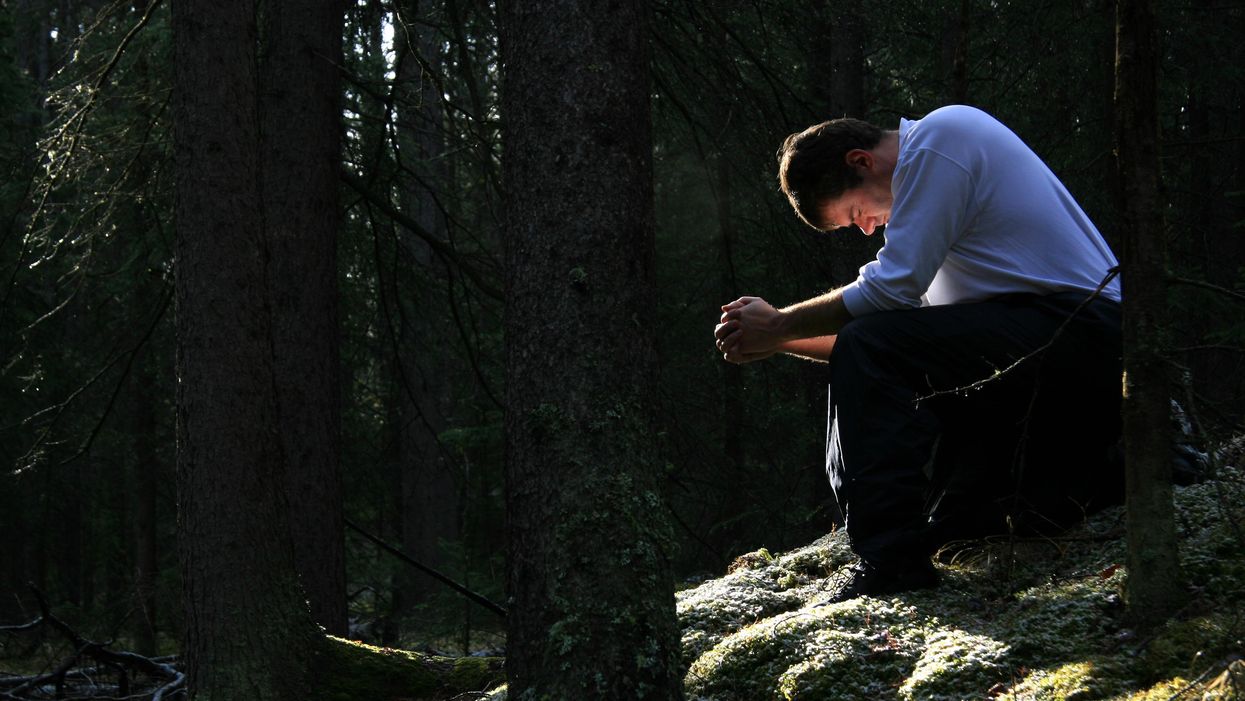
Religions, faiths, and spiritual practices can help in unique ways. In this space people can find community, peaceful practices of meditation, prayer, embodied sacred actions that include rituals and liturgies, and a ‘long view’ informed by the tragedies and triumphs faced by spiritual ancestors. Faith can provide hope and resilience in the midst of crises.
How do different faith traditions treat respect for nature?
Religions may disagree on many things, but each contains philosophical or theological orientations that can be interpreted and applied in ways that protect the Earth.
Some traditions such as Hindu, Yogic, Indigenous and others see the self as a microcosm of macrocosm, or a part of the greater whole. And, a profound sacred immanence, or integral divine presence, is woven through their philosophies. For these spiritual traditions, religious practice integrates trees, flowers, sacred groves, sanctified terrains, rivers, mountains and elements of the entire ecosphere into liturgical and personal practice.
Christian ecotheology focuses on stewardship and the ethics of Earth justice. A well-known Muslim ecotheologian speaks of the Earth as a mosque in reference to a saying (hadith) of the prophet – which renders the entire Earth as sacrosanct. Jewish ecological thinkers have envisaged the idea of “ Shomrei Adamah ” (Keepers of the Earth), which connects humanity and the Earth through divine love.
Buddhism’s spiritual aim is the absolute awareness of interconnectedness and mutual causality. Ahimsa, or noninjury to living beings and the Earth, is the highest doctrinal principle in Hinduism and Buddhism, and it is intensely followed in Jainism.
How are organized religions putting environmental protection into practice?
Many initiatives and conversations are happening among religions, and among interreligious leadership and international bodies – most importantly, the United Nations initiatives.
Some important conversations include the Interfaith Rainforest Initiative, which brings the dedication, impact, and moral authority of different faiths to restore the world’s rainforests and help empower the Indigenous peoples who view themselves as their protectors. Greenfaith is a global, multireligious climate and environmental movement. I also serve on the advisory board of the Yale Forum on Religion and Ecology, a pioneering international interreligious project at Yale University started by scholars Mary Evelyn Tucker and John Grim that ignited the academic field of religion and ecology as a global engaged force for the greening of religion.
How are environmental advocacy groups drawing in religion?
In 1985, the World Wildlife Fund established the U.K.-based Alliance of Religion and Conservation for developing partnerships with religious groups for collaborating on environmental protection. WWF’s Sacred Earth: Faiths for Conservation program collaborates with faith groups and religious communities who are committed to the view that the Earth is a sacred charge that demands the commitment of our care.
In November 2017, the U.N. “Environment Programme,” realizing the significance of religious communities as key actors, founded the Faith for Earth Initiative to engage with faith-based organizations as partners, at all levels, toward achieving the sustainable development goals and realizing the 2030 agenda. The initiative affirms that “ Spiritual values drive individual behaviours for more than 80 per cent of people.”
In fall 2020, the Parliament of the World’s Religions and the U.N. Environment Programme jointly published a book titled “ Faith for Earth – A Call for Action,” which provides an overview of the diversity of religious principles and practices that support action for the protection of the Earth.
This article is republished from The Conversation under a Creative Commons license. Click here to read the original article.