NOGALES, SONORA, MEXICO — What was meant to be a historic first for America’s pastime — a Mexican Pacific League baseball franchise anchored north of the border — has become a bureaucratic curveball.
The newly relocated Tucson, Arizona, baseball team — formerly the Mayos de Navojoa from Sonora, Mexico — has yet to fulfill a long-held dream shared by fans on both sides of the border: bringing professional Mexican winter baseball to U.S. soil.
A shift in U.S. State Department visa requirements for foreign players has forced the team to open its season on the wrong side of the border.
Rather than playing its “home” games in Tucson, the team kicked off the season in Hermosillo, Sonora. Meanwhile, Tucson’s venerable Kino Veterans Memorial Stadium remains without a tenant. In recent weeks, the team has been unable to host either the Yaquis from Ciudad Obregón or the Tomateros de Culiacán.
“We’re on a journey of playing as the home team while away,” Esteban Haro, the team’s sports manager, told El Imparcial, a Sonora-based regional newspaper.
What was billed as a cross-border experiment in baseball diplomacy — and a triumphant debut — has instead turned into an extended road trip for the Mexican Pacific League’s first U.S.-based franchise. Borderland fans from southern Arizona to northern Sonora are growing frustrated as the saga becomes a lesson in how geopolitics and bureaucracy can sap the joy from a sport.
“They are in the same situation, maybe even worse”, said Jesús Enrique Chiquete Cruz, a former Mexican professional baseball player, reflecting the anger many former Navojoa fans feel after the owners of the franchise decided to abandon the city and take their team north of the border.
The Mayos’ relocation — brought on by declining attendance, an aging stadium, and a drop in sponsorships since the COVID-19 pandemic — was supposed to mark a milestone for the Mexican Pacific League.
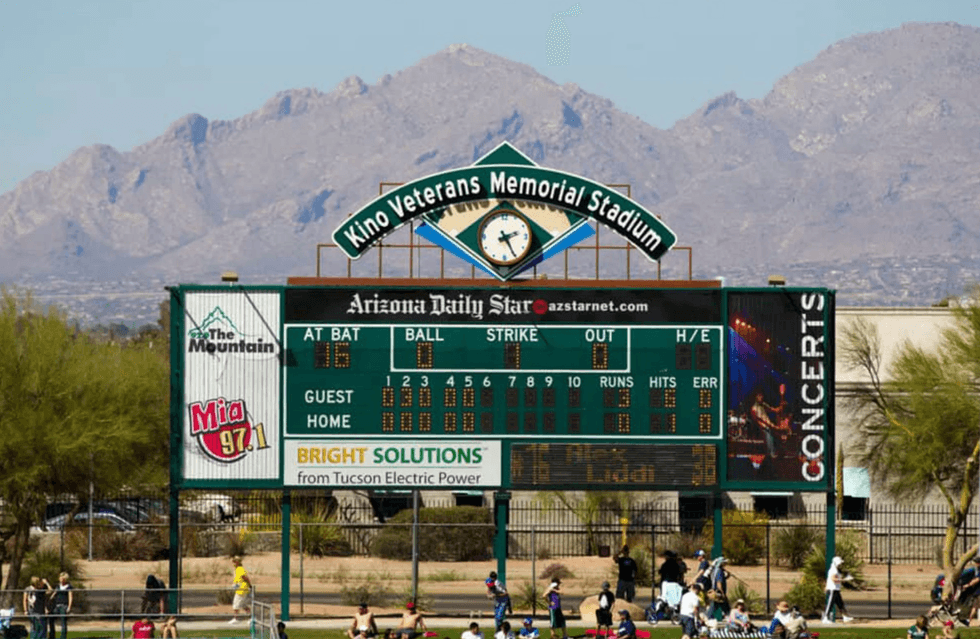 The Santa Catalina Mountains rise behind the scoreboard at Kino Veterans Memorial Stadium in Tucson, Arizona. Photo courtesy of Kino Sports Complex
The Mexican league, which has added the name Arco for sponsorship reasons, has long been a showcase for U.S. teams’ prospects and future stars.
Some U.S. Major League players spend their offseason playing in the Mexican league to stay active, refine their skills, or maintain a competitive rhythm. Other U.S. players recovering from injuries or looking for extra playing time often join Pacific League teams to stay sharp before spring training.
Seattle Mariners outfielder Randy Arozarena and Toronto Blue Jays catcher Alejandro Kirk — both of whom took part in this year’s American League pennant series won by the Jays — once played for Mexican teams.
That tradition has helped make the league one of the highest-caliber tournaments in winter baseball.
Founded in 1950, the Mayos de Navojoa were a cornerstone of baseball in southern Sonora, playing at the Manuel “Ciclón” Echeverría Stadium and winning two league championships, most recently in the 1999–2000 season. Generations of fans packed the stands to watch local heroes and future U.S. Major League players take the field.
But in recent years, the franchise struggled to stay afloat.
“It was no longer sustainable,” team owner Víctor Cuevas said at a press conference in May announcing the team’s relocation plans. Cuevas said his team instead would move to Tucson in search of a larger market and a modern stadium. It would create a symbolic bridge between Mexican and American baseball cultures.
The move promised a sports renaissance for Tucson.
The city has been without a Triple-A team since 2013, when the Tucson Padres, an affiliate of the San Diego Padres, moved to Texas, to become the El Paso Chihuahuas. Tucson officials hailed the Mayos’ arrival as a win-win.
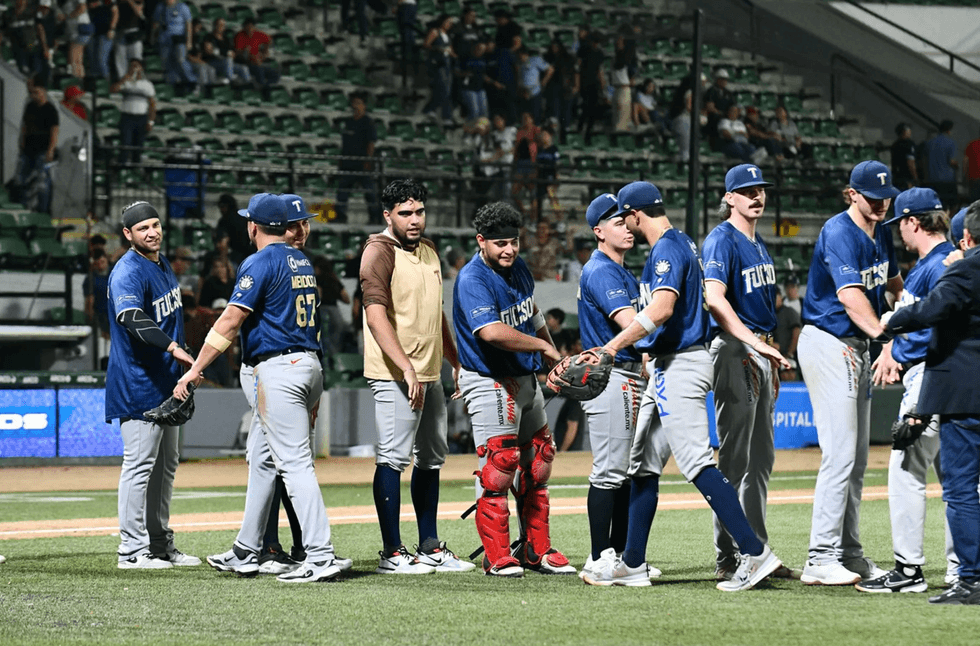 The Tucson baseball team after a game against the Algodoneros de Guasave.Photo courtesy of the Tucson baseball team
Kino Stadium would finally have a tenant again. The Mexican league would extend its reach to Latino fans in the United States and attract supporters from northern Sonora.
Anticipation built on both sides of the border. The team’s debut in mid-October was to be more than a ball game — it was billed as a celebration of binational identity, uniting two baseball-loving cultures.
But just days before the opener, the plans unraveled.
We “officially announce that the start of the Tucson Baseball Team's season at Kino Veterans Memorial Stadium will be postponed until further notice,” said the Mexican Pacific League in a statement, “due to ongoing legal processes with U.S. authorities.”
Those authorities informed the team that most players and coaching staff could not enter the country under their current B-1/B-2 visas, typically intended for tourism or short business visits. Because the franchise had permanently relocated its operations to the United States, players now required visas specifically made for professional athletes.
That bureaucratic shift effectively benched the entire roster. The recent government shutdown halted many immigration processes, and new visa approvals are delayed.
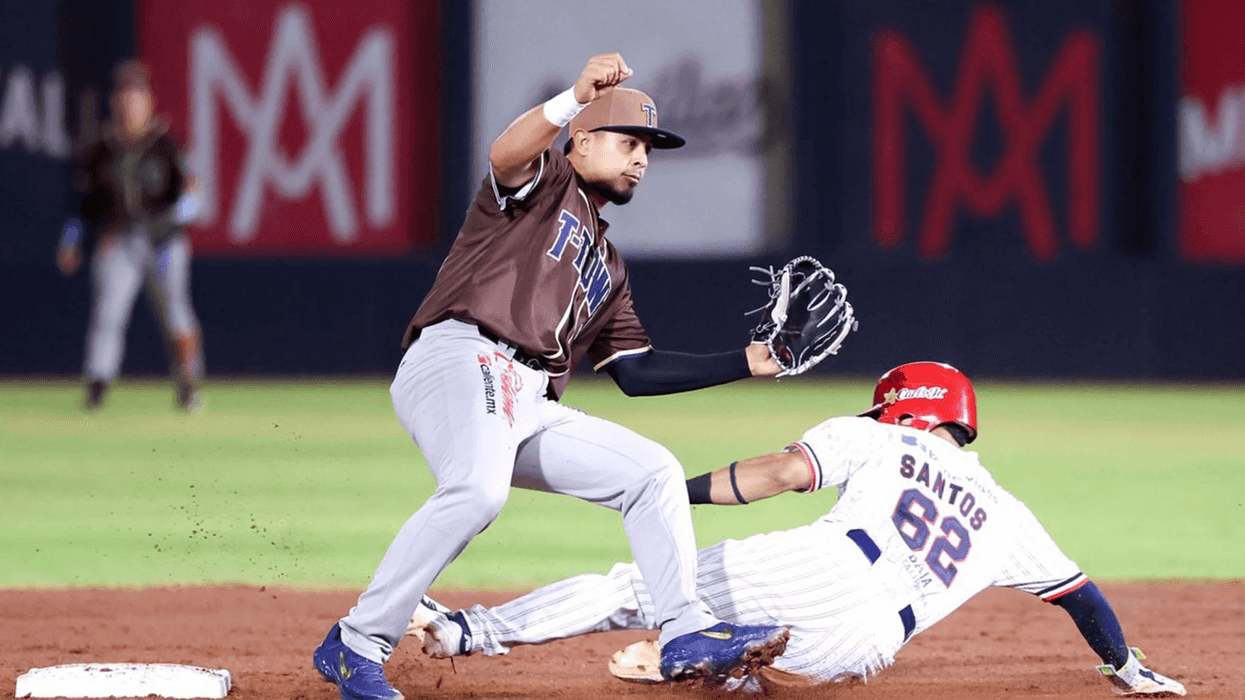
As a result, the Tucson team played its opening series against the Naranjeros de Hermosillo on the rival’s home field in mid-October — an awkward start to what was supposed to be a historic season, and one that has set the tone ever since.
The visa situation has rippled far beyond baseball.
Immigration delays have disrupted several binational sports and cultural exchanges, from youth soccer tournaments to touring musicians. Programs like Sports Visitor and Sports Envoy — designed to foster cross-border athletic collaboration — have faced postponements due to visa processing backlogs, according to the U.S. embassy in Mexico City.
For the Mexican Pacific League, the Tucson project was a key part of its international expansion strategy.
“This is a necessary evolution,” league president Salvador Escobar said in a statement. “International expansion comes with challenges, but we are committed to overcoming them.”
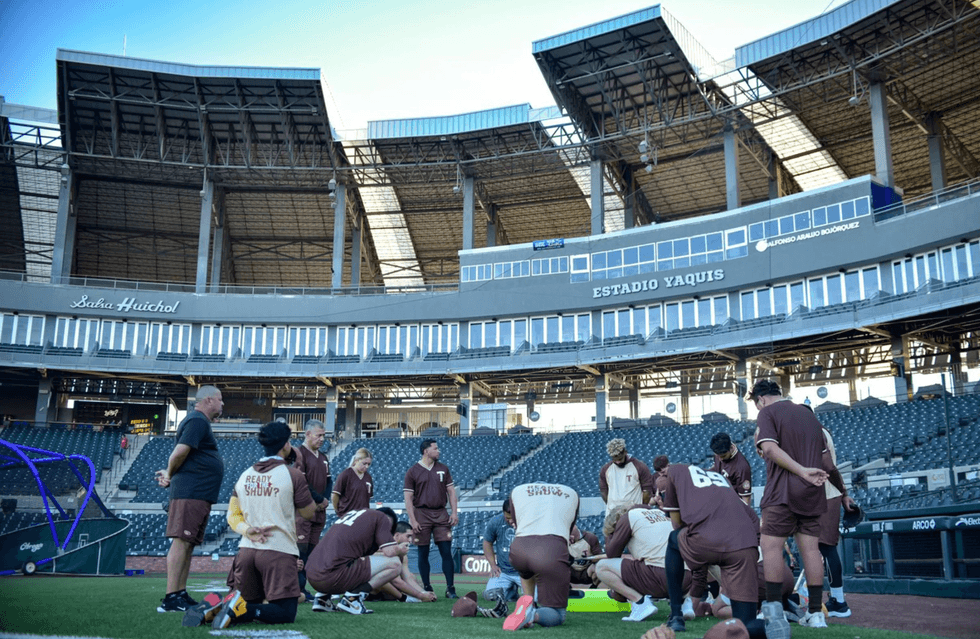 The Tucson baseball team during batting practice in Ciudad Obregón, Sonora. They were forced to play as t he home team because most of their roster lacked U.S. visas. Photo courtesy of the Tucson baseball team
Local officials in Tucson have expressed disappointment but say they remain hopeful. Both the team and the league are working tirelessly to solve the problem.
The “Mexican Pacific League and the Tucson Baseball Team will continue working together to expedite the … process and continue with our internationalization efforts for the benefit of both organizations and our fans,” league officials said in its statement. “We sincerely appreciate the understanding, support, and patience of the Tucson community, sponsors, and fans of the League.”
Meanwhile, the team’s departure still stings many in Navojoa. Longtime fans describe it as losing part of the city’s soul, but they recognize the benefits the move would bring to the team’s roster.
“You’re over there in the land of opportunity, and for many Mexican players, that could be their window” of opportunity, added Chiquete Cruz, who also works as a sports promoter. “Here you must do the work, then go through a Caribbean series, and stay in the spotlight to see if you’re a candidate or not. Over there, you’re already where everyone wants to be.”
Still, on both sides of the border, hope endures for next season. For now, as the season ends this month, the team moved its home games to Mexicali in the Mexican state of Baja California.
But when the long-awaited moment finally arrives, and the umpire calls “Play Ball” under the Arizona lights, it will mean more than the start of a game. It will mark the beginning of a new chapter in North American baseball — one written in two languages and waiting to be played.
A Baseball Team Caught Between Two Countries — a Visa Shift and a Shutdown was originally published by Palabra. and is republished with permission.