
Skip to content
Search

Latest Stories

Follow Us:
Top Stories

Podcast: When should the states decide?

Podcast: When should the states decide?

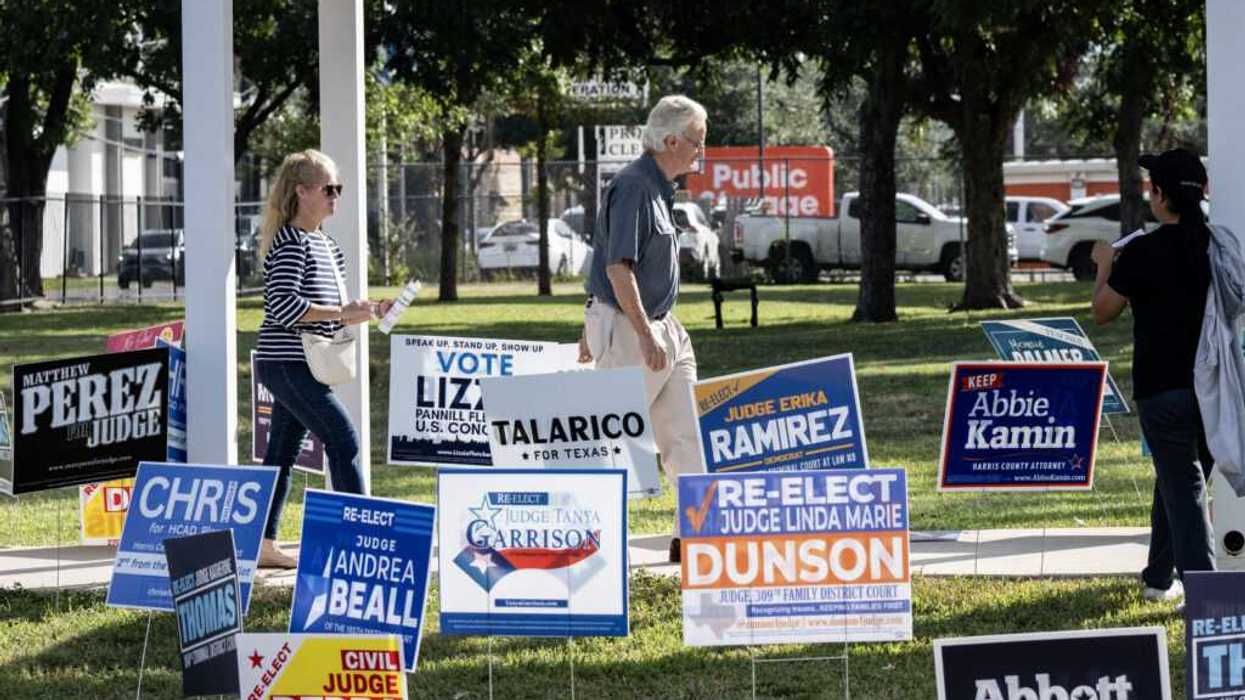
Following the Dobbs v. Jackson Women's Health Organization Supreme Court decision, reproductive rights are heading to ballots in states across the country this fall. Are states the right venue for this and other issues?

This episode’s guest, U.S. Appellate Court Judge Jeffrey S. Sutton says yes, and makes the case that state courts and constitutions are more democratic than their counterparts at the federal level.

https://open.spotify.com


Read More

Scarier Than the Boogeyman
boy sitting while covering his face

Scarier Than the Boogeyman

April is Child Abuse Awareness Month. Going to college, I took a child welfare class to become a social worker, and we were taught about child abuse and neglect. We were taught that there are times when the government has to intervene to protect the welfare of a child and act in the child’s best interest. Growing up, I had no trust in the government. Child Protective Services (CPS) workers were labeled “baby snatchers,” and they were to be feared rather than trusted.

Early in my career, I went on home visits, and I supported women who were involved with child welfare. I saw firsthand cases of extreme neglect. I will never forget walking into a woman’s apartment where I saw three children, a baby on the floor next to a pile of milk and cereal caked into the carpet, a toddler staring blankly at a TV, and a five-year-old who smiled at me with silver teeth. The TV was blaring, and we had to announce ourselves multiple times before Mom came out of the bedroom. Mom had issues with drugs and the kids had been taken away on numerous occasions. I walked away from that visit conflicted. There were other occasions where CPS intervened, simply because mom was a survivor of domestic violence and the system was being used against the survivor by her abuser, labeling her as a bad mother, in a vindictive agenda.

Keep ReadingShow less
Capitol Building of USA

Senate votes increasingly pass with support from senators representing a minority of Americans, raising questions about representation, rules, and democracy.

Getty Images, ANDREY DENISYUK

Record Number of Bills and Nominations Passed With Senators Representing a Population Minority

From taxes to the environment to public broadcasting like PBS and NPR, the Senate has recently passed record levels of legislation and confirmed record numbers of nominations with senators representing less than half the people.

Using historical data, GovTrack found 56 examples of Senate votes on legislation that passed with senators representing a “population minority.” 26 of those 56 examples, nearly half, have occurred since President Donald Trump’s current term began.

Keep ReadingShow less
The Fahey Q&A with Elizabeth Rasmussen

An in-depth interview with Elizabeth Rasmussen of Better Boundaries on Utah’s redistricting battle, Proposition 4, and the fight to protect ballot initiatives, fair maps, and democratic accountability.

The Fahey Q&A with Elizabeth Rasmussen

Since organizing the Voters Not Politicians 2018 ballot initiative that put citizens in charge of drawing Michigan's legislative maps, Fahey has been the founding executive director of The People, which is forming statewide networks to promote government accountability. She regularly interviews colleagues in the world of democracy reform for The Fulcrum.

Elizabeth Rasmussen is the Executive Director for Better Boundaries, a Utah-based organization fighting for fair maps, defending the citizen initiative process, preserving checks and balances, and building a better future. Currently making headlines in the state, Better Boundaries is working to protect Proposition 4, and with it, the rights of Utah voters.

Keep ReadingShow less