


Skip to content
Search

Latest Stories

Follow Us:
Top Stories

The women who lead democracy reform

Sara Bonk, Jackie Salit, Justine Williams

While women remain significantly underrepresented in government, there is at least one adjacent field in which they have achieved gender parity in leadership: the universe of democracy reform and bridge-building organizations.

In its 2021 Diversity Report, the Bridge Alliance found that half of the executives leading its 100 member organizations are women. (Disclosure: The Fulcrum is a program within the Bridge Alliance, which brings together organizations working toward a healthy democracy.)


To mark Women’s History Month, The Fulcrum is spotlighting just some of the women leading these organizations.

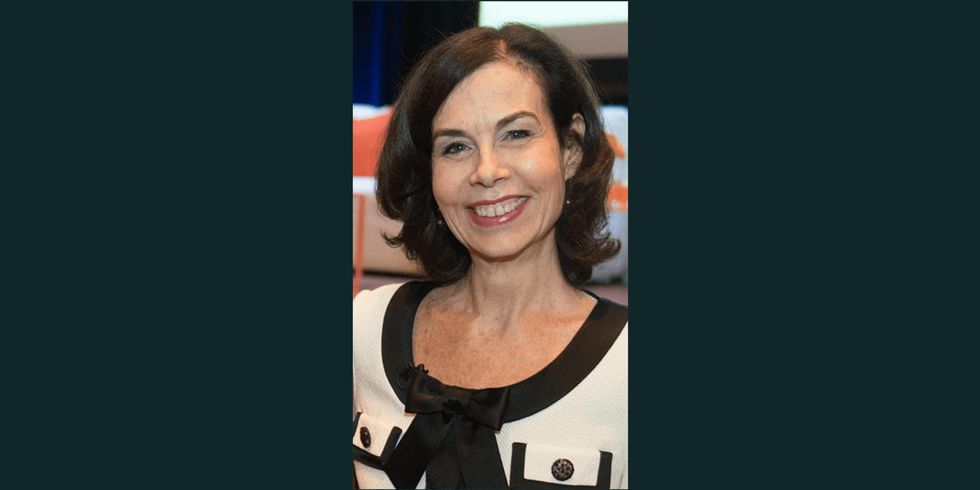
Wendy Willis

Executive Director, Kitchen Table Democracy

"Like so many of my friends in this feature, I chose this work because I believe in the promise of democracy. I believe that democracy has an ember at the heart of it that can ignite more justice, more solidarity, more joy. All we have to do is blow on it."

Read More

child holding smartphone

As Australia bans social media for kids under 16, U.S. parents face a harder truth: online safety isn’t an individual choice; it’s a collective responsibility.

Getty Images/Keiko Iwabuchi

Parents Must Quit Infighting to Keep Kids Safe Online

Last week, Australia’s social media ban for children under age 16 officially took effect. It remains to be seen how this law will shape families' behavior; however, it’s at least a stand against the tech takeover of childhood. Here in the U.S., however, we're in a different boat — a consensus on what's best for kids feels much harder to come by among both lawmakers and parents.

In order to make true progress on this issue, we must resist the fallacy of parental individualism – that what you choose for your own child is up to you alone. That it’s a personal, or family, decision to allow smartphones, or certain apps, or social media. But it’s not a personal decision. The choice you make for your family and your kids affects them and their friends, their friends' siblings, their classmates, and so on. If there is no general consensus around parenting decisions when it comes to tech, all kids are affected.

Keep ReadingShow less
Planting Hope in a Hard Season
selective photo of petaled flower
Photo by raquel raq on Unsplash

Planting Hope in a Hard Season

In an Advent reflection penned several years ago, Anne Lamott wrote, “even as everything is dying and falling asleep…something brand new is coming. Hope is coming….swords will be beaten into plowshares, spears into pruning hooks.

“This is a little hard to buy,” she admitted, “with a world stage occupied by—well, I’m not going to name names. But setting aside one’s tiny tendency toward cynicism,…in Advent — we wait; and hope appears if we truly desire to see it….we find it where we can….”

Keep ReadingShow less
Someone wrapping a gift.

As screens replace toys, childhood is being gamified. What this shift means for parents, play, development, and holiday gift-giving.

Getty Images, Oscar Wong

The Christmas When Toys Died: The Playtime Paradigm Shift Retailers Failed to See Coming

Something is changing this Christmas, and parents everywhere are feeling it. Bedrooms overflow with toys no one touches, while tablets steal the spotlight, pulling children as young as five into digital worlds that retailers are slow to recognize. The shift is quiet but unmistakable, and many parents are left wondering what toy purchases even make sense anymore.

Research shows that higher screen time correlates with significantly lower engagement in other play activities, mainly traditional, physical, unstructured play. It suggests screen-based play is displacing classic play with traditional toys. Families are experiencing in real time what experts increasingly describe as the rise of “gamified childhoods.”

Keep ReadingShow less
Where is the Holiday Spirit When It Comes to Solving Our Nation’s Problems?

Amid division and distrust, collaborative problem-solving shows how Americans can work across differences to rebuild trust and solve shared problems.

Getty Images, andreswd

Where is the Holiday Spirit When It Comes to Solving Our Nation’s Problems?

Along with schmaltzy movies and unbounded commercialism, the holiday season brings something deeply meaningful: the holiday spirit. Central to this spirit is being charitable and kinder toward others. It is putting the Golden Rule—treating others as we ourselves wish to be treated—into practice.

Unfortunately, mounting evidence shows that while people believe the Golden Rule may apply in our private lives, they are pessimistic that it can have a positive impact in the “real” world filled with serious and divisive issues, political or otherwise. The vast majority of Americans believe that our political system cannot overcome current divisions to solve national problems. They seem to believe that we are doomed to fight rather than find ways to work together. Among young people, the pessimism is even more dire.

Keep ReadingShow less