
Griffiths is the editor of Independent Voter News.
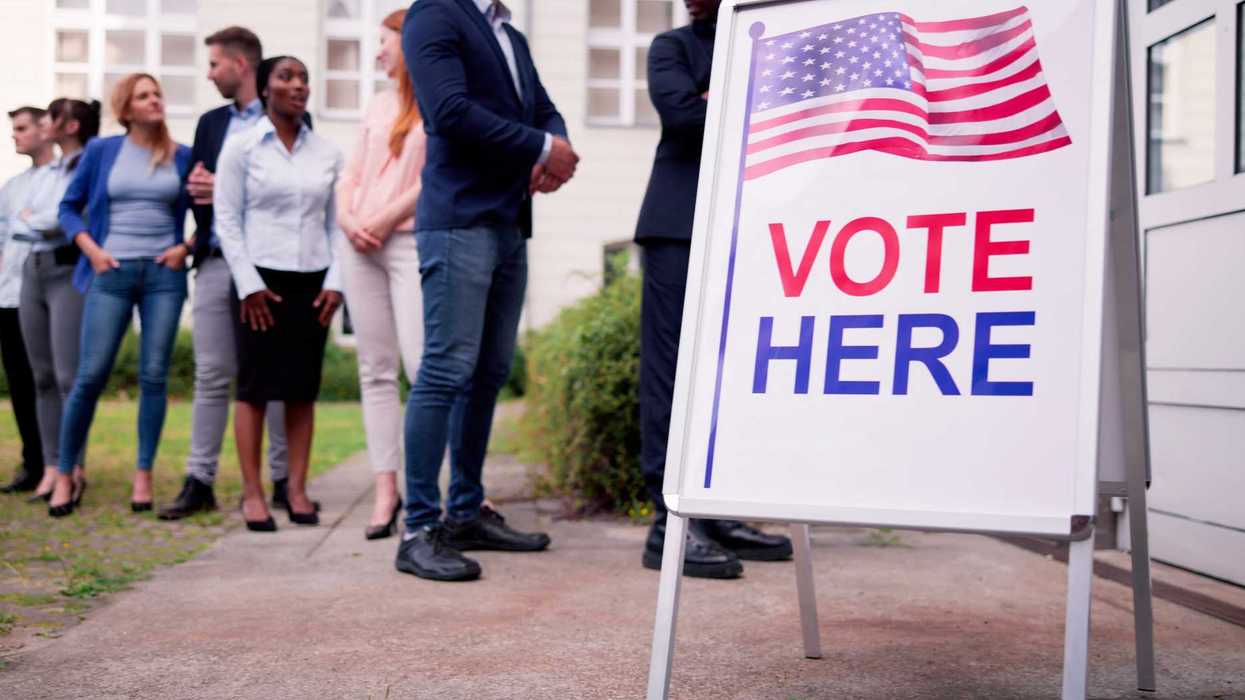
Ballots will be delivered to every registered, active California voter this fall under a law signed Thursday by Gov. Gavin Newsom.
The measure assures everyone in the nation's most populous state will be able to vote by mail in the presidential contest. It's the biggest single expansion so far of this alternative for the general election, when a surge of interest in absentee balloting nationwide seems guaranteed as a result of the coronavirus.
The bill also assures the outcome of close contests won't be known until nearly Thanksgiving, because a provision mandates that envelopes postmarked by Election Day be tabulated if they arrive as long as 17 days later. No other state has that long a grace period to allow for slow postal service.
California's 55 electoral votes can be counted to go for Joe Biden, but President Trump will still have the opportunity to raise the state's unusually long delays in finalizing the returns if he decides to contest a close election nationwide. He has recently sowed doubt about the vote by amplifying his many unsubstantiated claims about voter fraud — which have included several unfounded allegations about California in recent weeks.
More substantively, the new rule could create an exceptionally long wait time for final results of hotly contested ballot measures and races for congressional, state and local offices.
Passed overwhelmingly in the Democratic-majority Legislature with some GOP votes, the law closely mirrors a pair of executive orders the Democratic governor issued in the past month in the name of boosting turnout and keeping polling places healthy.
Republicans had challenged Newsom's actions as illegal executive overreach, but those lawsuits have now been rendered moot by the actions in Sacramento. Instead, the GOP is likely to focus its criticism on the newly lengthened extension for mailed votes.
Most voters in California are already registered permanent absentee, which means they automatically receive a ballot by mail for every primary and general election. Already this year, nearly 80 percent of active registered voters received a ballot by mail. The latest Public Policy Institute of California survey about attitudes toward state government found nearly three-quarters of likely voterssupport expanding mail-in options for November.
"No one should have to risk their health — and possibly their life — to exercise their constitutional right to vote," said Democratic state Rep. Marc Berman, author of the new law. "In the midst of a deadly health pandemic, giving all California voters the opportunity to vote from the safety of their own home is the responsible thing to do."
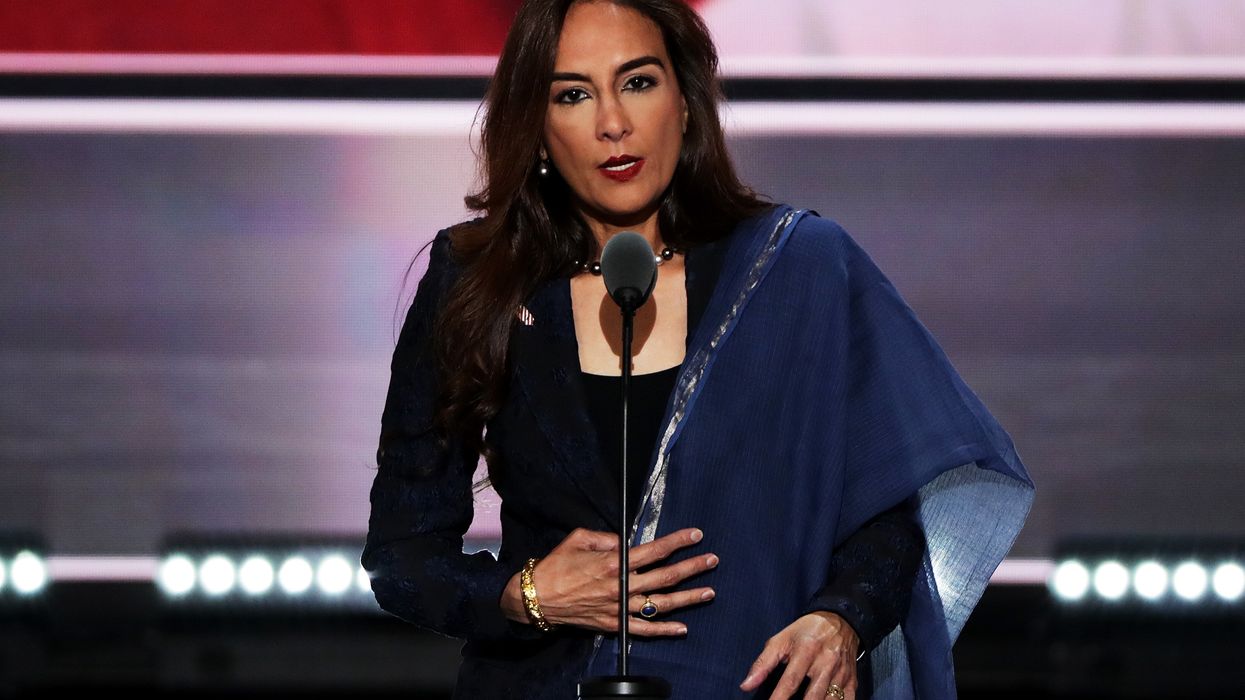
The 17-day window, however, is being targeted by the GOP. One of the state's delegates to the Republican National Committee, Harmeet Dhillon, for instance, has labeled the expansion "bizarre" and said it could open the floodgates to legal challenges over ballot signatures, raising integrity issues and dragging some races out for weeks.
"There is a lot of opportunity for mischief," she said. "There is a tremendous amount of uncertainty."
Much of the concern is over a practice colloquially known as ballot harvesting. A state law enacted in 2016 makes it legal for anyone, paid political operative included, to collect and turn in mail-in ballots on behalf of voters. Democrats organized to take advantage of the liberalized rules and their collection efforts helped flip several Orange County congressional seats from red to blue in the 2018 midterm.
Democratic state Rep. Lorena Gonzales, an author of the law, said the change was simply meant to offer a public service, and that the rules prior to the bill's passage "provided yet another obstacle for individuals attempting to vote."
Those who object to the practice, however, say there is little protection against coercion, either by a family member or by a campaign collecting the ballots.
Last-minute ballot submissions slowed the count in several races in 2018, and bolstered a massive Democratic get-out-the-vote effort in several races. However, there is no evidence of widespread fraud. Republicans are reportedly working to improve their own on-the-ground ballot collection operation for this November.
Many states have adopted measures to increase the use of mail-in voting in 2020, and some have already conducted all-mail elections with little problem. Nonpartisan reformers who support increased use of vote-at-home methods point to these elections as evidence that claims of widespread fraud under vote-by-mail are largely unfounded.
The biggest cast of voting fraud in recent years, forcing the do-over last year of a tainted congressional contest, centered on Republican misbehavior. Testimony after the 2018 election described how GOP political consultant Leslie McCrae Dowless Jr. paid workers to collect ballots and return them to him, promising to then mail the ballots himself. Such ballot harvesting is illegal in North Carolina.
Visit IVN.us for more coverage from Independent Voter News.