



Joe Biden has joined the cause of voting by mail, making an aggressive pitch for federally funded absentee ballots for everyone this year and blasting President Trump for "trying to undermine the election" by making it more difficult to vote.
The presumptive Democratic nominee's statements, at a fundraiser Thursday night, were his first endorsement of the idea that's galvanizing the world of democracy reform during the coronavirus pandemic.
In the primary campaign, Biden put less emphasis than his major rivals on good governance issues, from campaign finance to voting rights. And until now he has been silent on the challenges of conducting a viable election during the country's biggest public health crisis in a century — perhaps, at least in part, for fear of making an increasingly partisan debate more polarized.
When the former vice president addressed 670 donors online, however, he took on his November opponent with blunt force and openly advocated for policies fellow Democrats believe could be harnessed to his benefit in November.
He also predicted, without evidence, that Trump will seek to postpone the election altogether.
"We have to make it easier for everybody to be able to vote, particularly if we are still basically in the kind of lockdown circumstances we are in now," Biden said. "But that takes a lot of money, and it's going to require us to provide money for states and insist they provide mail-in ballots."
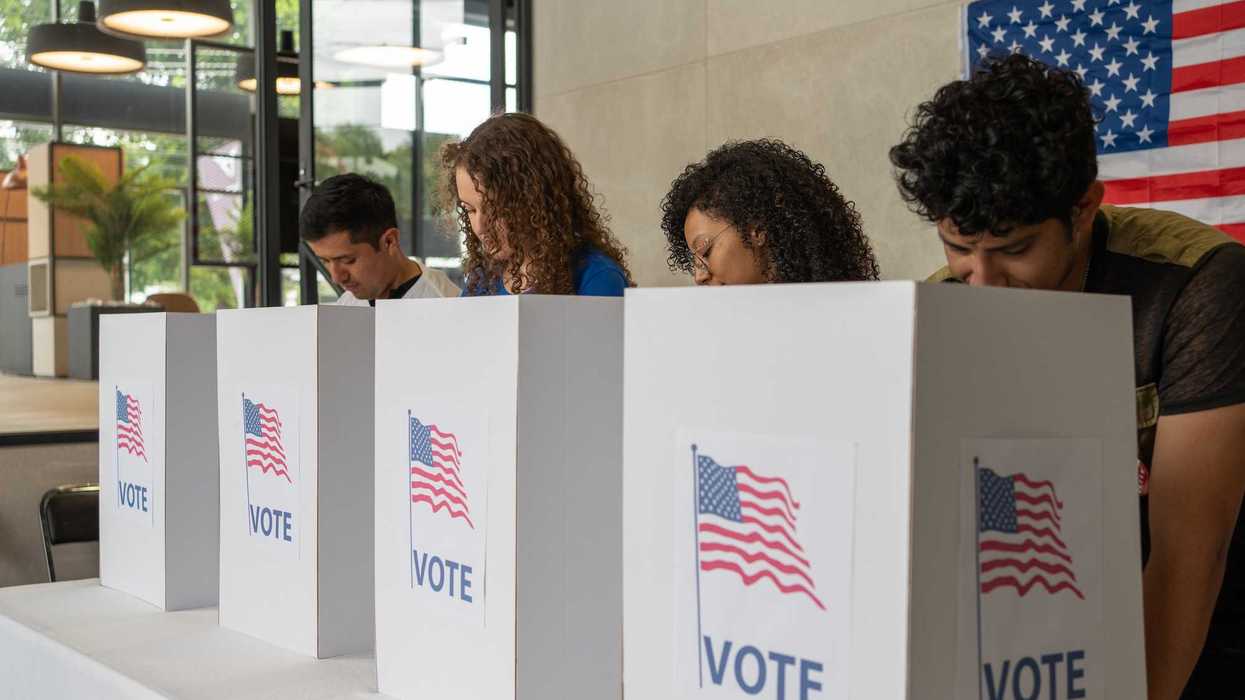
Such a federal mandate is highly unlikely to get through a divided Congress, but Democrats are calling for at least $2 billion in aid so states can deliver and count a surge of absentee ballots (expected regardless of federal action), expand in-person early voting to reduce long Election Day lines, and keep voting sites sanitized and staffed with poll workers.
Along with that money, Democrats want the next economic stimulus bill to provide billions in aid to the Postal Service, which has been crippled by Covid-19 but could see volume spike with tens of millions of mail ballots this fall. Trump has come out against both lines of spending, saying expanded absentee voting will help "cheaters" and the USPS is undeserving of taxpayer aid.
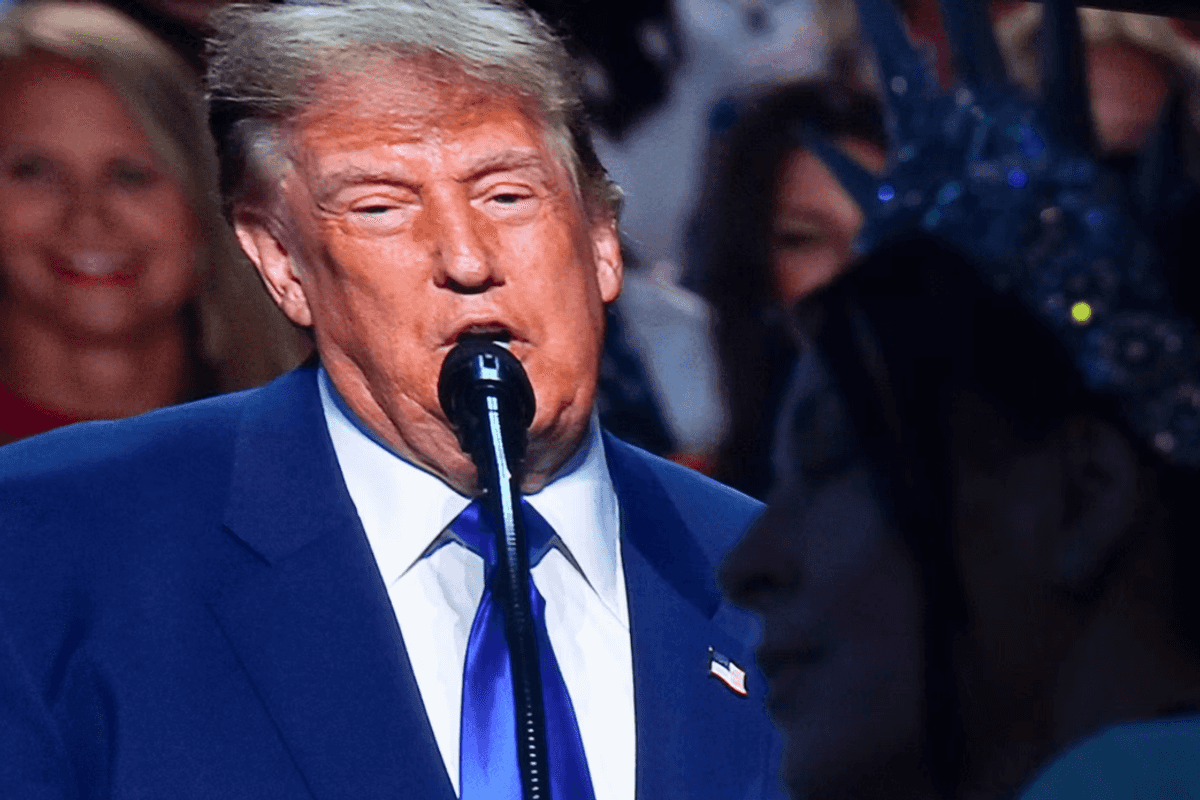
"He's already trying to undermine the election with false claims of voter fraud and threatening to block essential Covid assistance," Biden said. "Imagine threatening not to fund the post office. Now what in God's name is that about? Other than trying to let the word out that he's going to do all he can to make it very hard for people to vote. That's the only way he thinks he can possibly win."
Going further, the former vice president appeared to equate the president's opposition to alternative voting methods to the foreign hacking of the 2016 election.
"I promise you the Russians did interfere in our election and I guarantee you they are doing it again with two other major actors," Biden said, adding, "You can be assured, between he and the Russians there is going to be an attempt to interfere."
He then added: "This president, mark my words, I think he's going to try to kick back the election somehow, come up with some rationale why it can't be held."
Trump has not given any signal he's considering such a move, and in March he said he opposed postponing any primaries or the Nov. 3 contest. The president does not have the authority to change that date. It's set by Congress, and it's hard to imagine the Democratic House voting for a postponement, which has never happened in American history. Any executive order delaying Election Day would immediately be challenged as unconstitutional.
The president's re-election campaign on Friday lambasted Biden's suspicion about a Trump-ordered delay as "the incoherent, conspiracy theory ramblings of a lost candidate who is out of touch with reality."
That headline-grabbing comment threatened to overshadow the breakthrough nature of Biden's comments about making vote-by-mail the nationwide norm.
Democracy reform groups and voting rights organizations, which have not often unified behind an issue, have done so in this case. And they have been quietly lamenting Biden has not joined them, even as three former rivals on his presumed list of possible running mates -- Amy Klobuchar, Kamala Harris and Elizabeth Warren -- have released plans to secure elections during the pandemic through more voting at home and been in the forefront of efforts in the Senate to secure funding for state voting contingency effotrts.
A handful of op eds from fix-the-system advocates in the past week had urged Biden to come out forcefully for a similar plan and then follow up with more explicit promises to put improved voting rights, easier access to the ballot and campaign finance regulation high on his legislative agenda if he wins.
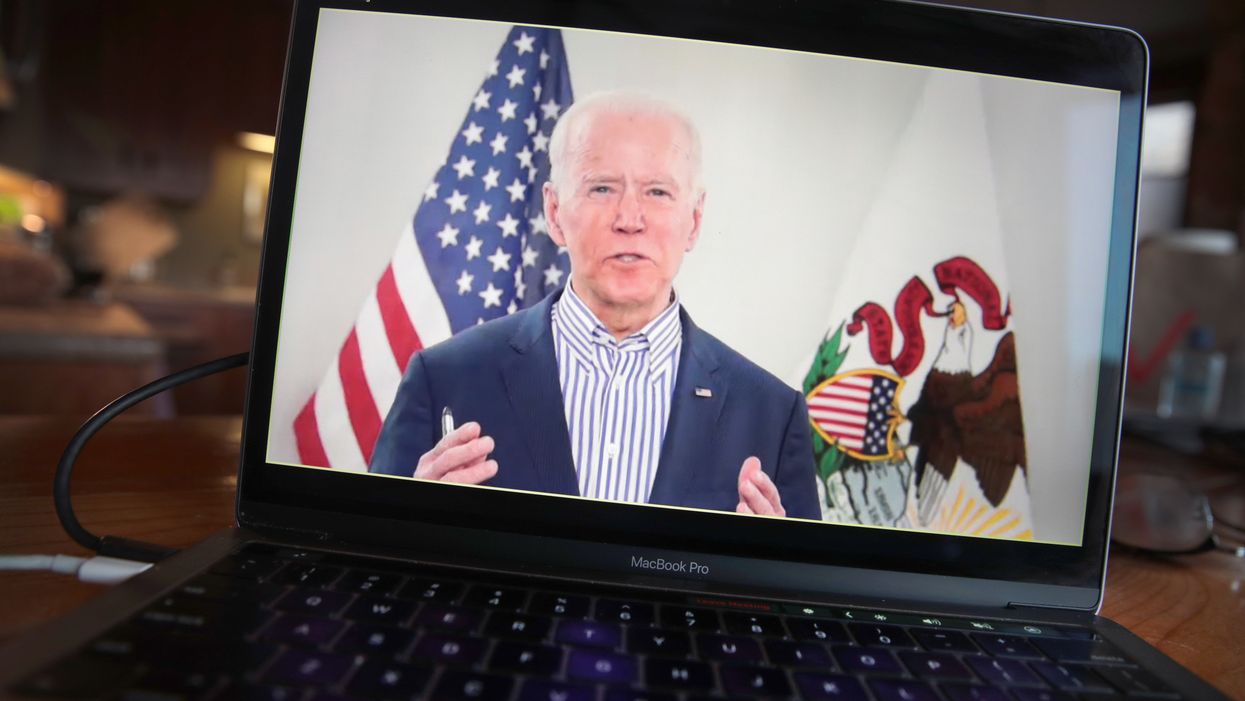
The virtual fundraiser, featuring former Democratic rival Pete Buttigieg and singer Melissa Etheridge on Zoom, was targeted to LGBT donors and raised an estimated $1.1 million. One reporter, from CBS News, was allowed to log in and then share his reporting widely.











The President Invited Iran to Bomb My Home