
Skip to content
Search

Latest Stories

Follow Us:
Top Stories

Claim: Michigan illegally sent absentee ballots to voters. Fact check: False

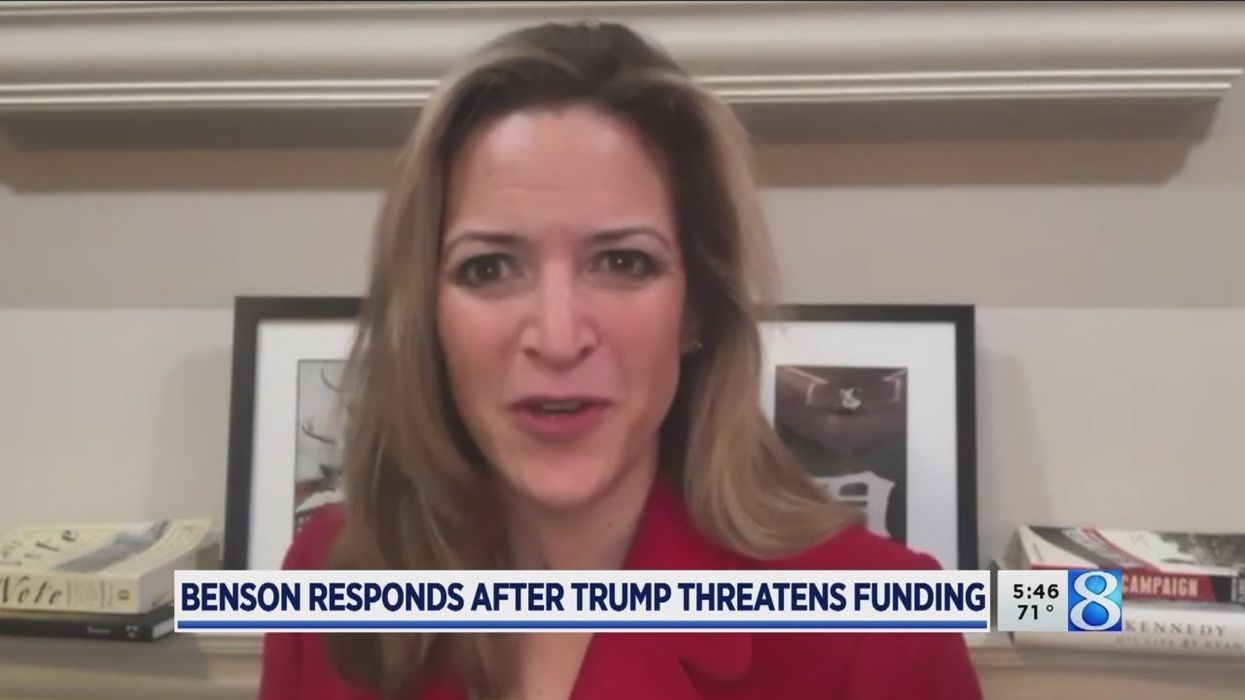
Benson responds after Trump threatens funding


Michigan did not send ballots to registered voters like President Trump said. Michigan Secretary of State Jocelyn Benson, who has encouraged all voters to vote by mail for all elections held this year, announced Tuesday all 7.7 million registered voters would receive applications to vote by mail in the August primary and November general elections.

Responding to the president, Benson noted that her office was sending applications, not ballots, "just like my GOP colleagues in Iowa, Georgia, Nebraska and West Virginia." The applications sent out, Benson said, ensure "that no Michigander has to choose between their health and their right to vote."

In a similar tweet, Trump also accused the state of Nevada's election officials of sending mail-in ballots to voters. Earlier this month, Secretary of State Barbara Cegavske, a Republican, announced registered voters would start receiving mailed absentee ballots to vote for the primary, held predominantly by mail.
Read More

Gynecologist doing ultrasound of pregnant woman in hospital.

Rural hospital labor and delivery closures are creating maternity care deserts—and costing communities physicians, jobs, families, and economic investment.

Maskot/Getty Images

No Doctor, No Delivery, No Future

Today, less than half of rural hospitals in the U.S. still offer labor and delivery services, and since 2020, 139 of them have stopped delivering babies altogether. That's usually treated as public health statistic. It's also an economic one. Each closure doesn't just push expectant mothers into longer drives to the hospital, it pushes out physicians, jobs, young families, and the investment that follows them. So, what happens to a town after it loses its only labor and delivery unit?

The answer, it turns out, is a lot more than a longer drive to the hospital. More than a third of U.S. counties, 35.1 percent by the most recent national count, are now what researchers call maternity care deserts: places with no hospital or birth center offering obstetric care and no obstetric clinicians at all. Since the end of 2020, 139 rural hospitals have stopped delivering babies, and today less than half of rural hospitals nationwide still offer labor and delivery services.

Keep ReadingShow less
A New Standard for Ethical Immigration Reporting
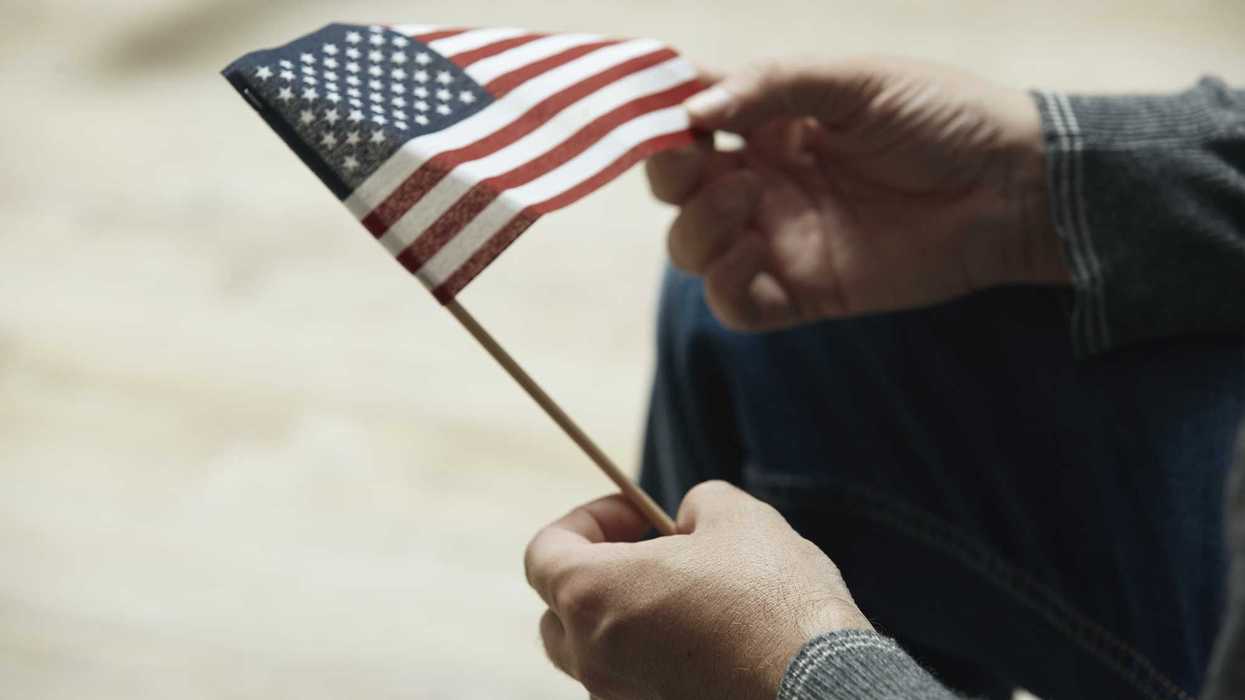
people holding flag of U.S.A miniature
Photo by Frank Kastle on Unsplash

A New Standard for Ethical Immigration Reporting

Seven months ago, I attended the first day of my Reporting on Race class at USC. Taught by journalist and immigration reporting expert Jean Guerrero, the course offered growth I hadn’t yet imagined, showing me how much I could evolve as a journalist in just one semester.

For the next five months, I researched and reported on an immigration story of my choosing. I wrote about how educators in Los Angeles protect and advocate for students and communities living in fear of ICE deportations. These educators organized community street patrols to keep their neighborhoods safe. Finding sources and producing the final draft took months, but it was one of the most rewarding experiences of my journalism studies so far.

Keep ReadingShow less
How Utah’s H.B. 222 Set the Stage for State-level Climate Liability Shields
A factory with smoke coming out of it
Photo by Anthony Maw on Unsplash

How Utah’s H.B. 222 Set the Stage for State-level Climate Liability Shields

This nonpartisan policy brief, written by an ACE fellow, is republished by The Fulcrum as part of our partnership with the Alliance for Civic Engagement and our NextGen initiative — elevating student voices, strengthening civic education, and helping readers better understand democracy and public policy.

Background

Keep ReadingShow less