


Skip to content
Search

Latest Stories

Follow Us:
Top Stories

Metula: A Border on the Brink

The Fragile Reality of an Israeli Community Under a Tenuous Ceasefire

News

Metula: A Border on the Brink

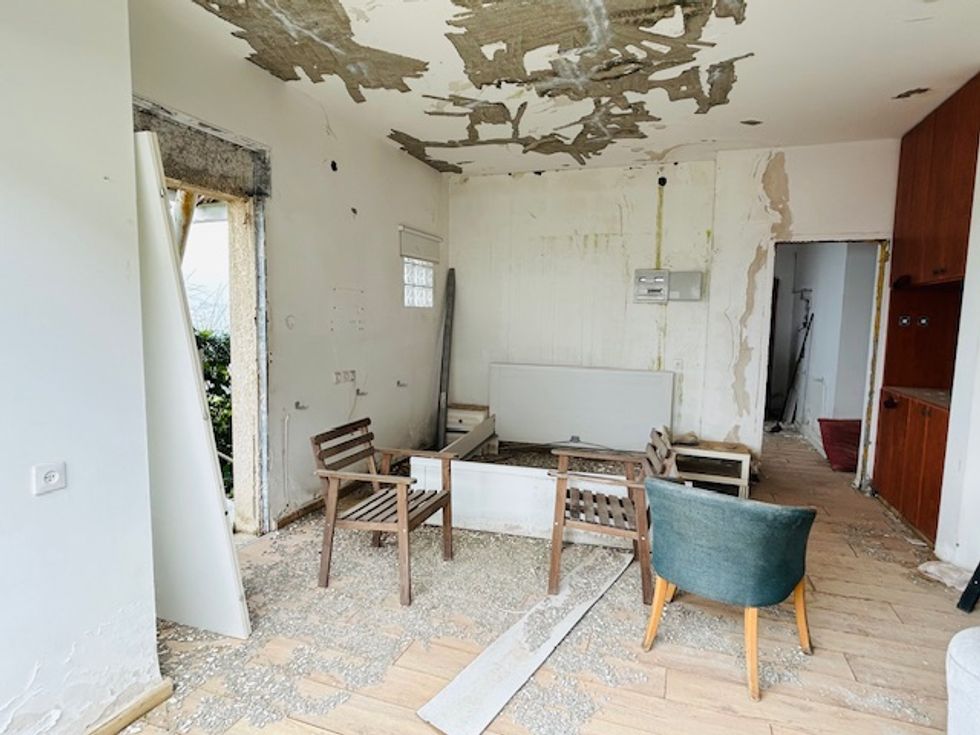
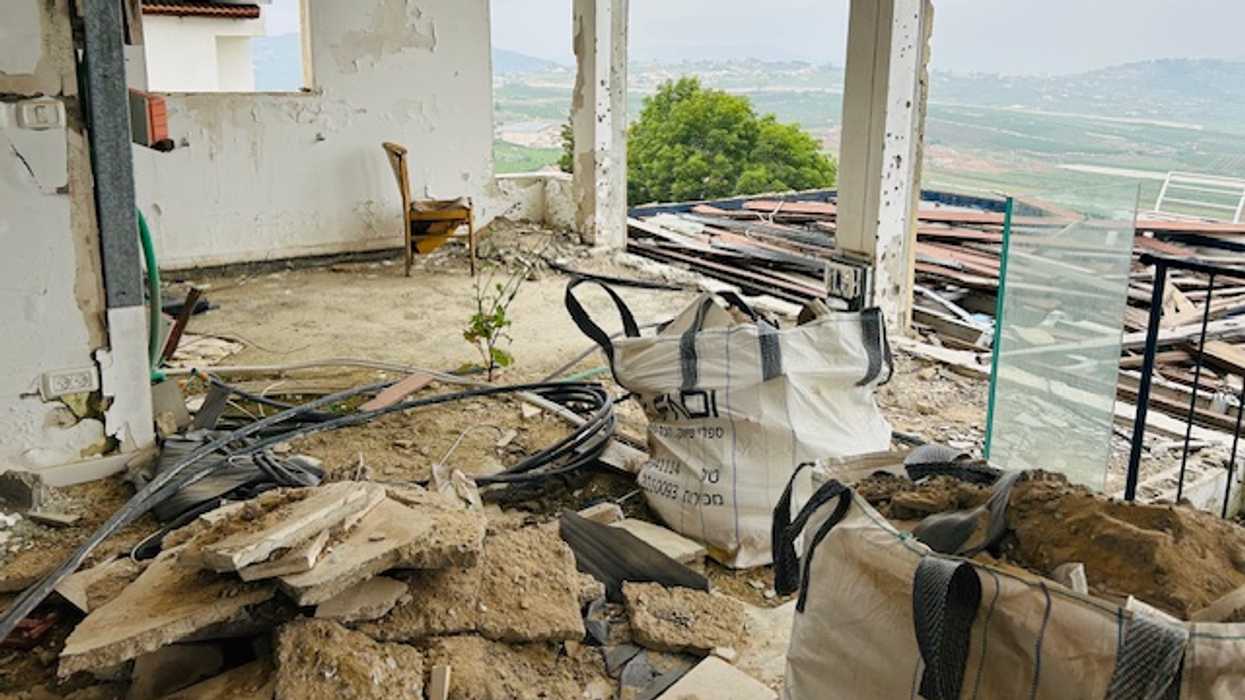
Debris from a missile‑struck home in Metula, Israel

Hugo Balta

Amid the political and military standoff among the United States, Israel, and Iran, it is civilians — the people with no say in these decisions — who bear the fear, disruption, and uncertainty of every strike and escalation. This week, The Fulcrum’s executive editor, Hugo Balta, reports from Israel with a single aim: to humanize the war by focusing not on the spectacle of Operation Epic Fury, but on the ordinary lives being reshaped by it.

METULA — In the historic border town of Metula, the stillness of a fragile ceasefire is often punctured by the sounds of war drifting across the Lebanese border. After U.S. and Israeli strikes on Iran in February, Hezbollah launched rockets and drones into Israel in early March in what it described as retaliation. Israel answered with a wave of airstrikes across Lebanon, and within days, Israeli forces had re‑entered southern Lebanon.


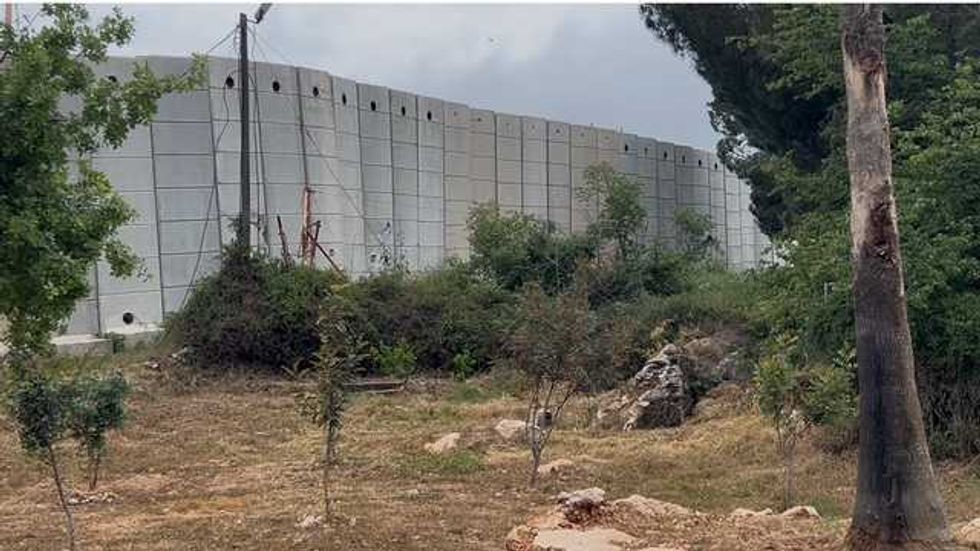
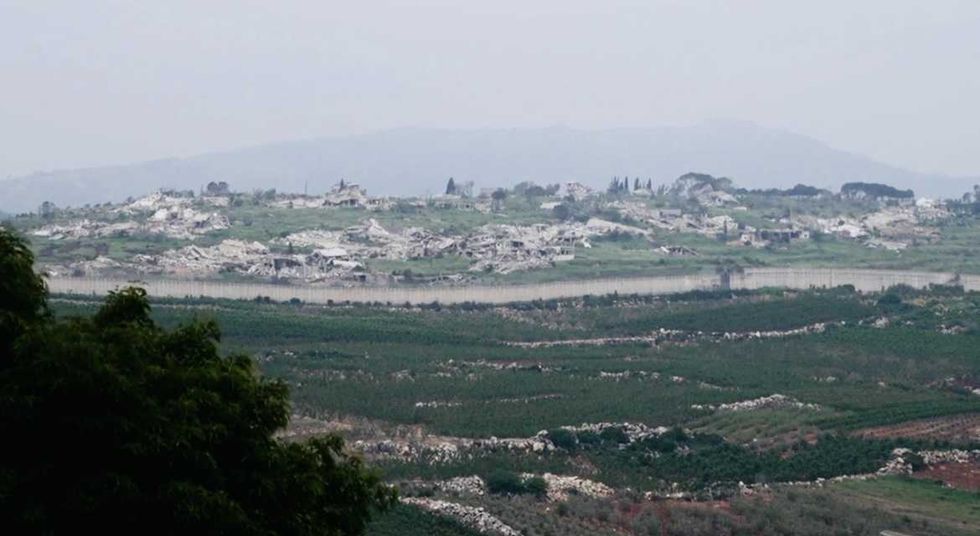
Founded more than 130 years ago, Israel’s northernmost community is famously surrounded on three sides by Lebanon. The town looks directly onto the remains of Lebanese Shiite villages that Hezbollah has used as launch sites throughout its campaign. Since October 8, 2023, enduring repeated barrages of anti‑tank missiles and explosive drones, leaving homes in ruins and most families displaced. Hezbollah began its attacks that day, calling it a “war of support” for Hamas following the October 7 assault in southern Israel.
Hugo Balta

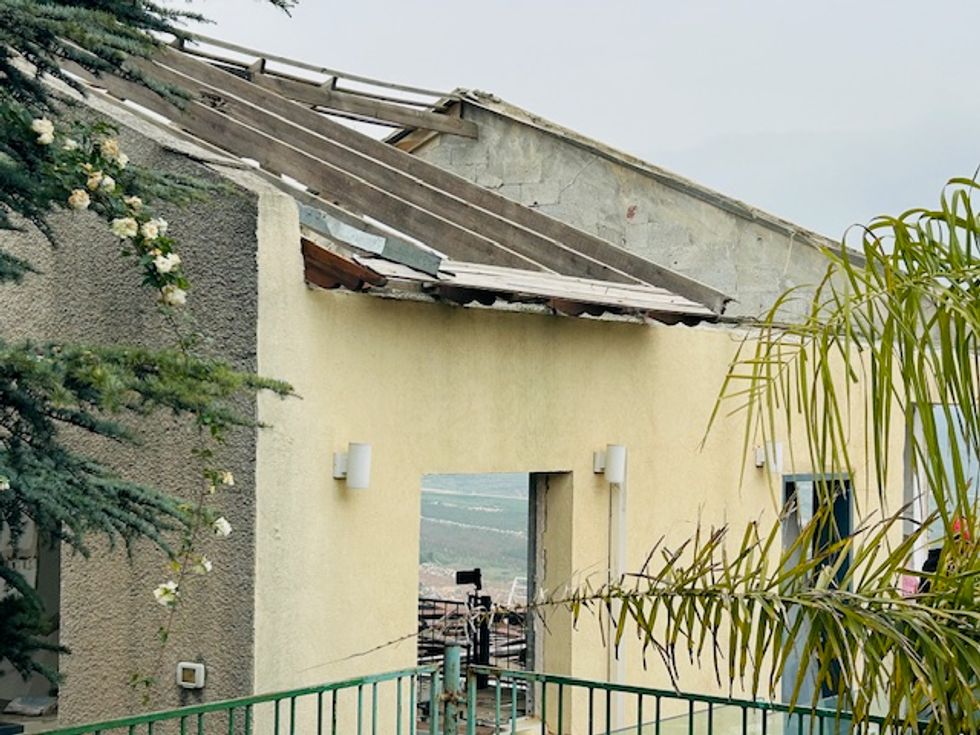
Views of Metula, Israel, a border community encircled on three sides by Lebanon
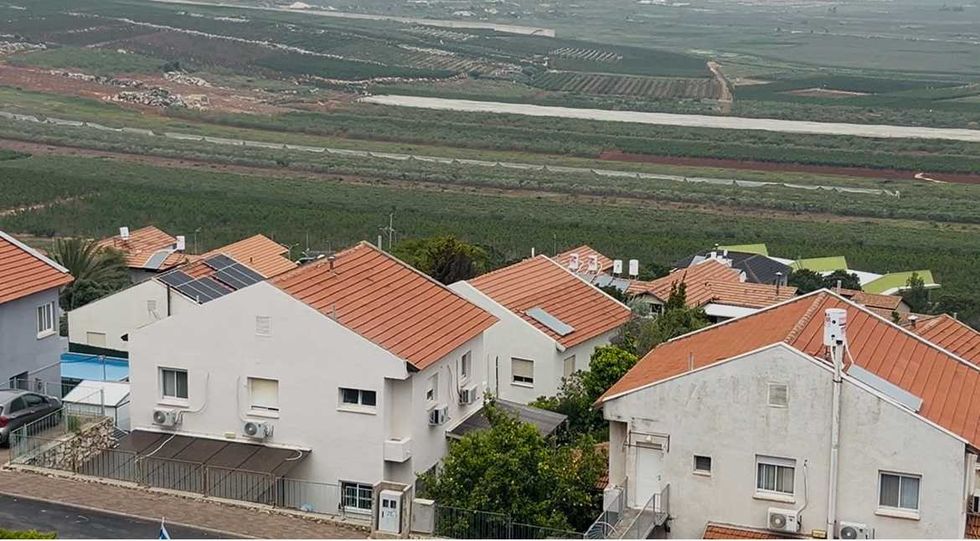
As a result of the sustained barrage, more than 60% of homes and municipal buildings were damaged or destroyed by anti‑tank missiles, suicide drones, and rockets between October 2023 and November 2024, leaving the community effectively transformed into a ghost town. Agricultural and tourism‑based livelihoods have come to a standstill, and many residents remain hesitant to return because of the ongoing threat of missile fire and the extensive destruction it has caused.

While many residents fled Metula, those who remain live on the edge of a ceasefire strained by daily violations. The Israel Defense Forces have carved out a six-mile-plus buffer zone deep inside Lebanese territory to push back Hezbollah’s forces, but the threat still feels close.

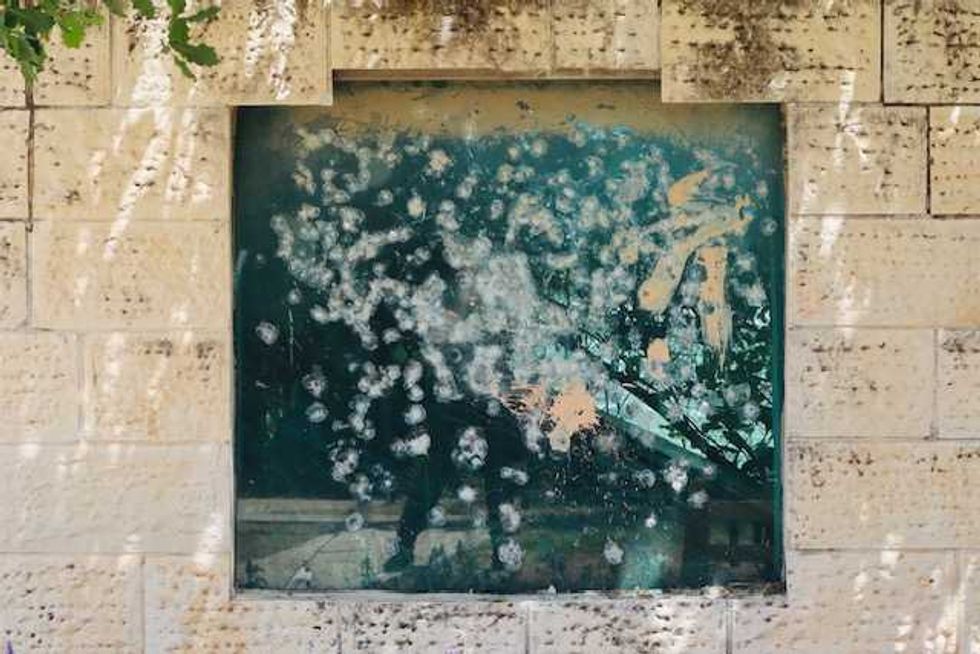
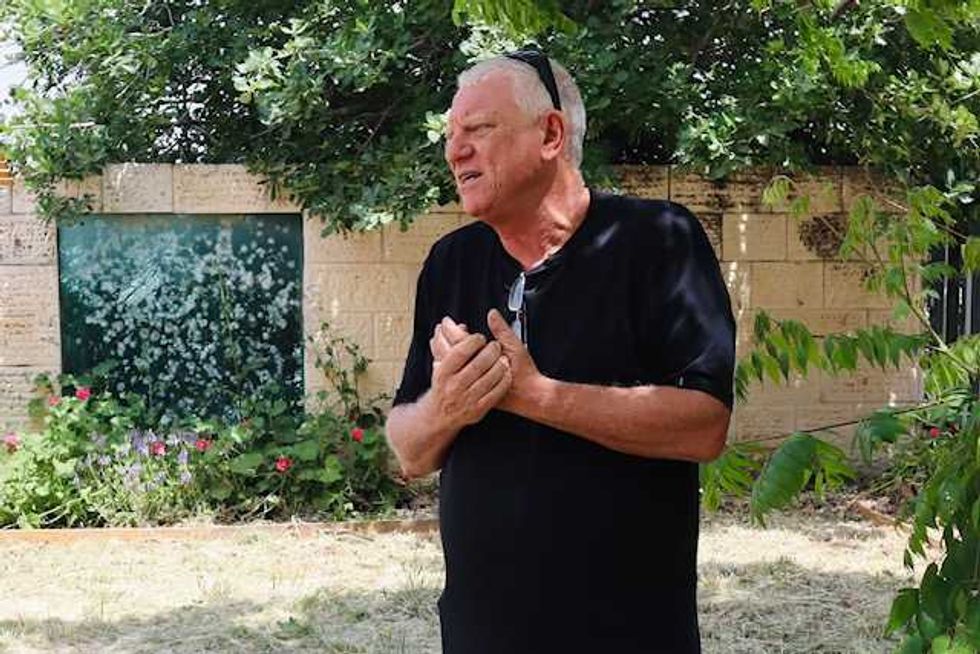
Among those who refuse to leave is Rami Rabinovich, an Argentine immigrant who points out the scars of war — collapsed roofs, shattered windows, charred garden walls — that now frame everyday life. He says Israeli forces firing at Hezbollah drones has become routine.

Hugo Balta

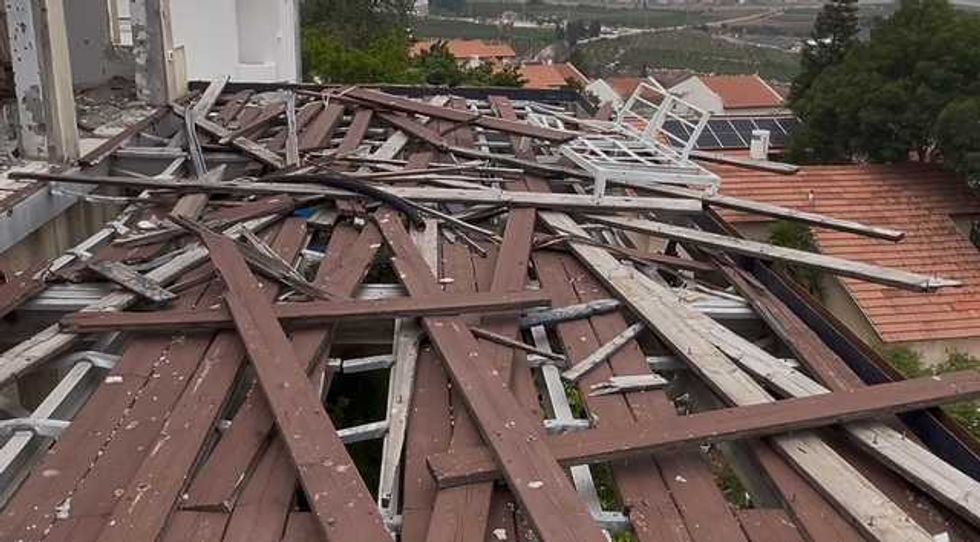
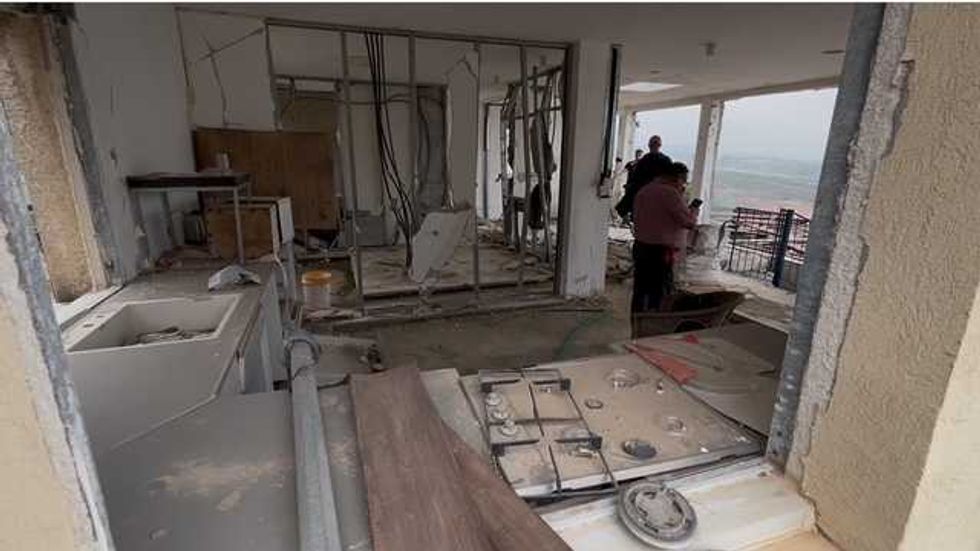
Rubble from a home in Metula, Israel, after multiple missile strikes
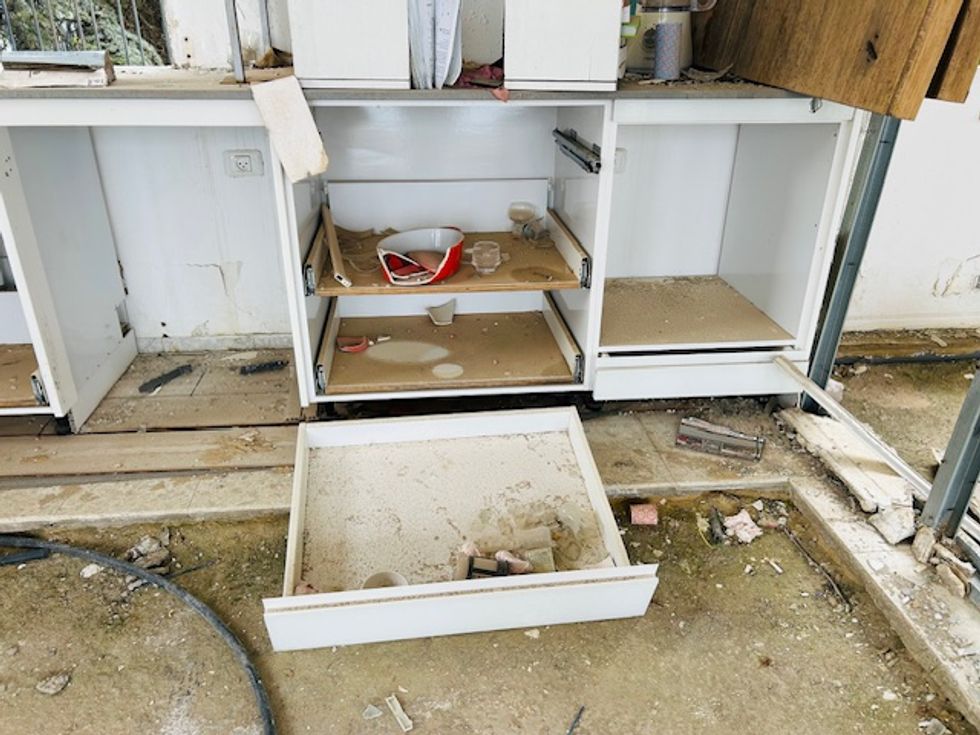
During my visit, the quiet of the hilltop town was repeatedly interrupted by low, distant booms from across the border. Rabinovich barely reacted. He said the explosions were almost certainly Israeli forces targeting Hezbollah drones — a sound many in the town have learned to fold into the rhythm of daily life. For him, it is not a warning but part of the constant background noise of a place living with war just beyond the fence.

The danger along the border is so immediate that residents often have no time to react — a reality Rabinovich underscored when he said, “The time elapsed between the moment a missile is launched from Lebanon and the moment it lands in Metula is zero. Often, the sirens sound after the missile has already landed in the Metula area.”


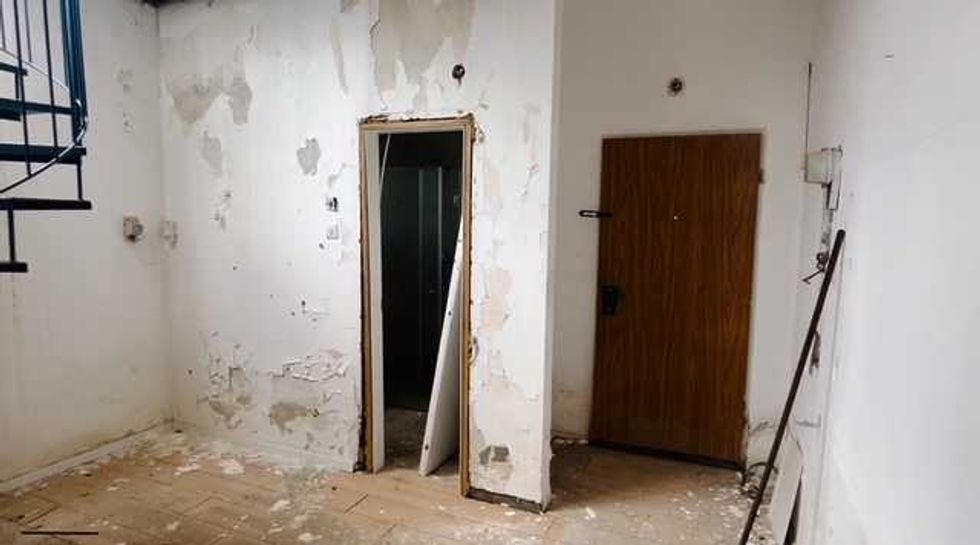
Rabinovich showed me a house that he said had taken four missile strikes in under an hour. It stands as a stark testament to what Metula has endured. The roof is completely gone, leaving the rooms open to the sun, wind, and drifting dust. Shards of glass cling to the window frames like broken teeth, and the walls—cracked, scorched, and pitted with shrapnel—trace the outline of what used to be a living room, a kitchen, a bedroom. Inside, only remnants remain: a collapsed doorway, charred furniture, and floors that lead nowhere. The house feels less like a damaged structure and more like a symbol of how the conflict has hollowed out daily life, leaving behind the shell of what once was a home.

Despite the devastation, people are slowly returning to Metula, determined to rebuild what was lost. Families who fled during the height of the attacks are now laying the groundwork for new beginnings, driven by resilience, a deep connection to the land, and a desire to restore a sense of normalcy.

"Many people come back because it is home, said Rabinovich. "Why did I return? Because it is home. This place, with a peace agreement with Lebanon, is a paradise."

People on both sides of the Israel–Lebanon border are living with the consequences of a conflict that has upended daily life, leaving families displaced, homes destroyed, and entire communities gripped by uncertainty. In southern Lebanon, civilians face their own waves of displacement, damaged infrastructure, and the fear that violence could escalate without warning.

The suffering is shared, even if the circumstances differ: parents trying to keep children safe, farmers unable to tend their land, and residents on both sides navigating the emotional and economic toll of a conflict they did not choose. It’s a reminder that beyond the political and military calculations, ordinary people are bearing the heaviest burden — and their stories deserve recognition.

For the people of Metula, the prevailing mood is one of cautious skepticism. While international mediators from the United States and the United Nations continue to push for a durable diplomatic solution, security remains a distant hope as the ceasefire teeters on the brink.

Hugo Balta is the executive editor of The Fulcrum and the publisher of the Latino News Network.

Coverage of this report was made possible in part with support from Fuente Latina.


Read More

How Anti-Black Racism is Fueling the Widespread Cruelty Against Kevin González and Other Latinos

Kevin González

Telemundo Chicago

How Anti-Black Racism is Fueling the Widespread Cruelty Against Kevin González and Other Latinos

When something is cruelly racist, the average American wants to pin it on the prejudiced feelings of individual actors. Here, a few “bad apples” are responsible for the gut-wrenching fate of Kevin González – an American teen who recently died from cancer after briefly reuniting with his deported parents in México. But the real force behind this cruelty against Mr. González and other Latinos is driven by something more sinister and less recognizable than a bad batch of fruit. The literal violence raining down on Latinos is being caused by an unstable racial hierarchy – a long-standing system rooted in using Black people as a yardstick for how Americans judge the worth of other people of color, including Latinos.

This hierarchy has no feelings. It simply follows an internal logic aimed at preserving White Americans’ political clout, economic power, and distinctiveness from people of color. This system considers Whites the most superior and American group, reflected in their collective advantages in politics and society (figure 1). Moreover, although this system casts Asian people as foreigners, it also treats them as superior to Latinos and Blacks, justified by stereotyping all Asians as well-to-do and less impertinent than other racial “minorities.” And Latinos? Well, they are not confused for being White, but many of them are deemed too much like Black people –which matters for how the hierarchy handles Latinos like Kevin González. The average Latino in the U.S. is Mexican, native-born with immigrant parents, bilingual, votes Democratic, and wants economic mobility without forfeiting their culture. This combo of cultural difference and left-of-center politics is what the racial order finds most threatening now.

Keep ReadingShow less
The Rising Legacy of Latinas in America’s Armed Forces

Female U.S. soldier wearing 2023 OCP uniform saluting in front of american flag

Getty Images

The Rising Legacy of Latinas in America’s Armed Forces

SAN JUAN, Puerto Rico —Visitors still pause at the white marble headstone of SPC Frances Marie Vega at the Puerto Rico National Cemetery. The 20‑year‑old soldier was the first female service member of Puerto Rican descent to die in combat during the Iraq War. Her legacy, once known mostly within military circles, has become a powerful symbol of the growing contributions and sacrifices of Latinas in the U.S. Armed Forces.

Vega was aboard a CH‑47 Chinook helicopter when it was hit by a surface‑to‑air missile near Fallujah on November 2, 2003, killing 16 soldiers. The shoot‑down became one of the deadliest single incidents for U.S. forces in the early stages of the Iraq War.

Keep ReadingShow less
The Walls Between Us: Jerusalem in the Shadow of War

Jerusalem, Israel

(Photo by Michael Jacobs/Art in All of Us/Corbis via Getty Images)

The Walls Between Us: Jerusalem in the Shadow of War

Amid the political and military standoff among the United States, Israel, and Iran, it is civilians — the people with no say in these decisions — who bear the fear, disruption, and uncertainty of every strike and escalation. This week, The Fulcrum’s executive editor, Hugo Balta, reports from Israel with a single aim: to humanize the war by focusing not on the spectacle of Operation Epic Fury, but on the ordinary lives being reshaped by it.

Jerusalem’s Old City — long treated as a symbolic red line by regional actors — is now squarely within the trajectory of the War of Redemption, exposing the limits of deterrence and the growing entanglement of local communities in a broader geopolitical confrontation.

Keep ReadingShow less
Latin America in Israel: A Diaspora Tested by Conflict
a close up of two people holding hands
Photo by Saulo Meza on Unsplash

Latin America in Israel: A Diaspora Tested by Conflict

Amid the political and military standoff among the United States, Israel, and Iran, it is civilians — the people with no say in these decisions — who bear the fear, disruption, and uncertainty of every strike and escalation. This week, The Fulcrum’s executive editor, Hugo Balta, reports from Israel with a single aim: to humanize the war by focusing not on the spectacle of Operation Epic Fury, but on the ordinary lives being reshaped by it.

JERUSALEM — In the heart of Jerusalem, and in Tel Aviv’s bustling Carmel Market, the sound of Spanish often mingles with the call to prayer, the chatter of vendors, and the hum of daily life. These are two of the most visible crossroads of Israel’s Latino diaspora — a community of more than 100,000 people whose presence is increasingly felt, even as many remain socially or legally invisible.

Keep ReadingShow less