


The Fulcrum is committed to nurturing the next generation of journalists.
We asked Abbey Osborn, a Fall Fulcrum Fellow, to share what democracy means to her and her view of its current health.
When I think of democracy, I picture the Statue of Liberty, her torch lit, arm outstretched, for those who seek the protections offered in the Constitution—of speech, religion, and the press. By respecting these freedoms, the government holds itself accountable to the people it governs. But a democracy is not merely a static set of rules; it is a living system. And immigrants—the “huddled masses” Emma Lazarus wrote of in “The New Colossus”—have always been essential to this living system. Their choice to pursue the freedoms promised by this country helps sustain it.
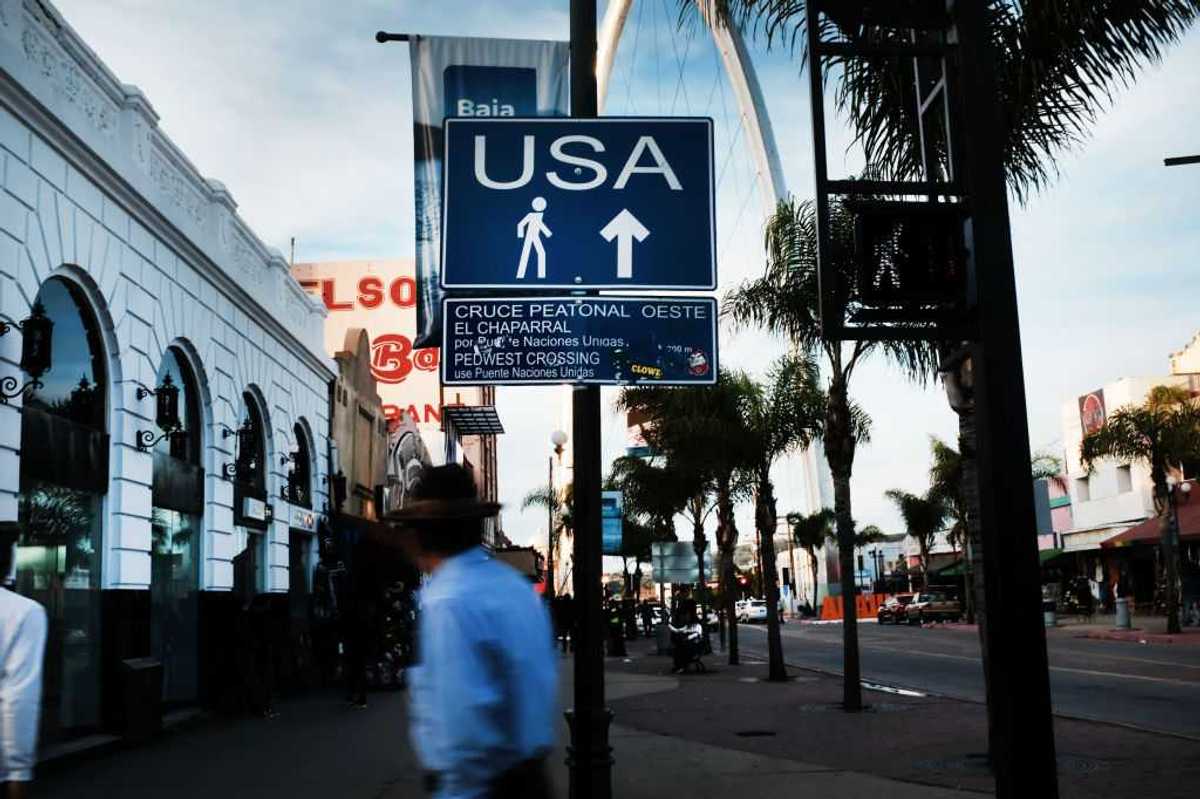
As an educator, my classroom is a microcosm of this country. My students come from all corners of the globe. Some are Rohingya refugees who fled villages where their family members were killed. Some traversed the Americas, crossing the Darien Gap to reach what they hoped would be safety. They have lived experiences of not being able to practice their religion or criticize their government openly.
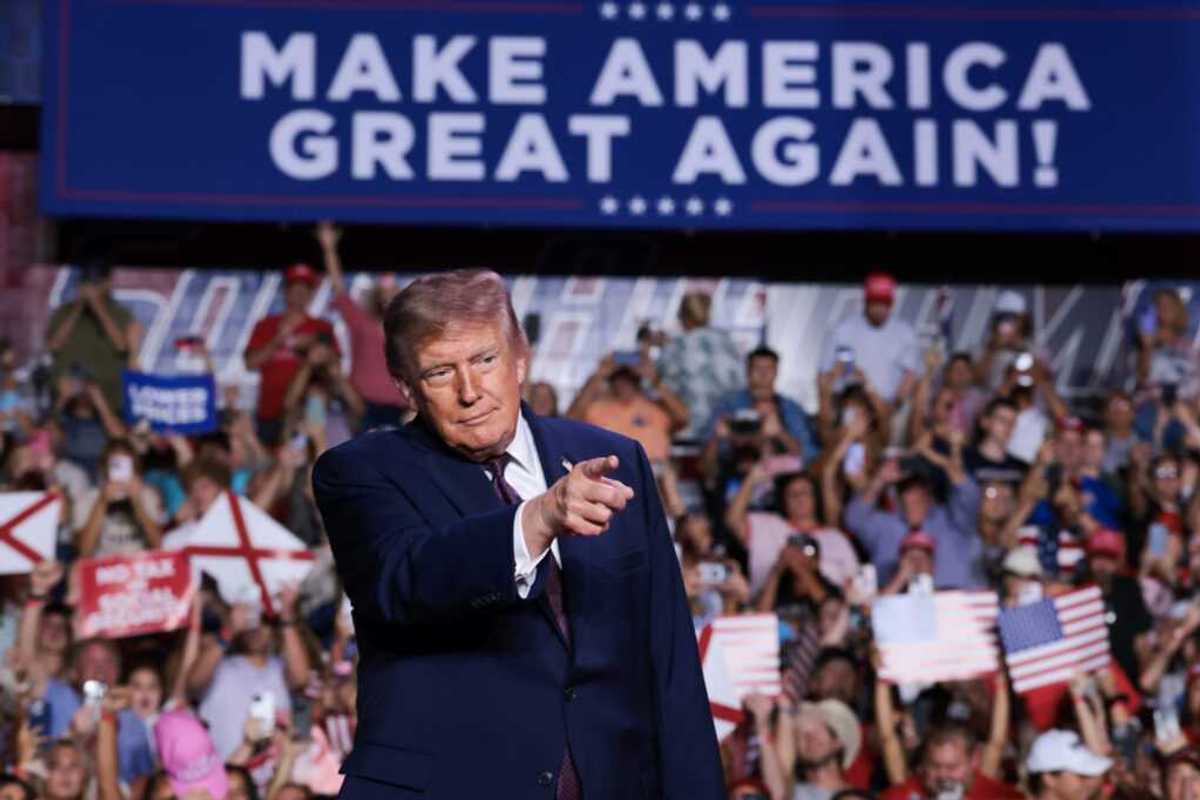
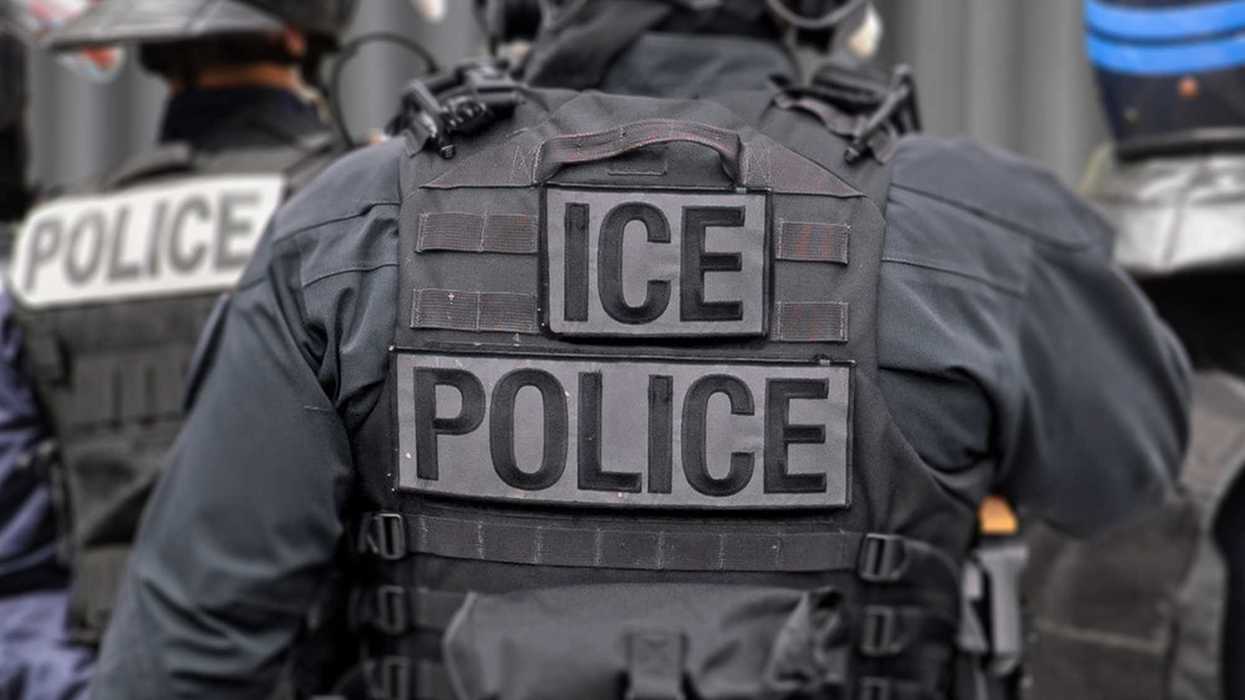
Last year, under President Trump’s administration, I saw my students reckon with a government that opposed their presence. Students disappeared from the classroom, citing fears of ICE stopping them on their way to school. Though they had the right to an education, no matter their legal status, they were afraid to pursue it—worried that it could mean being detained or deported.
According to the Pew Research Center, immigrants made up 15.4% of the U.S. population as of June 2025, down from 15.8% in January. The decline aligns with increased federal immigration enforcement, including the Trump administration’s December 2025 launch of “Operation Metro Surge,” which targeted undocumented immigrants in Minnesota.
Undocumented immigrants are especially vulnerable to government overreach, due to their precarious legal status. Under an administration that has repeatedly used anti-immigrant rhetoric, Operation Metro Surge is an example of what happens when the government attempts to override a population’s constitutional rights. As Tara Watson, director of the Center for Economic Security and Opportunity at the Brookings Institution, warns, immigrants can become a “testing ground” for authoritarian power. A restriction of constitutional rights can spread to noncitizens and citizens alike, weakening democracy.
For instance, Mahamed Eydarus, 25, and his mother, both U.S. citizens, were stopped by ICE agents, during Operation Metro Surge, while shoveling snow out of a parking spot. In a lawsuit filed by the American Civil Liberties Union against the Department of Homeland Security, Eydarus and other plaintiffs alleged that agents used racial profiling to detain people without reasonable suspicion of an immigration violation or probable cause for arrest. Although the U.S. District Judge Eric Tostrud declined to grant an injunction against the government's actions, he found that Eydarus and his mother were stopped and detained solely because of their race or ethnicity. Eydarus was targeted due to the color of his skin–despite being a citizen.
The Trump administration’s harsh actions toward immigrants have pushed the limits of power and control. In doing so, it has weakened the central promise underlying our democracy—that this country will respect the rights of all those within its borders. My students deserve to be able to pursue their education without fear. When they cannot, that promise has been broken.
Abbey Osborn is a student at CUNY Newmark Graduate School of Journalism. Abbey focuses on local democracy, public institutions, and youth civic engagement. She brings experience in community reporting and a commitment to amplifying voices often overlooked in political coverage.









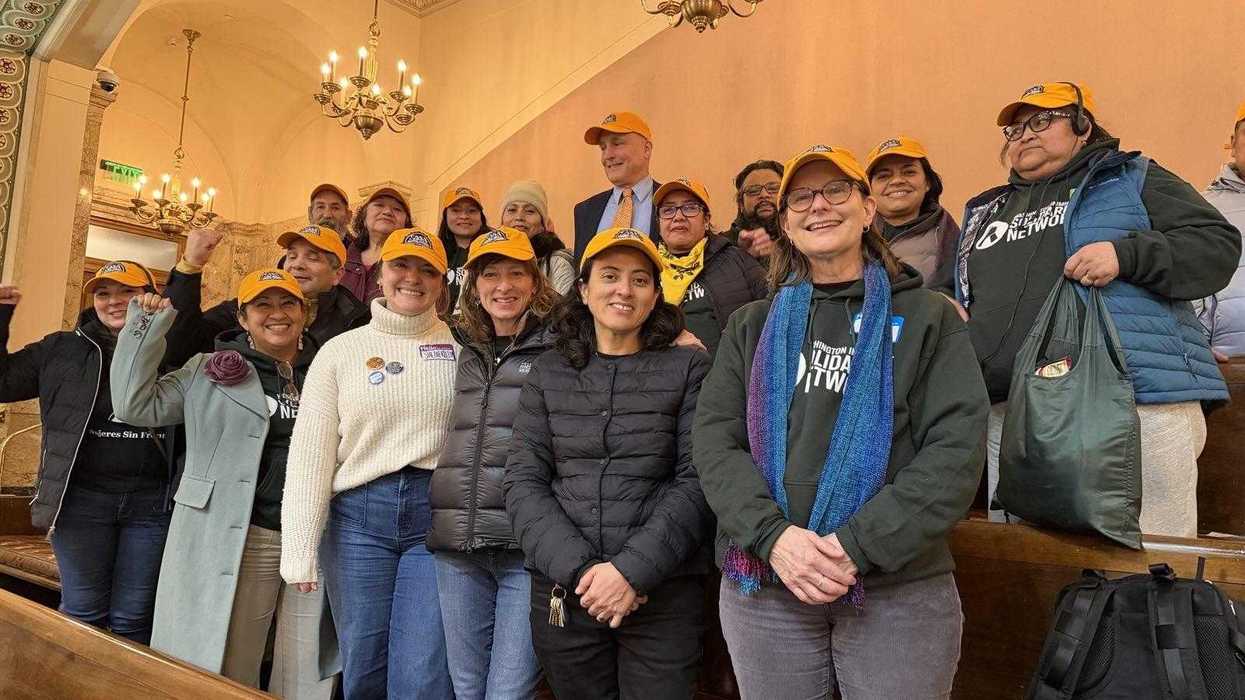
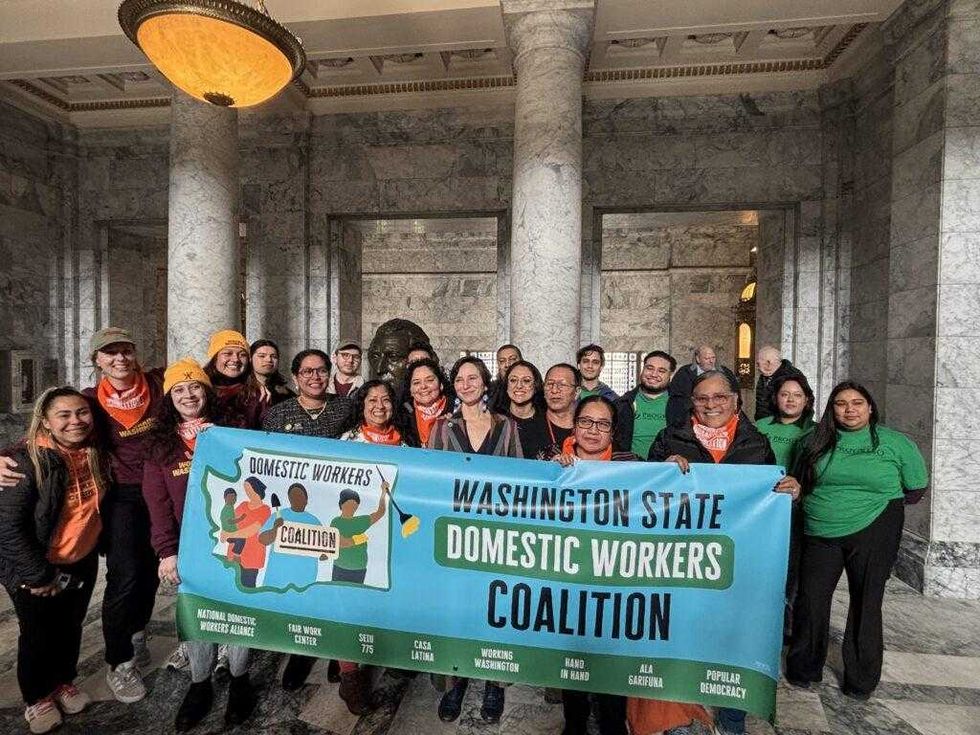 State Sen. Rebecca Saldaña, center, stands with members of the Washington State Domestic Workers Coalition at the state Capitol on Feb. 28, 2026. The Domestic Workers Bill of Rights passed in the House that day, before being signed into law in March. (Photo courtesy of Casa Latina)

The President Invited Iran to Bomb My Home