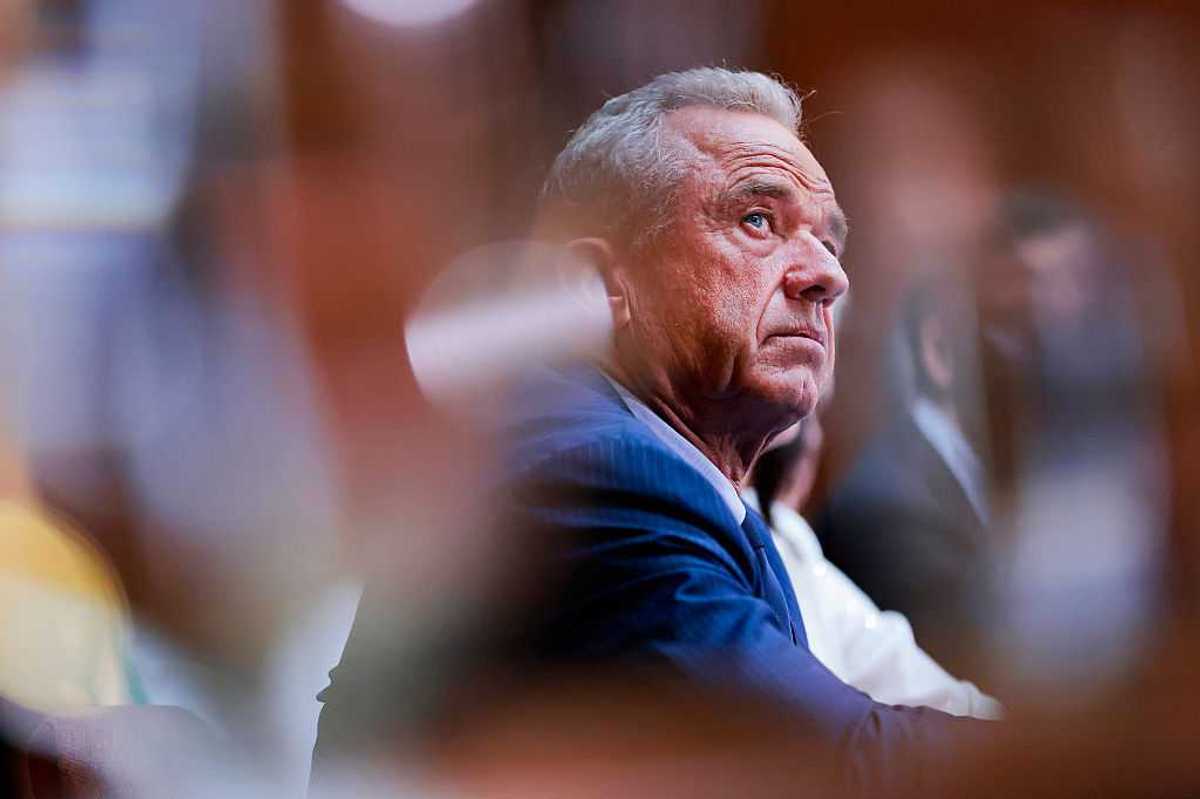

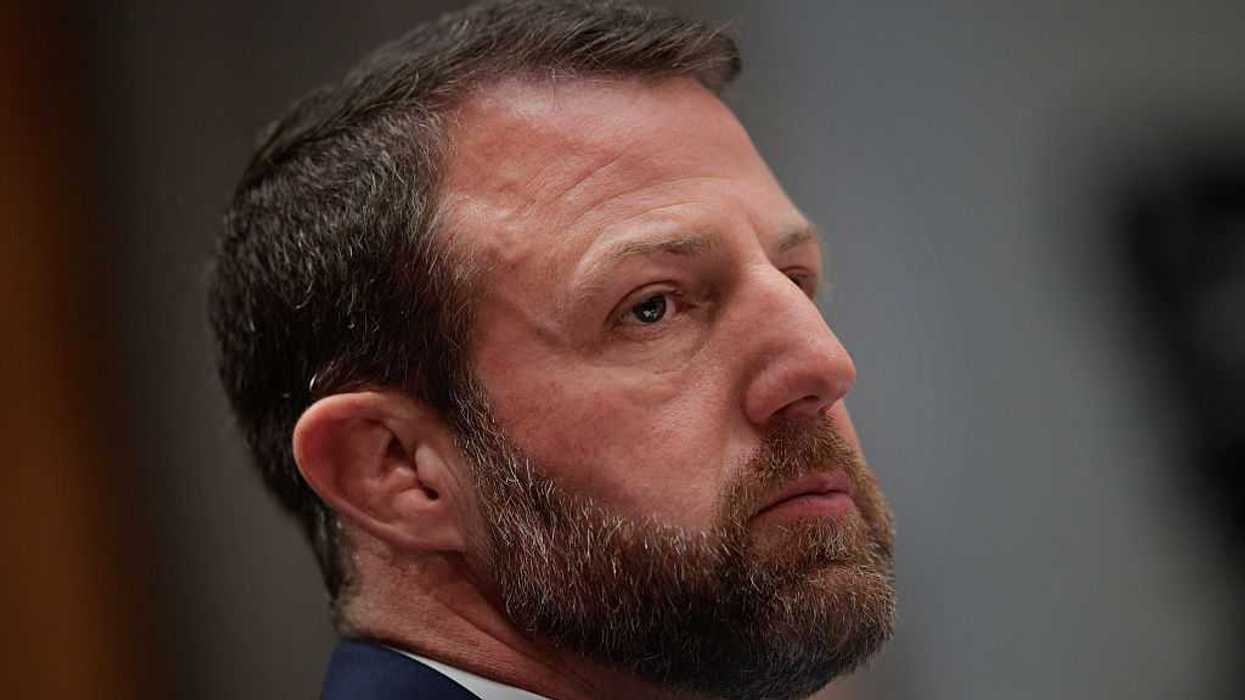

Since arriving in Congress in 2013 Sen. Markwayne Mullin has been known for disappearing for a few weeks to Afghanistan in a putative effort to rescue Americans still there after withdrawal and tried to draw the president of the Teamsters into a fight during a hearing. Ironically, or possibly appropriately, Sean O’Brien, that same president of the Teamsters, endorsed Mullin’s nomination. He has written several laws supporting Native American communities and pediatric cancer research. A Trump loyalist, on January 6, 2021 in the hours after the riot at the Capitol, Mullin voted to change the outcome of the 2020 presidential election by omitting Arizona and Pennsylvania’s votes for Joe Biden.
His work experience prior to his political career was primarily in running his family’s plumbing business after his father became ill. He spent four months as a mixed martial arts fighter with a record of three wins. (He’s also gotten a lot richer while in Congress.)
Now he’s awaiting confirmation in the Senate to be President Trump’s next Secretary of Homeland Security, which oversees immigration agencies, FEMA, TSA, the Coast Guard, the Secret Service, and the cybersecurity agency CISA. (Outgoing DHS secretary Kirsti Noem was fired by Trump in the aftermath of the immigration agencies killing two Minnesota citizens at protests, and DHS is fiscally shut-down while Democrats are demanding immigration agency reform.)
How have nominees been vetted in the past?
In general, under other administrations, nominees had to go through a rigorous background check process focusing on taxes, personal and organizational affiliations, any legal issues and family issues. Nominees have had to fill out an SF-86, a form that allows for security clearances. This standard was already weakened in the first Trump Administration when Trump ordered his son-in-law, Jared Kushner, to be given security clearance despite issues with his SF-86 form, and in the second Trump Administration the vetting process has been slimmed down even further. Nominees also respond to detailed questions in writing from senators on the committee handling the nomination.
Committee Hearing and Vote
March 18th’s Senate Homeland Security and Governmental Affairs Committee hearing on Mullin’s nomination had three separate tracks.
Most of the GOP senators focused on the fact that DHS remains unfunded 30+ days after its last funding ended.
Sen. Paul (R-KY), the committee chair, took a different tack: he said that Mullin’s approving comments about Paul’s 2017 attack from a neighbor showed that Mullin was a bad choice for an agency that has been notable for its aggressive use of force since the start of the current administration. Also in the course of their back and forth, Mullin claimed that dueling was legal. It’s murder, actually.
(In its earlier years, Congress was a pretty violent place. Legislators often attacked each other physically and in 1838 Rep. Graves killed Rep. Cilley in a duel!)
The third track, coming primarily from Sen. Peters (D-MI), challenged Mullin on his tendency to embellish facts. This track ended up going in a different direction than was perhaps expected. Peters was asking about comments Mullin had made suggesting he had been in combat, yet Mullin has never served in the military in any capacity.
Mullin’s response was that it was related to a “classified” trip he took while serving in the House which involved some kind of very difficult training. Something was wrong with the story: the House does not have the power to classify secrets since classification is a power of the president. Mullin tried to refuse to provide any more information to the senators, but Sen. Paul called his bluff and asked for details to be provided in a room meant for classified topics, called a SCIF. When they came out, Sen. Lankford (R-OK) said that Mullin’s trip was about a whistleblower and was covered by a non-disclosure agreement, not classification. This whole thing was extremely unusual.
A nominee to lead an agency with substantial law enforcement powers and some national security responsibilities who doesn’t know the difference between classification and a non-disclosure agreement, favors violent resolution to disputes (and thinks it’s legal), and tries to avoid actually answering questions about things he brought up himself might have been disqualifying in the past. It’s obviously not anymore.
In the end, Mullin’s performance made no difference. Thursday, March 19, the committee voted to send his nomination to the Senate floor. Sen. Paul was the only Republican voting no, but Sen. Fetterman (D-PA) voted yes, as both had indicated they would in advance, which was enough to pass the committee. Mullin will be approved by the full Senate sometime next week probably. Whether he gets any votes besides Fetterman’s from the Democrats is currently unknown. All Republicans except Paul are expected to vote yes, and that will be enough.
Confirmation on Easy Mode: Sen. Mullin’s nomination to lead DHS was originally published on GovTrack.us and is republished with permission.
Amy West is the GovTrack research and communications manager.