


Skip to content
Search

Latest Stories

Follow Us:
Top Stories

What Is It To You?

What Is It To You?
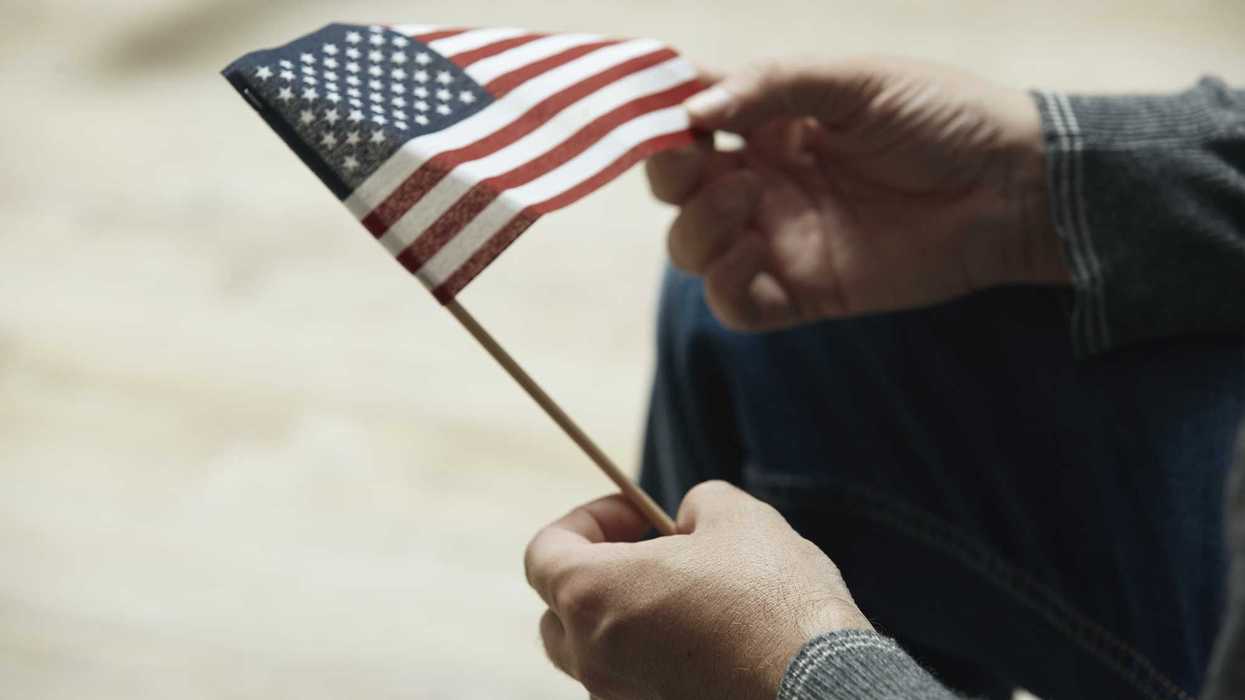
flag of USA with flag pole
Photo by Brandon Day on Unsplash

As part of a collaboration between The Fulcrum's NextGen initiative and Made By Us, The Fulcrum is publishing Letters to America, a series created through the Youth250 project that invites Gen Z to reflect on the nation’s past, present, and future as the United States approaches its 250th anniversary.

Dear America,


Oftentimes, we find ourselves at the crossroads of me or we. This presents the age-old question that has been asked countless times: What is it to you?

It is indisputable that, as a result of the pandemic, we have become more individualistic as a society. We should be a country where there are different understandings, but a shared identity of compassion and acceptance of differences. While the age-old question is individualistic, perhaps we can extend it to be collective.

What is it to you when your neighbor is hurting and suffering under the weight of life? What is it to you when the government implicates civil rights and freedoms, irrespective of political party? What is it to you when policies negatively impact the least among us?

As we celebrate America's 250th anniversary, let us look back as we look forward. It is only when we ask questions in the collective on how we act as human beings and how the government asserts power that we rise to be the shining city on the hill.

The following is my request: check on one another, even amid troubling times across multiple areas of society. Together, we can overcome our own weaknesses, character flaws, and blind spots, so that the sun may never stop shining over our nation, our country, and our home.

Carlos David Gamez, 23, Lakeland, FL


Read More

Montanans Urged To Defend Voter Integrity in November Elections

The Trump administration’s Justice Department has filed 30 lawsuits against states refusing to hand over voter rolls, which include personal information including Social Security and driver’s license numbers.

Adobe Stock

Montanans Urged To Defend Voter Integrity in November Elections

Democracy watchdogs warned President Donald Trump is setting the stage to tap emergency powers to ensure Republicans do not lose control of Congress in November’s midterm elections.

Since January, the Trump administration has used federal law enforcement to raid election facilities to seize ballots and voting machines in places like Georgia and Puerto Rico. Trump continues to cast doubt on the integrity of elections in Montana and across the nation.

Keep ReadingShow less
Political Corruption Is Often Not a Voting Issue in America

electoral fraud/voter apathy/totalitarism

Getty Images - digitally generated image

Political Corruption Is Often Not a Voting Issue in America

Almost every week, there seems to be another story about the pay-to-play ethos that is dominant in Donald Trump’s Washington, DC. On July 30, the Wall Street Journal added a new one to the list.

The Journal described the president’s fervent interest in fundraising and how he checks almost nightly with his top fundraiser, Meredith O’Rourke, to find out “which companies and donors have cut checks and which haven’t, and for how much.” The story highlighted the way she channels his interest into making her pitch.

Keep ReadingShow less
As Temperatures Rise and Federal Funding Falls, Drowning Risks Grow
a group of kids in a pool
Photo by Kevin Paes on Unsplash

As Temperatures Rise and Federal Funding Falls, Drowning Risks Grow

July 25 marked World Drowning Day. More than 4000 people die from unintentional drowning in the United States each year. This translates into an average of 11 drowning deaths per day. Children ages one to four are at greatest risk, making drowning the leading cause of death for that group and the second leading cause of death for children ages five to 14.

Two emerging trends could make those numbers worse: federal funding cuts that have weakened drowning prevention efforts and hotter summers that are driving more people to water to cool off. Together, these trends threaten to deepen long-standing disparities that already place Black, Indigenous, autistic, and low-income communities at greater risk.

Keep ReadingShow less
U.S. Capitol with a flag waving in front of it.

As Washington stalls, young bipartisan lawmakers in Alaska, Mississippi, and beyond are proving that cross-partisan collaboration still wins.

Douglas Rissing/Getty Images

The Politicians Who Can Fix America's Polarization Problem Will Win

Political predictions are notoriously unreliable, but here is one I am willing to stand behind: the elected officials who figure out how to govern across difference will dominate the next decade of American politics. With dysfunction and paralysis having become the status quo in Washington, elected officials who work together to get things done will turn heads, offering desperate voters a much-needed alternative to a broken system.

Consider what happened in Alaska last year. The state’s lawmaking structure does not encourage political independence. Alaska has the nation's highest veto-override threshold: three-quarters. So when a popular education bill promising smaller class sizes, a cellphone ban, and vocational training funding cleared the legislature, only to be vetoed twice by the governor, it looked dead in the water.

Keep ReadingShow less