If you ask a young person what’s happening this summer, you might hear about the FIFA World Cup, the BTS reunion tour, or plans to catch the new Spider-Man in theaters.
But very few would bring up one of the most important milestones in American history: the U.S. 250th.
When I talk to older Americans, many look back fondly on the U.S. Bicentennial in 1976 as a moment of national celebration, investment in cultural institutions, and public conversation about what it means to be American. But with just two months until July 4, the 250th has mostly missed Gen Z – and with it, America has missed out on Gen Z’s ideas, passions, and vision for the future.
We are living through a moment of deep division, declining trust, and economic uncertainty. Young Americans are losing faith in our country’s promise, with Gen Z being the least patriotic generation, with the lowest trust in institutions. Yet, research shows that young people are not opting out of civic life, but are creating new pathways to engage and make a difference.
Through two years of running Youth250, a nationwide effort to bring young people into this moment as creators and collaborators, we’ve learned that the 250th can be an opportunity to help my generation see ourselves as the founders of the future. By offering a multi-perspective view of our history and avenues for young people to shape how we mark this moment, we can drive a narrative shift, stronger and more connected communities, and a legacy of youth leadership.
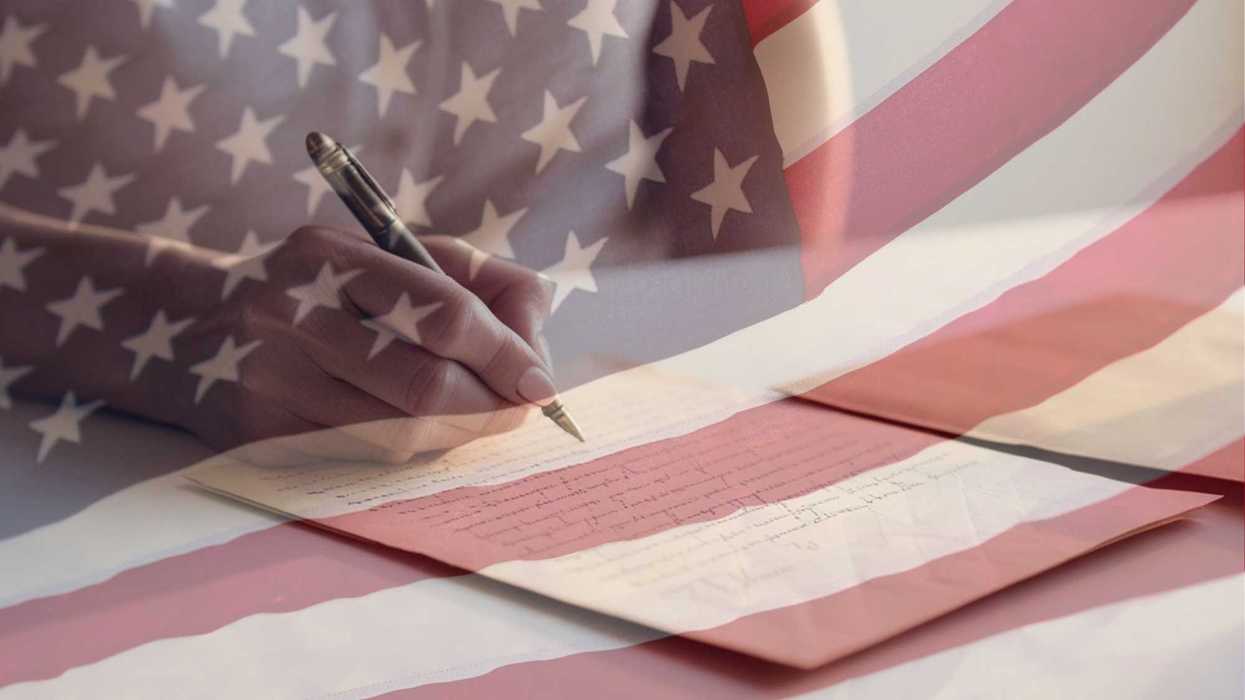
Last summer, with the U.S. 250th just a year away, a group of young people from Youth250 teamed up with 25 leading civil society organizations to publish an open letter in Teen Vogue, asking institutions and leaders to “bring us in” to every room in America where decisions are made. Dozens of organizations co-signed the letter. More than 200 organizations have since invited young people to advise on their work, speak, write, and serve on committees and boards. We launched a Substack and a Washington Post collection to meet the demand for more youth insights.
In February, just steps from where the Declaration of Independence was signed in Philadelphia, we crafted a collective, traveling youth Declaration and invited eight creators to deliver a live “Letter to America” on stage. Ranging from spoken word to dance to presentations, these reflections on the United States at 250 inspired the crowd and pointed the way forward to an America for all. The impact was immediate – inspiring, hopeful, and actionable.
Today, we kick off the Letters to America series in The Fulcrum, with an open call for all young people to add their voice.
Through written essays, short videos, speeches, and art, teens and young adults are invited to put the American story in their own words. Whether through reflections on America’s past, personal stories about family, identity, and experiences, or powerful visions for the future,
Letters to America introduces readers across the United States to the generation that will carry us forward to the 300th anniversary.
This project is intentionally designed to be accessible to every young American, from Alaska to Puerto Rico. Young people ages 14 to 30 years old can submit their own letters at youth250.org/letters, share them through local and national outlets, participate in Youth Takeover Day events, or partner with organizations willing to pass the mic. For those looking for more support, the Youth250 Content Corps offers resources and a community of peers working to tell the story of a generation in real time.
Selected submissions will be published in The Fulcrum every week, and by museums, media, and civic organizations across the country as part of National Youth Takeover Day on June 27, 2026, a moment designed to pass the mic to the next generation.
Dive into the series with our first Letter to America, from Haley Hamsher, 19.
Alex Edgar is the Youth Engagement Manager with Made By Us.
United We Sit
Dear United States of America,
250 is a big number! I barely remember turning 10. Although you have 231 years on me, I have seen a massive change in this country, too. Something I notice day to day is how divided people can seem. Yes, everyone has an opinion, and yes, sometimes those opinions turn into arguments instead of conversations. But I don’t believe that division is what defines you, America. I think unity does.
You have always been a country full of different people, perspectives, cultures, backgrounds, and beliefs. A “melting pot,” as some would call it. That’s why you are so unique. But just because we have differences, why do we have to be separated? Our differences are what make us the strongest country in the world. Out of all 195 countries on this little planet, we are crowned the best. So why can’t we listen to each other instead of shutting others out? I believe respect and understanding don’t require agreement; they just require effort.
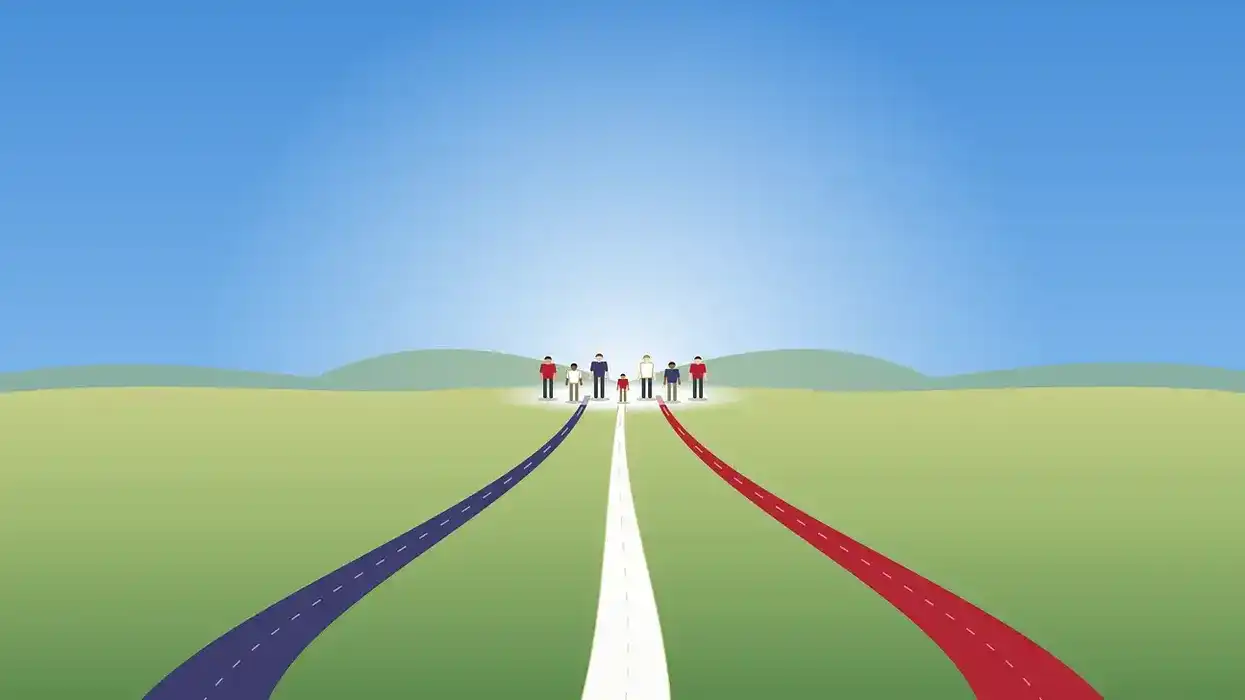
It may feel easier to stay in our own lanes and groups and talk to people who think like us. But for the sake of our future, we need to change that. Change is good. True progress stems from the willingness to hear others’ viewpoints and striving for common ground, even at the most difficult times. But at the end of the day, most people want similar things: safety, opportunity, and arguably the most important, a sense of belonging.
As we move forward, taking responsibility to find a solution that resolves the constant division is something that can help maintain and repair the cracks in this country’s power. We need to aim for a more united America. That doesn’t mean pushing problems to the side or pretending everything is perfect. It just means choosing to approach those problems with respect instead of angst. No matter how big or small the changes are, the way we choose to treat each other can make a big difference over time.
As we raise our glasses and celebrate your 250 years, I hope you and our country continue to move toward a place where people can disagree without division. A country where listening matters just as much as speaking does. And a country where unity isn’t about being identical, but about working together despite our many differences. Happy, Happy Birthday America! We love you.
All my love,
Haley Hamsher, 19
St. Augustine, FL
Look for the next Letter to be published right here on The Fulcrum on May 2, and every week thereafter, through July.








 Following our HWF Civic Futures kickoff last week with Eric Liu, our design partners at Public/Official have created a unique visual to capture the “civic scaffolding” spirit of this conversation.
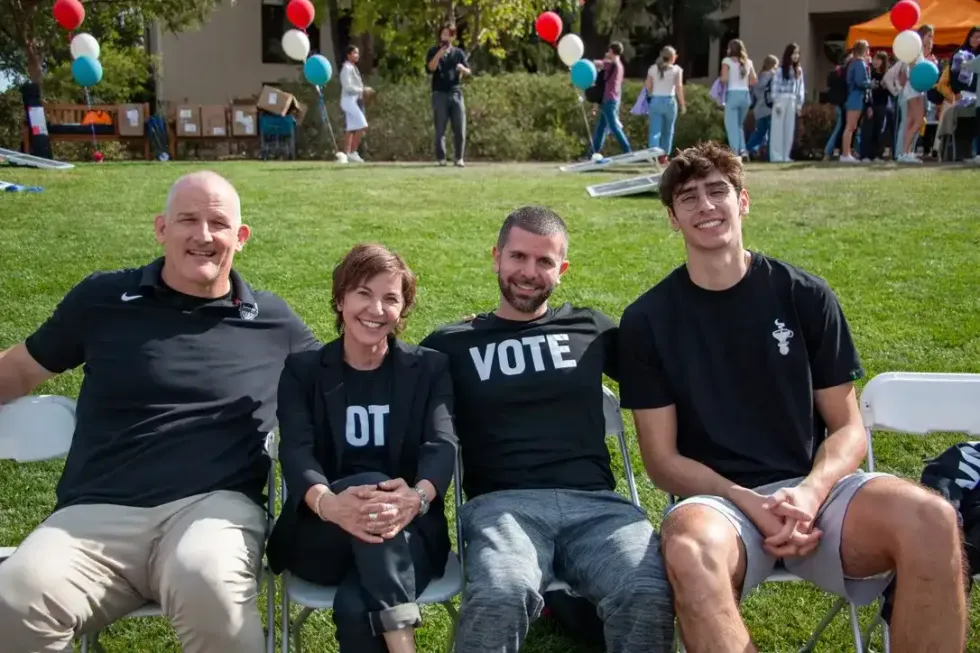 Lisa, Coaches Rev and Matt Elkin, and former Stanford Men’s Basketball star Maxime Raynaud at Stanford’s “All Vote No Play” Democracy Day, 2025