



Earlier this year, the Bridge Alliance and the National Academy of Public Administration launched the Fellows for Democracy and Public Service Initiative to strengthen the country's civic foundations. This fellowship unites the Academy’s distinguished experts with the Bridge Alliance’s cross‑sector ecosystem to elevate distributed leadership throughout the democracy reform landscape. Instead of relying on traditional, top‑down models, the program builds leadership ecosystems—spaces where people share expertise, prioritize collaboration, and use public‑facing storytelling to renew trust in democratic institutions. Each fellow grounds their work in one of six core sectors essential to a thriving democratic republic.
Below is an interview with Kimberly Walton and Tamara L. Miller. Walton has more than thirty years’ experience working in the executive branch of government, including serving as Executive Assistant Administrator for the Transportation Security Administration. Miller also has three decades of experience in the executive branch, including 21 years in the U.S. Air Force, retiring as a Lieutenant Colonel and Judge Advocate. Walton and Miller cofounded SynergyUSA, a firm focused on developing organization-wide strategies that effectively identify and communicate talent gaps, build leadership capacity, assess employee engagement, gain stakeholder buy-in, and track implementation with metrics.
Their Fellows for Democracy and Public Service Initiative will explore how pluralism is practiced, challenged, and reimagined across communities and institutions, amplifying stories of coexistence, conflict, and cultural evolution to shape a republic where every voice matters and every story counts.
Question. Could you describe the project?
Kim Walton: Pluralism is often discussed as a value, something we aspire to, but institutions don't run on inspiration alone. They run on systems, norms, practices, and behaviors. So, what would it mean to treat pluralism like an operating system rather than an abstract idea? Our approach is going to examine how pluralism is practiced and how it becomes strained across different economic and geographic contexts.
Tamara Miller: We also want to convene policy makers, nonprofit leaders, civic intermediaries, community representatives, students, veterans, faith leaders, youth organizers, first responders, and non-governmental organizations that work within communities. We want their perspective on what pluralism is about. Pulling all those groups together so we can function as effectively as a society.
Question. What are the practical outcomes that you might expect?
Kim Walton: This project is intentionally designed to be practical. One of the key outputs is a pluralism practice playbook. We're looking for a set of tools that leaders, institutions, and communities can actually use rather than advancing ideological prescriptions. For example, how do you structure conversations so economic grievances don't immediately become identity conflicts. What leadership behaviors communicate dignity across differences in status, class or geography? How can institutions measure whether people feel their voices shape outcomes rather than simply being acknowledged? Because if pluralism is to be sustainable, it must be operational.
Tamara Miller: We're also excited to design templates for civic agencies, nonprofits, and local governments. We must give people actual documents and guides that help them implement these concepts of how to frame pluralism regardless of where you are.
Question. How might citizens and other key stakeholders utilize your work in this project to improve democracy?
Kim Walton: Most citizens don't experience democracy primarily through elections or formal politics - they experience it through institutions, schools, workplaces, local governments, community organizations. That's where trust is built. This work will provide a framework for understanding how dignity and belonging influence civic trust for institutions. It offers guidance on reducing the zero-sum dynamics that often drive disengagement and resentment. For community leaders, it will offer practical ways to navigate divides rooted in economic identity and place.
Tamara Miller: As a nation approaches its 250th anniversary the reality is it's not whether Americans will agree more - it's whether we can build systems that allow disagreement without collapse. So, pluralism as a practice, as an operating system, rather than as an aspiration will help make that possible.
You can see a short video of the interview here:
- YouTube youtube.com
Bradford Fitch is the former CEO of the Congressional Management Foundation, a former congressional staffer, and author of “The Citizen’s Handbook for Influencing Elected Officials."








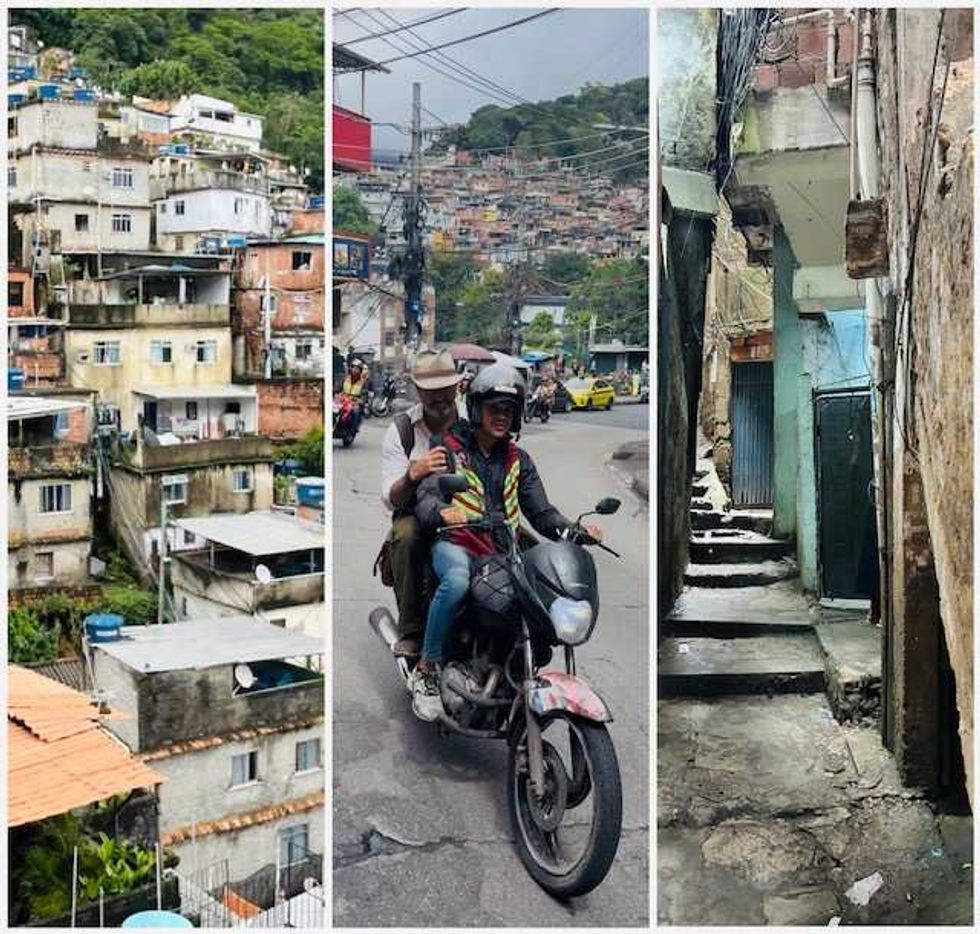 Scenes from Favela Rocinha, Brazil - (R-L) Rows of brick homes, Hugo Balta on a motorcycle taxi, and steep, winding roadsHugo Balta

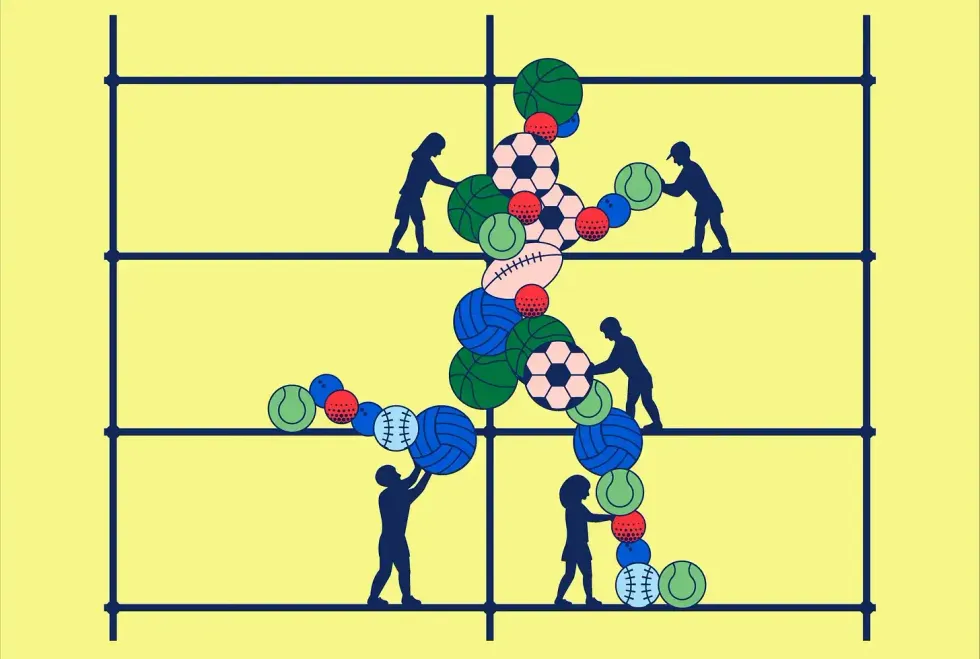 Following our HWF Civic Futures kickoff last week with Eric Liu, our design partners at Public/Official have created a unique visual to capture the “civic scaffolding” spirit of this conversation.
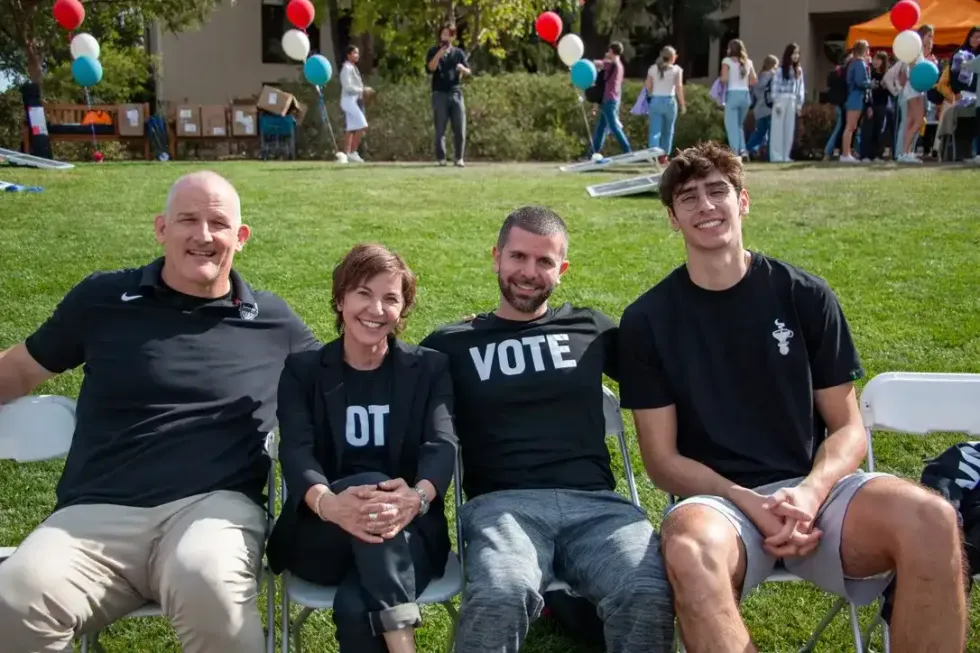 Lisa, Coaches Rev and Matt Elkin, and former Stanford Men’s Basketball star Maxime Raynaud at Stanford’s “All Vote No Play” Democracy Day, 2025