




Wisconsin filmmaker Nathan Deming said his independent film February is part of a long-term project to document life in Wisconsin through a series of standalone fictional stories, each tied to a month of the year.
Deming said the project is intentionally slow-moving and structured to explore different perspectives rather than follow a single narrative. He said each film functions on its own while contributing to a larger portrait of the state.
“The idea is that each month will be like a standalone film, a standalone project, and try to capture a different part of Wisconsin life in Wisconsin culture each time, but they’re all like, they’re all fictional stories, right? And so this is deliberately something that’s going to take me a really long time,” said Deming.
February is the second film in the series, following January, which was released earlier. Deming said he is completing the films in order and plans to continue the project.
YT
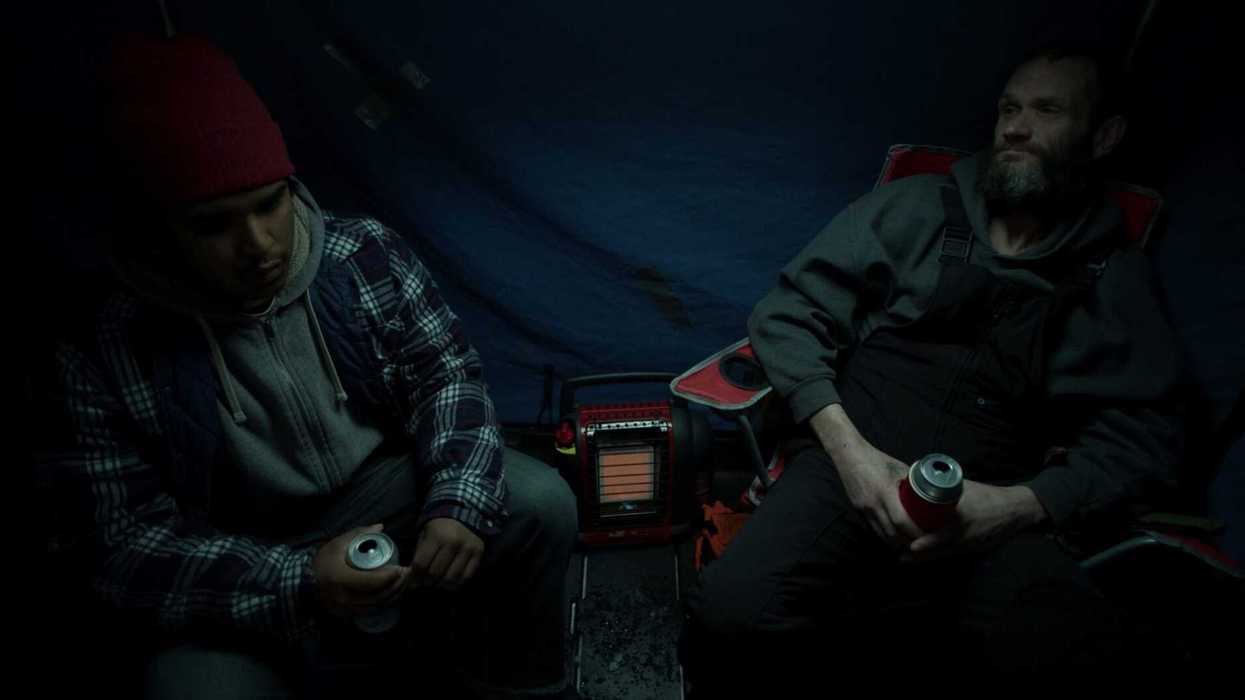
The film follows Miguel, a young man who is new to Wisconsin and experiencing winter for the first time. Deming said he wanted to shift perspective away from longtime residents to someone encountering the state without familiarity.
“I thought it was really fun that right away on the second, you could call it an episode, I guess, that we shift to a perspective about Wisconsin and that a lot of people don’t think about, and that is Latinism in Wisconsin,” said Deming.
“I was really interested in a lot of my research, like, um found out that they they are estimated to make up like 75% of the dairy workforce now in Wisconsin, which, you know, is like huge part of the state and I think culturally they’re still kind of treated as like invisible a little bit here,” he continued.
His interest in telling an immigrant story grew out of research into Wisconsin’s Latino population and its role in the state’s economy. He said the scale of immigrant labor in agriculture, particularly dairy farming, stood out to him while developing the script.
Deming said he wrote February several years ago and did not want the story to function as a political statement. The film focuses on everyday life rather than policy debates, centering on routine experiences such as work, isolation and adapting to winter in a new place.
Ice fishing serves as the central setting for much of the film. Deming said he chose it because it reflects a specific Wisconsin subculture and something “very Midwest.” It offered a natural way for two characters from different backgrounds to share space and connects to the main character’s process of adapting to a new environment.
Deming said he collaborated with actors during production and leaned on their personal experiences. He said the actor who plays Miguel drew from his family background, and he also cast a non-actor for the fisherman role to maintain authenticity.
As the film toured across Wisconsin for over the past year, Deming said audience reactions varied, including responses that surprised him. Some viewers told him the film prompted them to think differently about immigration.
“I’m from a small town in Wisconsin originally. It’s a fairly conservative small town, and I’m not conservative. But I know that currently things are very divided, and like not just along a specific issue, like immigration,” said Deming.
“I have strong feelings about it, but I think for a story like this or what I want to do as a filmmaker, I just try to remove myself as much as possible and just put it out there, and then hopefully people can draw our conclusions that I agree with, you know what I mean?” he contonued, expressing that he did have some reactions that really surprised him when he took the film around the state.
“I had several people come out to me and say, ‘Wow, I never.. I never really thought about the immigrant experience before, what Latinos go through,” he said.
Deming said he also heard from Latino audience members after screenings who commented on details in the film and how closely they reflected their own experiences. He said those responses mattered to him as a filmmaker working outside his own background.
“At the heart of this film is two people from very different backgrounds connecting. I think and want to believe that that’s also what does happen every day in America, and despite all the bad things that also happen, like, I think this really is the American identity is, uh. most a lot of people at the end of the day want to connect, despite the different backgrounds,” said Deming.
February is available online. January, the first film in the series, is also available. Deming said future installments are planned.
Independent film captures Latino immigrant life in Wisconsin was first published on Wisconsin Latino News.
Angeles Ponpa is a multimedia journalist from Illinois. A graduate student at Northwestern Medill, specializing in Politics, Policy, and Foreign Affairs, Ponpa is a former Fulcrum intern.