
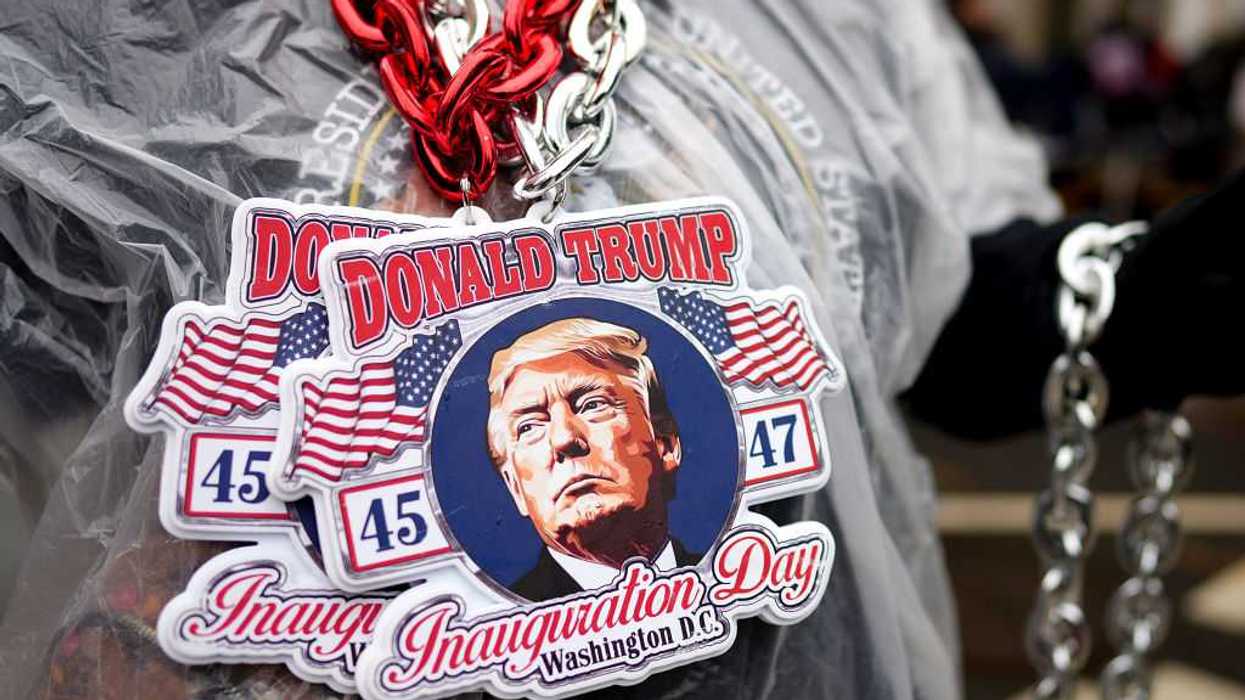

As President Donald Trump begins his second year back in the White House, economists, policy analysts, and public‑opinion researchers describe a country experiencing mixed economic signals, rising household strain, and deepening political anxiety. While tax cuts and energy‑sector expansion have delivered short‑term boosts, broader indicators suggest a more fragile landscape than the one Trump inherited in early 2025.
Trump’s most significant legislative achievement of the year—the One, Big Beautiful Bill Act—has begun to shape the economic outlook for 2026. The tax‑cut package, signed on July 4, is expected to deliver between $30 billion and $100 billion in aggregate refunds in the first half of the year, according to Bloomberg, which noted that the influx of cash could provide a short‑term boost to consumer spending. Economists surveyed by the outlet projected 2% GDP growth for 2026, describing it as “a modest pace by past U.S. standards” and cautioning that the administration’s more optimistic 3.5% forecast is unlikely to materialize.
The labor market tells a similarly nuanced story. An analysis by AInvest News found that 687,000 private‑sector jobs have been added since Trump took office, a figure the administration has highlighted as evidence of a strengthening economy. But unemployment has also risen to 4.6%, a sign that the labor market is cooling after years of post‑pandemic expansion. The same analysis reported that Trump’s tariff‑driven manufacturing strategy has reduced employment by 2.7% in targeted sectors, with automation and retaliatory trade measures contributing to the decline. “Fiscal risks from deregulation and tax cuts… contrast with short‑term energy sector gains,” the report concluded.
For many Americans, the most immediate measure of economic well‑being is affordability, and here the picture is more challenging. It is estimated that households face $1,300 to $2,100 in additional annual costs due to the combined effects of tariffs, deregulation, and inflationary pressures. A USA Today report captured the frustration of consumers who say rising prices have overshadowed any benefits from tax relief. “Household budgets are definitely top of mind,” the outlet summarized, noting that many respondents felt the economy was “worse” than a year earlier.
Steven Hill, writing in The Fulcrum, described the national economic landscape as a “split‑screen reality of positives and negatives,” arguing that Trump’s promises to lower the costs of living and deliver sweeping tax cuts have produced uneven results. “He promised to bring down the cost of living… and enact big corporate and income tax cuts. So, how is he doing?” Hill wrote, before outlining indicators that show both progress and backsliding.
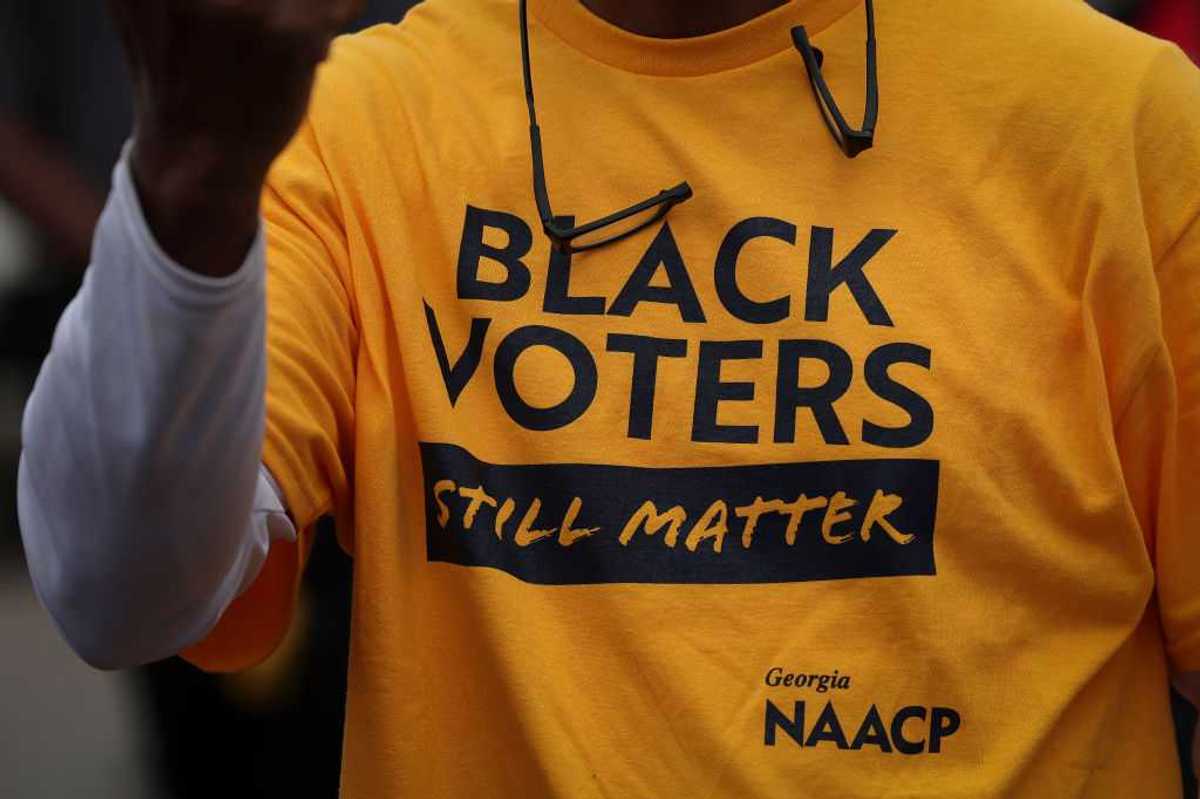
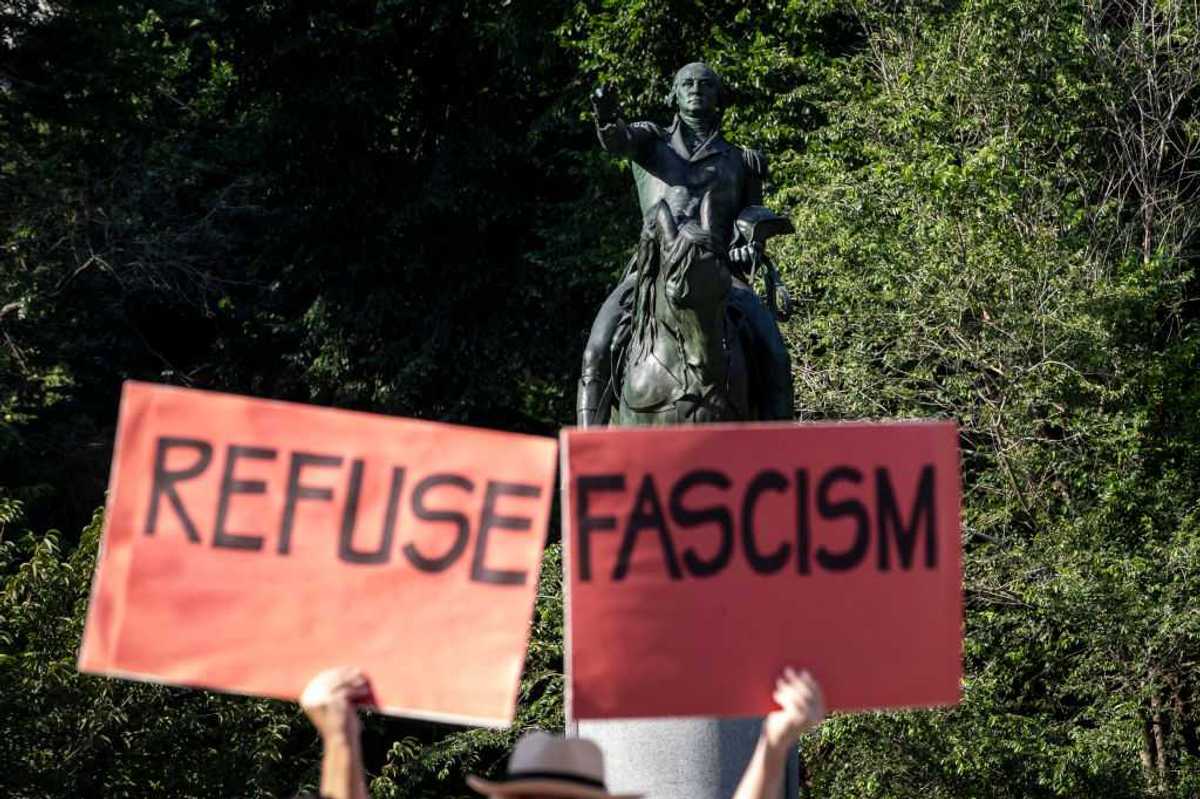
The political climate has also shaped perceptions of national well‑being. Protests have intensified in response to immigration enforcement actions and the executive branch's assertiveness, adding to a sense of volatility. Trump’s foreign‑policy posture has drawn global attention, particularly after the dramatic seizure of Venezuelan leader Nicolás Maduro, an operation that raised questions about legal precedent and executive authority. Coverage from TIME highlighted the tension between Trump’s anti‑elite political persona and his reappearance at the World Economic Forum in Davos, noting that he “gained popularity based on his ability to present himself as a foil to those who frequent Davos,” even as he re‑engages with global economic leaders.
Public sentiment reflects these crosscurrents. Polling throughout late 2025 and early 2026 shows a majority of Americans expressing pessimism about the country’s direction, with concerns centered on inflation, tariffs, and political division. While the administration points to tax refunds, energy‑sector growth, and job creation as signs of progress, many households say they feel squeezed rather than supported.
One year into Trump’s return to office, the United States is navigating a complex and contradictory moment. Tax cuts and sector‑specific gains offer reasons for optimism, but rising unemployment, higher household costs, and widespread public frustration point to deeper vulnerabilities. As Bloomberg put it, the U.S. economy is “on track” for modest growth, but the track is narrower and more fragile than the administration’s rhetoric suggests. Whether the country is better off than it was a year ago ultimately depends on which metrics—and whose experiences—are at the center.
Across the reporting reviewed, one theme is consistent: Americans are feeling the strain, even as headline indicators show pockets of strength.
Hugo Balta is the executive editor of The Fulcrum and the publisher of the Latino News Network