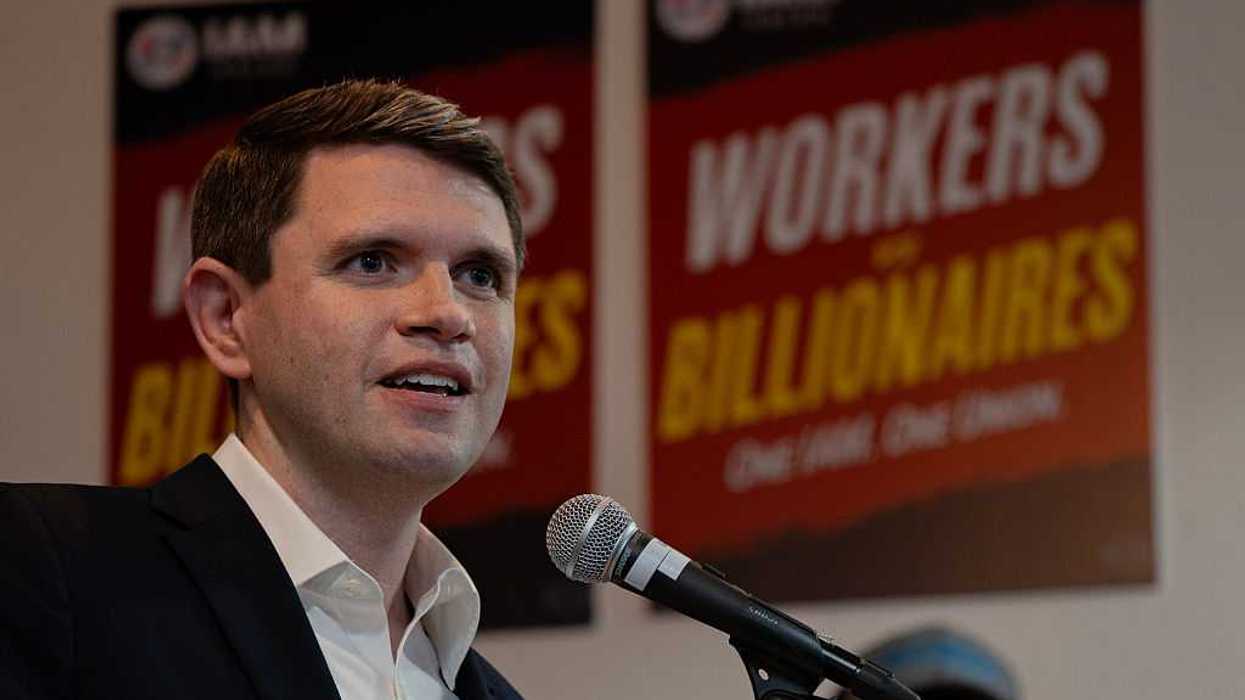


We reported in the Fulcrum on November 30th that in early November, disability advocates walked out of the West Wing, believing they had secured a rare reversal from the Trump administration of an order that stripped disability benefits from more than 800,000 older manual laborers.
The public record has remained conspicuously quiet on the matter. No press release, no Federal Register notice, no formal statement from the White House or the Social Security Administration has confirmed what senior officials told Jason Turkish and his colleagues behind closed doors in November: that the administration would not move forward with a regulation that could have stripped disability benefits from more than 800,000 older manual laborers. According to a memo shared by an agency official and verified by multiple sources with knowledge of the discussions, an internal meeting in early November involved key SSA decision-makers outlining the administration's intent to halt the proposal. This memo, though not publicly released, is said to detail the political and social ramifications of proceeding with the regulation, highlighting its unpopularity among constituents who would be affected by the changes.
Despite the absence of public acknowledgment, nothing in the intervening weeks suggests the rule has been revived. Since November 30, there have been no new entries on the administration's regulatory agenda. Key regulatory milestones have been bypassed, including deadlines for public comment periods and potential congressional hearings that would typically follow such a proposal. Additionally, no agency guidance or fresh reporting indicates a change in direction. The only developments from the Social Security Administration since November have concerned routine matters such as cost-of-living adjustments, modernization efforts, and internal restructuring, none of which affect the substance of the abandoned proposal. This lack of action stands out as an anomaly in standard federal rule-making practices, where a clear procedural timeline is typically observed.
For advocates, the lack of formal withdrawal is both reassuring and unsettling. Reassuring because every signal from inside the agency still points to the same conclusion: the rule is dormant. Unsettling because the decision that affects hundreds of thousands of vulnerable Americans exists only in private assurances, not in public commitments. As one advocate put it, 'We were told it was dead. But nothing is dead in Washington until it’s buried.' An administration spokesperson, however, might argue that the lack of a formal withdrawal is a standard due-process measure to ensure that all perspectives and interests are considered before finalizing any regulatory decision. They might emphasize that the administration is committed to balancing the needs of affected workers while ensuring sustainable policy outcomes.
The stakes remain enormous. The proposed rule would have redefined disability eligibility for older workers by effectively erasing age as a factor — a shift that would have hit hardest in communities already battered by economic transition: coal country, rural manufacturing towns, and regions where desk jobs are scarce and digital skills are not easily acquired late in life. The administration’s internal polling reportedly showed that older Trump voters overwhelmingly opposed such changes, a political reality that may have helped elevate the issue to the desks of senior officials in November.
But political sensitivity is not the same as policy certainty. Until the administration publicly affirms what it has privately conveyed, the disability community remains in a defensive crouch — vigilant, watchful, and aware that regulatory ideas have a way of resurfacing when attention drifts.
Perhaps concerns about the upcoming mid-term elections next November have played a role in the administration's reversal. As reported in November by the Fulcrum, "New polling by a Trump-aligned firm has suggested that older Trump voters would overwhelmingly oppose such changes to disability eligibility." According to the poll, 78% of voters over 55 opposed the rule, highlighting the political risk of moving forward with the proposed changes. In the wake of Democrats’ strong showing in recent elections, two people with knowledge of the situation said that the administration may have been particularly sensitive to these views. As one lobbyist put it, it’s all about the "elevation of an issue, and getting it on the right desks."
The deeper issue raised by this episode is not just the fate of a single regulation but the way major policy decisions can be made and unmade without the public ever being told. When a rule with the potential to reshape the lives of hundreds of thousands of disabled Americans can be advanced for years, nearly finalized, and then quietly shelved without a single formal notice, it exposes a structural weakness in how our government communicates with the people it serves. Transparency is not a procedural nicety; it is the foundation of democratic legitimacy. Legal frameworks such as the notice-and-comment process in administrative law underscore the principle that public participation is essential to developing regulations that reflect society's will and needs. Without such transparent processes, even good decisions can feel provisional and contingent on political winds rather than grounded in principle.
This is especially true in areas like Social Security disability, where the stakes are existential, and the public’s ability to monitor policy is limited by complexity. When agencies operate in the shadows — whether by design or inertia — trust erodes. People who depend on these programs are left to parse rumors, off‑the‑record assurances, and secondhand accounts from advocates who themselves are trying to interpret signals rather than respond to clear, public commitments. A system that governs millions of vulnerable Americans should not rely on whispered confirmations in West Wing hallways. It should rely on transparent processes, accountable leadership, and a shared understanding that decisions of this magnitude deserve daylight.
For now, the story is one of absence: no movement, no revival, no formal announcement. But in a system where silence can be strategic, it is also a reminder of how fragile protections can be when they depend on unwritten assurances rather than transparent governance.
David Nevins is the publisher of The Fulcrum and co-founder and board chairman of the Bridge Alliance Education Fund.