Sometimes, friendship and kindness accomplish much more than threats and insults.
Even in today’s Washington.
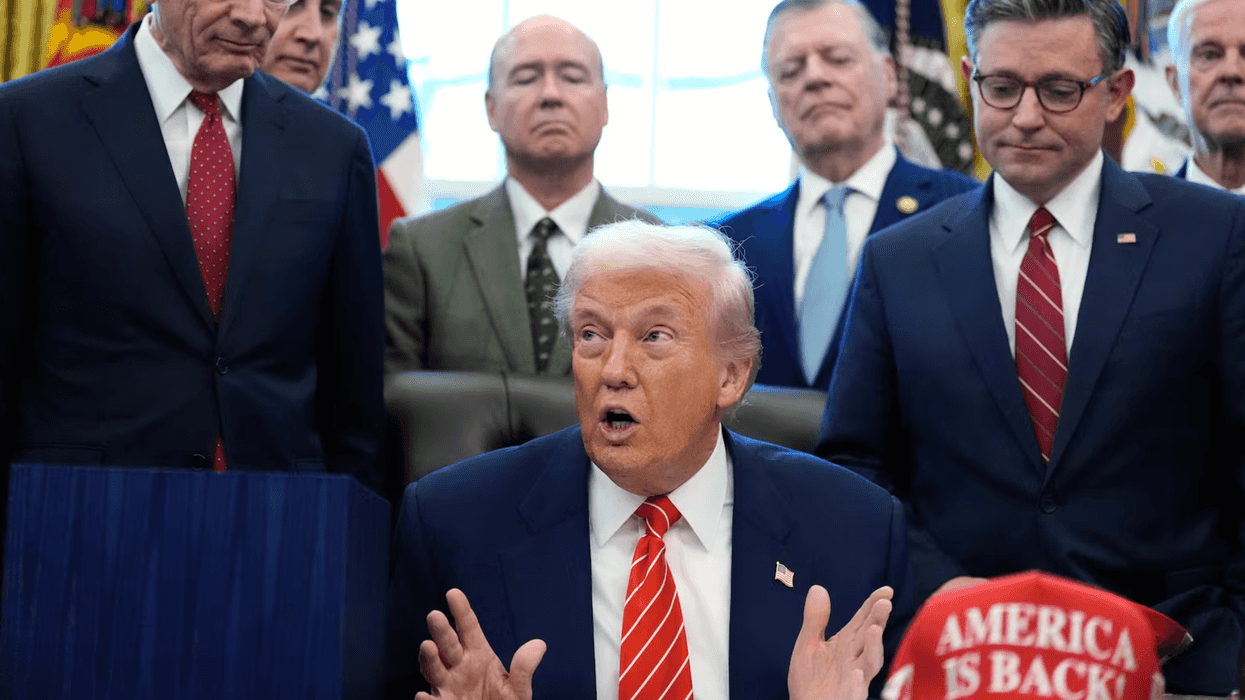
When Washington ended its most recent partial shutdown this week, President Donald Trump signed budget bills that contained substantial foreign aid appropriations, including $9.4 billion for global health programs.
This was much more than the president had originally indicated. It came about a year after Elon Musk’s DOGE cuts eviscerated the United States Agency for International Development and after disparaging remarks about foreign aid floated through many political discussions.
And it vindicated much of what Sam Daley-Harris has been trying to do for years.
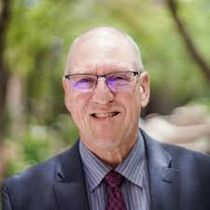
I’ve written about Daley-Harris before. He’s an advocate, the founder of Results, an aptly named group that concerns itself with people who are poor. But unlike most advocates, he has pioneered a method that trains volunteers on how to develop cordial personal relationships with their local members of Congress. He calls it “transformational advocacy,” and he believes it played a role in these appropriations.
The $9.4 billion is less than the $12.4 billion appropriated last year but much more than had been anticipated. It is part of a $51.4 billion foreign aid package.
Daley-Harris believes a lot of people want to make a difference in the world but don’t know how to do it. Should they protest? Should they file lawsuits?
“I think so few people know the transformational advocacy route; the build-a-relationship route,” he told me last week in a Zoom interview.
Daley-Harris learned years ago that good ideas alone aren’t enough to move the needle in Washington. Most advocacy organizations ask their volunteers to sign petitions or cookie-cutter form letters. It makes them feel as if they’ve done something even though Daley-Harris says only 3% of congressional staffers say those methods are effective.
Instead, he teaches volunteers how to become confident enough to meet with their own representatives in Congress or to access the editorial boards of their local newspapers. Instead of filling in form letters, they write their own op-eds.
If the member of Congress isn’t interested, the volunteers are taught to politely ask, “What would it take to change your mind?” Then, “Could you say more about that?” And finally, “Why do you think that is?”
Important letters
Over time, these everyday volunteers build relationships. Those relationships, Daley-Harris believes, eventually led to the letters hundreds of lawmakers of both parties signed recently urging the heads of important subcommittees to approve the funding that ended up in the budget bills President Donald Trump signed.
Those letters included the types of easily verifiable things Results volunteers have told members of Congress about for years, such as how the Global Fund for AIDS, tuberculosis and malaria has lowered HIV transmission rates by 75%, or how U.S. foreign assistance has, since 2000, reduced the number of preventable deaths to children under 5 by 58% and maternal mortality by 42%.
Did Trump know what he was signing? Did the larger issues that had divided Washington obscure the relatively small amounts for foreign aid and health programs?
Hard to say, but foreign aid traditionally has made up 1% or less of the federal budget.
Daley-Harris said he’s sure that of the hundreds of representatives who signed letters, “very few of them had ever heard of these things when they were running for Congress the very first time.” His “transformational advocacy” has informed them.
As always when I write about Results, I have to acknowledge that the organization gave me an award 15 years ago for my reporting on global poverty. Results leaders have connected me numerous times with Muhammad Yunus, the Nobel Peace Prize winner and current interim leader of Bangladesh. Last year, I traveled to Bangladesh to meet with him, eventually writing a five-part series on his efforts to lift thousands in that country out of poverty.
But this isn’t why I keep revisiting Yunus, Daley-Harris and others who lead the organization. I do so because of the way they quietly change the world through tactics that run counter to the loud, insulting, name-calling manner in which many engage in today’s political discussions.
Why Americans shy away from causes
Daley-Harris outlined his theories behind transformational advocacy in his book “Reclaiming Our Democracy.” He writes that many Americans shy away from advocating for causes. “Why? Because most of us see advocacy as too hard or too frustrating, too complicated or too partisan, too dirty or too time-consuming, too ineffective or too costly.”
But there is nothing dirty or partisan about becoming friends with important lawmakers through frequent, unrelenting and kind interactions.
“The point is, there’s the silently groaning at home or there’s (holding) your protest sign, or there’s the building of a relationship.” That, he said, is the least known strategy, but it makes the most sense — and it works.
Trump Signs Substantial Foreign Aid Bill. Why? Maybe Kindness Was a Factor was originally published by Deseret News and is republished with permission.