


Skip to content
Search

Latest Stories

Follow Us:
Top Stories

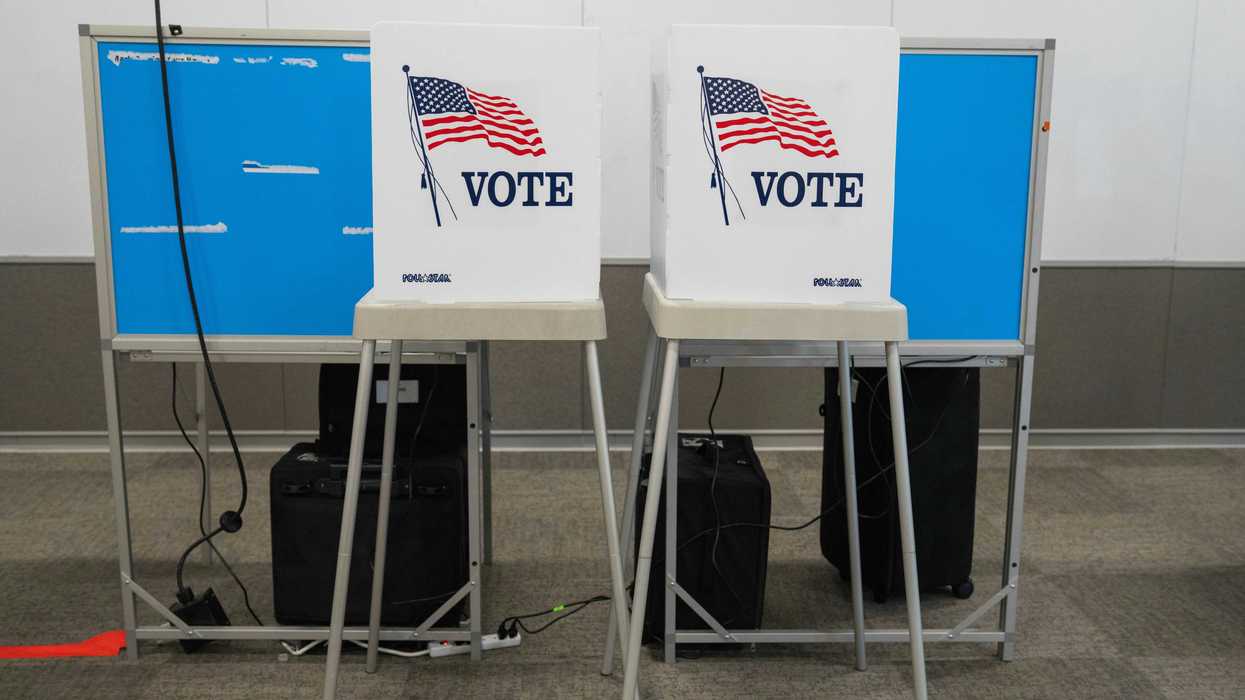
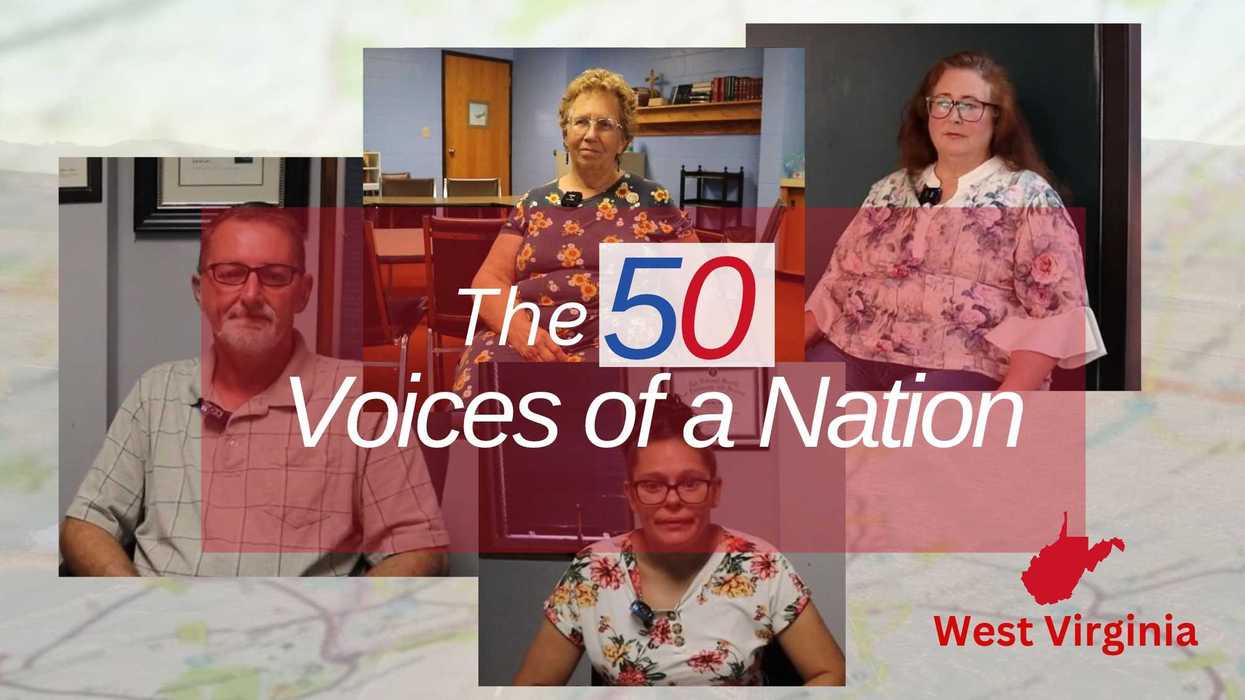
Podcast: Changing the way we vote
Podcast: Changing the way we vote

On this episode of the How Do We Fix It podcast, Rob Richie from the nonprofit advocacy group FairVote discusses constructive changes to how candidates for public office are elected in the face of gerrymandering, low voter turnout, negative campaign ads, increased polarization and other challenges.

Listen now


Read More

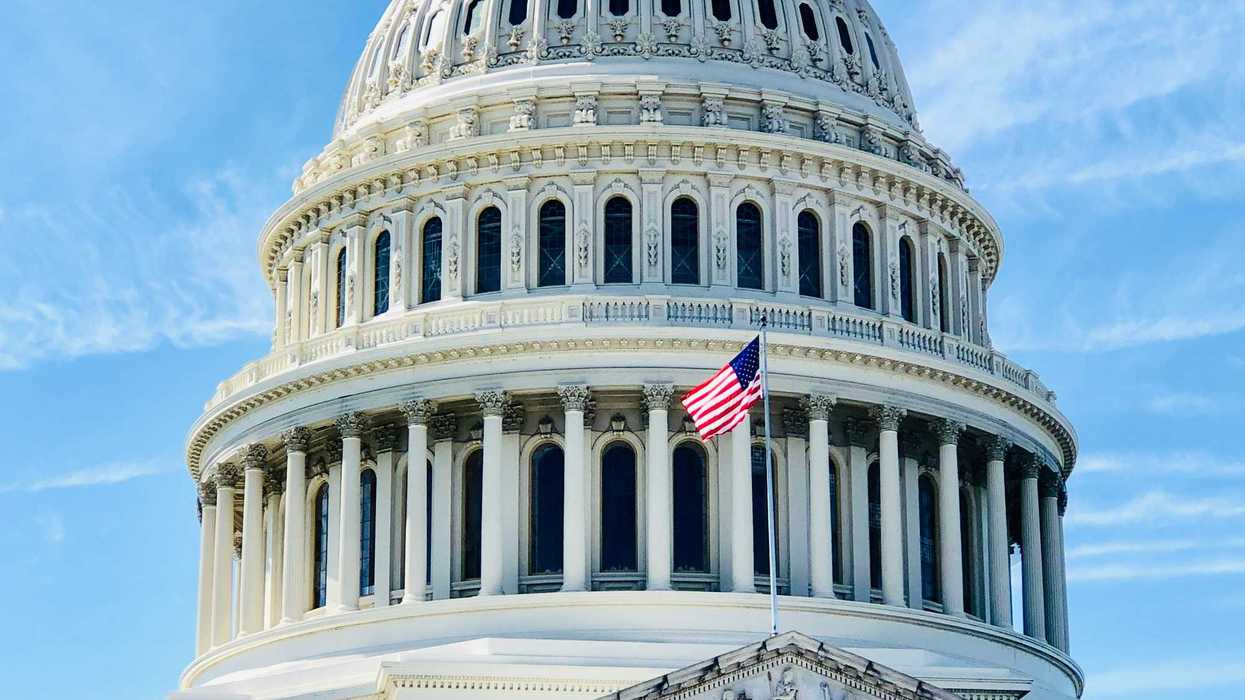
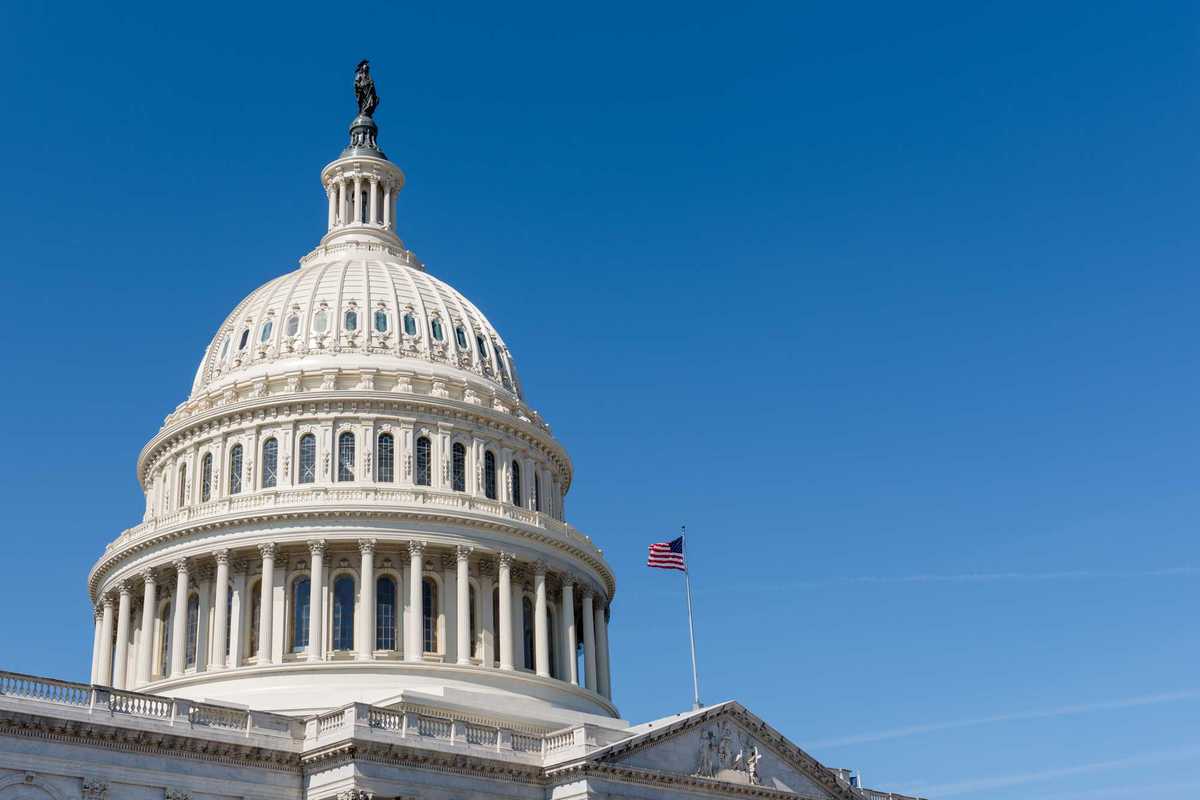
US Capitol building
white concrete dome building under blue sky during daytime

Washington Won the Election. What Did We Win?

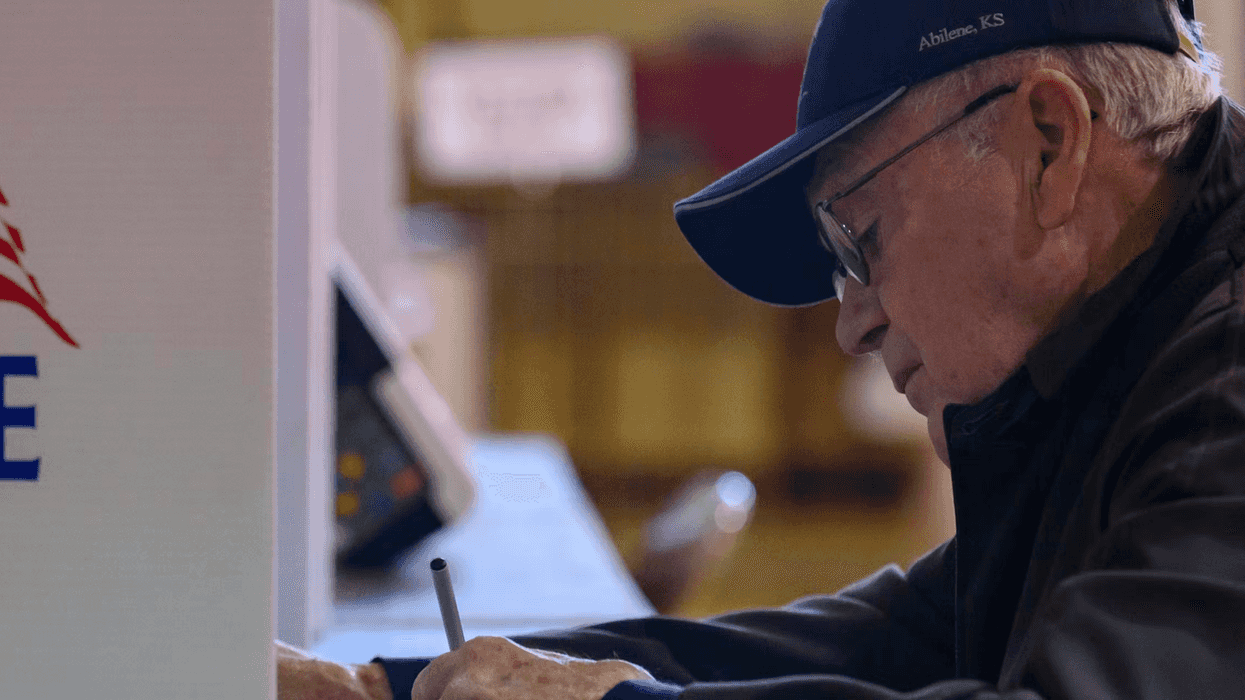
The votes have barely been counted, and Washington is already settling into the familiar rituals of victory and defeat. Republicans are maneuvering over who will lead the minority. Democrats are considering who should lead their newly won majorities. Committees will be reorganized, offices reassigned, priorities announced, and considerable attention devoted to determining which politicians will have the privilege of managing the next round of political disagreements.

These things matter to the people involved. Leadership determines who sets agendas, controls committees, and decides which legislation receives attention. But there's something annoying for the rest of us watching an institution celebrate a change in management before demonstrating the new management can accomplish anything. The American public has just participated in an enormously expensive hiring process, and much of the initial conversation concerns which employees get the corner offices.

Keep ReadingShow less
water and droplets
photo of body of water and droplets
Photo by Alex Dukhanov on Unsplash

What Can Nigerian Cities Learn From America's Rain Gardens?

In Kansas City, Missouri, an experiment in flood management began with an unusual proposition: Instead of sending all the rainwater falling on neighborhood streets into underground pipes, why not let some of it soak into the ground?

The answer took the form of rain gardens, shallow planted areas designed to collect runoff from roads, rooftops, and sidewalks. In the city's Marlborough neighborhood, they became part of a wider effort to reduce pressure on an aging sewer system that struggled during heavy rainfall.

Keep ReadingShow less